U.S. Startup Supply Chain Resilience: 2026 Strategy

Building a Resilient U.S. Startup: Mitigating Supply Chain Risks for 2026 and Beyond
In today’s rapidly evolving global economy, U.S. startups face an unprecedented array of challenges, particularly when it comes to their supply chains. From geopolitical shifts and natural disasters to economic volatility and technological disruptions, the traditional linear model of supply chain management is no longer sufficient. For startups aiming for sustained growth and market dominance, building startup supply chain resilience is not just an advantage; it’s a fundamental necessity. As we look towards 2026 and beyond, understanding and proactively mitigating these risks will define the success stories of the next generation of U.S. businesses.
The COVID-19 pandemic served as a stark reminder of how fragile global supply networks can be, exposing vulnerabilities that many companies, especially nascent ones, had not fully considered. This experience catalyzed a paradigm shift, forcing businesses to re-evaluate their operational strategies and prioritize resilience. For U.S. startups, this means moving beyond reactive problem-solving to a proactive, predictive, and adaptive approach. This comprehensive guide will delve into the critical components of fostering robust startup supply chain resilience, offering actionable strategies and insights to help your venture thrive in an unpredictable world.
The Shifting Landscape: Why Supply Chain Resilience is Paramount for U.S. Startups
The global business environment is characterized by constant change, making the concept of startup supply chain resilience more critical than ever. Several factors contribute to this heightened importance:
- Geopolitical Instability: Trade wars, sanctions, and regional conflicts can abruptly disrupt supply routes, impact raw material availability, and alter manufacturing landscapes. Startups heavily reliant on single-source international suppliers are particularly vulnerable.
- Climate Change and Natural Disasters: Extreme weather events, increasingly frequent and severe, can cripple production facilities, transportation networks, and agricultural outputs, leading to significant delays and cost increases.
- Economic Volatility: Inflation, currency fluctuations, and recessions directly affect purchasing power, production costs, and consumer demand, requiring agile supply chains that can quickly adapt to changing market conditions.
- Technological Advancements and Disruptions: While technology offers solutions, it also introduces new risks, such as cyber threats to digital supply chain platforms or the rapid obsolescence of components. Conversely, embracing technologies like AI, IoT, and blockchain can significantly enhance startup supply chain resilience.
- Consumer Expectations: Modern consumers demand faster delivery, greater transparency, and ethically sourced products. Startups must build supply chains that can meet these expectations without compromising efficiency or sustainability.
- Regulatory Changes: Evolving international and domestic regulations regarding trade, environmental standards, and labor practices can necessitate rapid adjustments to sourcing and manufacturing processes.
For U.S. startups, which often operate with leaner resources and tighter margins than established corporations, these challenges can be existential. A single major supply chain disruption can deplete capital, damage reputation, and even lead to business failure. Therefore, embedding resilience into the very fabric of their operations from the outset is not merely a best practice but a strategic imperative for long-term viability and competitive advantage.
Key Pillars of Startup Supply Chain Resilience for 2026
Achieving robust startup supply chain resilience requires a multi-faceted approach, focusing on several interconnected pillars. These aren’t just theoretical concepts but practical strategies that U.S. startups can implement to safeguard their future.
1. Diversification: The Cornerstone of Risk Mitigation
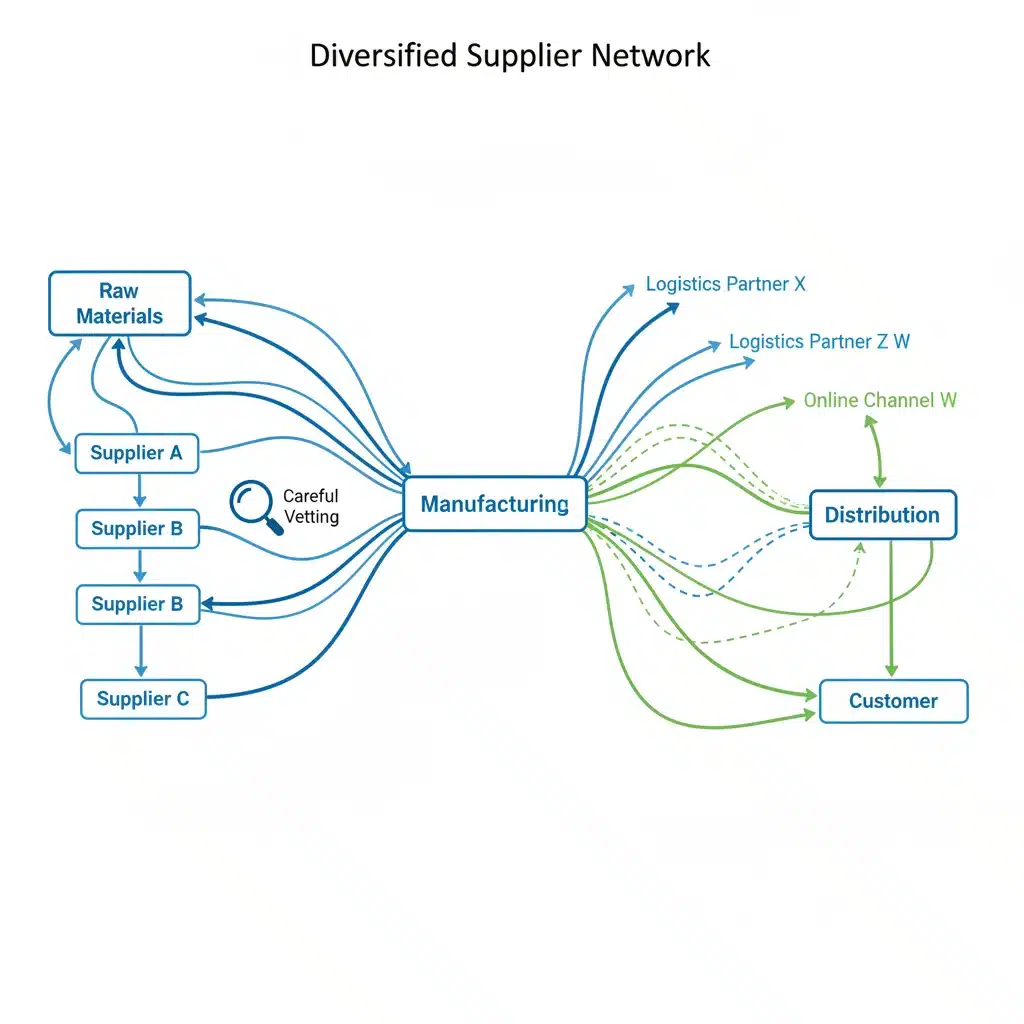
Over-reliance on a single supplier, manufacturing location, or transportation route is a primary vulnerability. Diversification is about spreading risk across multiple channels:
- Supplier Diversification: Identify and onboard multiple suppliers for critical components and raw materials, ideally from different geographic regions. This reduces dependence on any one entity and provides alternatives if a primary supplier faces issues. For U.S. startups, this might mean exploring domestic alternatives alongside international ones to reduce lead times and geopolitical exposure.
- Geographic Diversification: Beyond suppliers, consider diversifying manufacturing locations or warehousing facilities. If one region is hit by a natural disaster or political unrest, operations can shift to another. This doesn’t necessarily mean owning multiple factories but could involve partnerships with contract manufacturers in different locations.
- Logistics and Transportation Diversification: Don’t rely solely on one shipping carrier or mode of transport. Explore options like air, sea, rail, and road, and establish relationships with several logistics providers to ensure flexibility.
- Product Diversification (where applicable): While not strictly a supply chain pillar, a diversified product portfolio can buffer the impact of supply chain disruptions affecting a single product line.
Implementing diversification requires upfront investment in research, vetting, and relationship building, but the long-term benefits in terms of stability and continuity far outweigh these initial costs. For startups, starting small with dual-sourcing for critical components is a pragmatic first step.
2. Visibility and Transparency: Knowing Your Supply Chain Inside Out
You cannot manage what you cannot see. Enhanced visibility into every tier of the supply chain is crucial for identifying potential risks before they escalate. This includes:
- End-to-End Mapping: Understand every step of your supply chain, from raw material extraction to final product delivery. This often means looking beyond your direct (Tier 1) suppliers to their suppliers (Tier 2, Tier 3, etc.).
- Data Integration and Analytics: Utilize technology to collect and analyze real-time data on inventory levels, shipment statuses, production schedules, and supplier performance. Cloud-based platforms, enterprise resource planning (ERP) systems, and supply chain management (SCM) software can provide invaluable insights.
- Predictive Analytics: Move beyond reactive monitoring to predictive modeling. By analyzing historical data and current trends, startups can forecast potential disruptions, such as demand spikes, material shortages, or shipping delays, and take proactive measures.
- Supplier Collaboration Platforms: Implement systems that allow for seamless information sharing and collaboration with suppliers. This fosters stronger relationships and ensures that all parties are aware of potential issues and can work together to resolve them.
For a startup, achieving full visibility can be daunting. Start by focusing on the most critical components and suppliers, gradually expanding the scope as resources allow. Simple digital tools and clear communication protocols can lay the groundwork for better transparency and strengthen startup supply chain resilience.
3. Agility and Adaptability: The Ability to Pivot Quickly
A resilient supply chain isn’t just about withstanding shocks; it’s about the ability to adapt and pivot rapidly in response to unexpected changes. Agility in supply chain management involves:
- Flexible Production: Design manufacturing processes that can quickly switch between different product variations, adjust volumes, or even shift to alternative materials if necessary. This might involve modular designs or partnerships with flexible manufacturing facilities.
- Responsive Logistics: Establish logistics networks that can quickly re-route shipments, utilize alternative transportation modes, or adjust delivery schedules in response to disruptions.
- Scenario Planning and Stress Testing: Regularly conduct ‘what-if’ scenarios to identify potential vulnerabilities and develop contingency plans. Stress-test your supply chain against various disruption scenarios (e.g., a key supplier failing, a major port closure) to gauge its resilience and refine response strategies.
- Cross-Functional Collaboration: Foster strong communication and collaboration between different departments within the startup (e.g., product development, sales, operations, finance) to ensure a unified and rapid response to supply chain issues.
For U.S. startups, being agile often means leveraging their inherent small size and lack of legacy systems to their advantage. They can implement new technologies and processes faster than larger, more bureaucratic organizations, thus enhancing their startup supply chain resilience.
4. Inventory Management and Buffer Stock
While just-in-time (JIT) inventory can be cost-effective, it significantly reduces resilience. A balanced approach is often best:
- Strategic Buffer Stock: Maintain safety stock for critical components or finished goods, especially those with long lead times or high demand variability. The key is to identify the right balance – enough to weather short-term disruptions without incurring excessive carrying costs.
- Distributed Inventory: Instead of centralizing all inventory in one location, consider distributing it across multiple warehouses or distribution centers. This reduces the risk of a single point of failure impacting all stock.
- Vendor-Managed Inventory (VMI): Explore VMI programs where suppliers manage inventory levels at your facility. This can optimize stock levels and improve responsiveness.
- Demand Forecasting Accuracy: Invest in tools and processes to improve the accuracy of demand forecasting. Better forecasts lead to more appropriate inventory levels and reduced waste, contributing to overall startup supply chain resilience.
Startups should carefully analyze their product portfolio to determine which items warrant buffer stock and where distributed inventory makes the most sense. This isn’t about hoarding; it’s about intelligent risk management.
5. Technology Adoption and Digital Transformation
Technology is no longer a luxury but a necessity for building resilient supply chains. U.S. startups have a unique opportunity to adopt cutting-edge solutions from the ground up:
- Cloud-Based SCM and ERP Systems: These platforms provide centralized data, real-time visibility, and facilitate collaboration across the supply chain, often with scalable, subscription-based models suitable for startups.
- IoT (Internet of Things): Sensors embedded in products, containers, or vehicles can provide real-time tracking of goods, environmental conditions (temperature, humidity), and equipment status, enabling proactive intervention.
- AI and Machine Learning: AI can significantly enhance demand forecasting, optimize inventory management, identify potential disruptions, and even automate decision-making in certain supply chain processes.
- Blockchain: Offers unparalleled transparency and traceability, creating an immutable record of transactions and product movements. This can be particularly valuable for verifying ethical sourcing and combating counterfeiting.
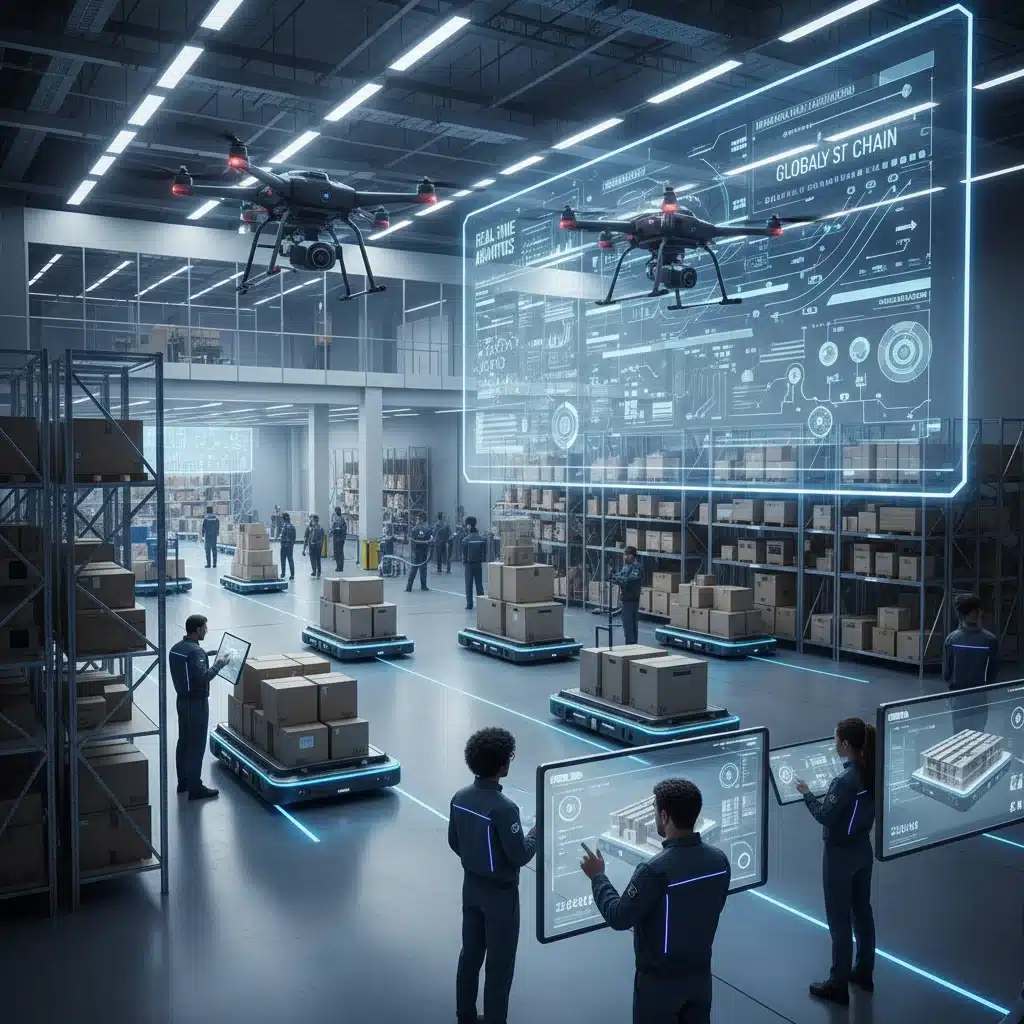
- Robotics and Automation: In warehouses and manufacturing, robotics can improve efficiency, reduce labor costs, and enhance the speed and accuracy of operations, making the supply chain more robust against labor shortages or disruptions.
While the initial investment in technology might seem substantial, the long-term benefits in terms of efficiency, risk mitigation, and enhanced startup supply chain resilience are undeniable. Startups should prioritize technologies that offer the greatest impact on their specific vulnerabilities.
6. Talent and Training: The Human Element of Resilience
Even the most advanced technological systems are only as effective as the people operating them. Investing in talent and training is crucial for startup supply chain resilience:
- Skilled Workforce: Recruit and retain individuals with expertise in supply chain management, data analytics, risk assessment, and logistics.
- Continuous Training: Provide ongoing training to keep the team updated on the latest supply chain technologies, best practices, and risk mitigation strategies.
- Cross-Training: Ensure that key roles have backup personnel who are cross-trained to step in during absences or emergencies.
- Culture of Resilience: Foster a company culture where proactive risk management, continuous improvement, and adaptability are highly valued.
For U.S. startups, building a strong, knowledgeable team is an investment that pays dividends in operational stability and the ability to navigate complex challenges effectively.
Implementing a Resilience Strategy: A Roadmap for U.S. Startups
Building startup supply chain resilience is an ongoing journey, not a one-time project. Here’s a pragmatic roadmap for U.S. startups:
- Assess Current State and Identify Critical Components: Begin by mapping your existing supply chain. Identify your most critical suppliers, components, and processes. Where are your single points of failure? What are the biggest threats to these critical elements?
- Prioritize Risks: Not all risks are equal. Use a risk assessment framework to prioritize threats based on their likelihood and potential impact on your business. Focus your initial efforts on mitigating high-impact, high-likelihood risks.
- Develop Contingency Plans: For each prioritized risk, develop clear, actionable contingency plans. What steps will you take if a key supplier fails? How will you manage a sudden surge in demand or a major shipping delay?
- Build Redundancy (Strategic Diversification): Start small. Identify one or two critical components for which you can establish a secondary supplier. Gradually expand diversification efforts as your startup grows and resources allow.
- Invest in Visibility Tools: Implement basic SCM software or even advanced spreadsheets initially to gain better insight into your inventory and order statuses. As you scale, consider more sophisticated ERP and SCM solutions.
- Foster Strong Supplier Relationships: Treat your suppliers as partners. Open communication, fair practices, and mutual trust can significantly improve their willingness to support you during disruptions.
- Regularly Review and Update: The supply chain landscape is dynamic. Your resilience strategy should be too. Conduct annual or bi-annual reviews of your plans, update them based on new risks or opportunities, and conduct drills to test their effectiveness.
- Leverage Government Resources and Industry Networks: U.S. startups can benefit from various government programs, grants, and industry associations that provide resources, guidance, and networking opportunities related to supply chain optimization and resilience.
The Future of Startup Supply Chain Resilience: 2026 and Beyond
As we approach 2026, the emphasis on startup supply chain resilience will only intensify. Future trends suggest:
- Hyper-localization and Regionalization: A move towards shorter, more localized supply chains to reduce reliance on distant international sources, driven by both resilience and sustainability concerns.
- Circular Economy Principles: Integrating recycling, reuse, and remanufacturing into supply chain design to reduce waste and reliance on virgin materials, enhancing overall resource resilience.
- AI and Autonomous Operations: Further integration of AI for predictive intelligence and autonomous systems for logistics and warehousing, leading to highly optimized and self-correcting supply chains.
- Enhanced Cybersecurity: As supply chains become more digital, cybersecurity will be paramount to protect sensitive data and prevent operational disruptions from cyberattacks.
- Sustainability as a Core Metric: Environmental, Social, and Governance (ESG) factors will become increasingly integrated into supply chain decision-making, influencing supplier selection and operational practices.
For U.S. startups, embracing these trends early can provide a significant competitive edge. By building adaptable, transparent, and diversified supply chains today, they are not just mitigating risks but also positioning themselves for sustainable growth and innovation in the years to come.
Conclusion: Building an Unshakeable Foundation
The journey of a U.S. startup is fraught with challenges, but few are as critical and potentially disruptive as supply chain vulnerabilities. By proactively focusing on startup supply chain resilience, these nascent businesses can transform potential weaknesses into sources of strength.
From strategic diversification and enhanced visibility to the intelligent adoption of technology and the cultivation of a skilled workforce, every step taken towards a more resilient supply chain contributes to the long-term viability and success of the enterprise. The landscape of 2026 and beyond demands businesses that are not just efficient but also robust, agile, and capable of weathering any storm.
For U.S. startups, this means embedding resilience into their DNA from day one. It’s about building an unshakeable foundation that can support innovation, adapt to change, and ultimately, deliver value to customers consistently, regardless of external disruptions. Embrace these strategies, and your startup will be well-equipped to navigate the complexities of the modern world and emerge stronger, more agile, and more successful.