
As U.S. entrepreneurs look towards 2026, the landscape of business continues to evolve at an unprecedented pace. The past few years have taught us invaluable lessons about the fragility of global systems and the imperative for robust business crisis preparation. From unforeseen economic shifts to technological disruptions, geopolitical tensions, and climate-related events, the potential for unexpected challenges is ever-present. For small to medium-sized businesses, in particular, the impact of a crisis can be devastating if not adequately prepared for. This comprehensive guide aims to equip U.S. entrepreneurs with the knowledge, tools, and strategies necessary to not just survive but thrive amidst the uncertainties of 2026 and beyond.
The concept of business crisis preparation is more than just having a contingency plan; it’s about fostering a culture of resilience, foresight, and adaptability within your organization. It involves a systematic approach to identifying potential threats, assessing their likelihood and impact, and developing proactive measures to mitigate risks. By investing time and resources into preparing for the unexpected, entrepreneurs can safeguard their assets, protect their reputation, and ensure the continuity of their operations, even when faced with adversity.
Understanding the Evolving Risk Landscape for U.S. Businesses in 2026
Before delving into specific strategies, it’s crucial to understand the types of risks that U.S. entrepreneurs might face in 2026. The global environment is dynamic, and new threats emerge while existing ones evolve. A thorough understanding of this landscape is the first step in effective business crisis preparation.
Economic Volatility and Market Shifts
The global economy remains interconnected, meaning economic downturns or inflationary pressures in one region can ripple across the world, directly affecting U.S. businesses. Interest rate fluctuations, consumer spending habits, and labor market dynamics are all factors that can impact profitability and growth. Entrepreneurs must monitor economic indicators closely and be prepared for sudden shifts in market demand or supply.
Cybersecurity Threats and Data Breaches
As businesses become increasingly digital, so too do the risks associated with cyberattacks. Data breaches, ransomware attacks, and phishing scams can lead to significant financial losses, reputational damage, and legal liabilities. For 2026, these threats are expected to become even more sophisticated, requiring continuous vigilance and investment in robust cybersecurity measures.
Supply Chain Disruptions
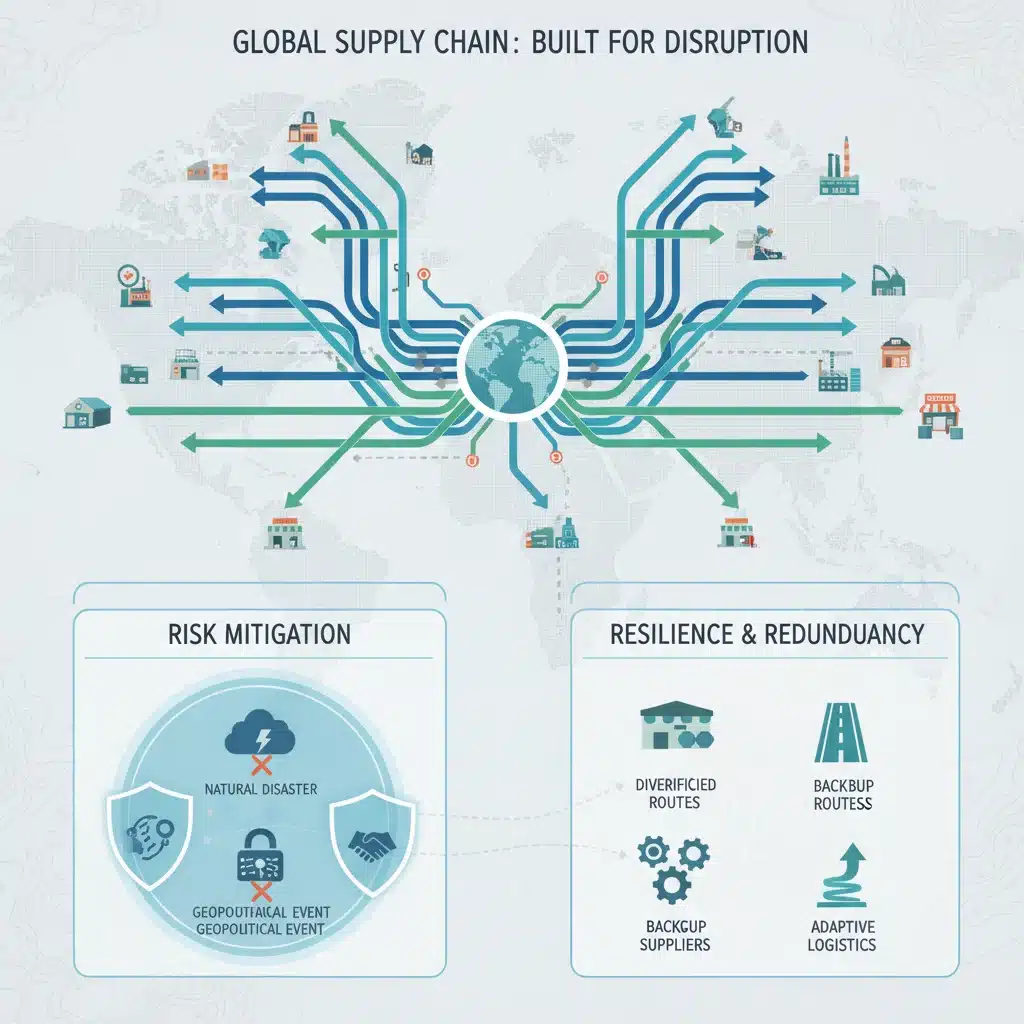
The vulnerabilities of global supply chains were starkly exposed in recent years. Geopolitical events, natural disasters, trade disputes, and even localized labor shortages can sever critical links in your supply chain, leading to production delays, increased costs, and inability to meet customer demand. Diversification and localized sourcing are becoming increasingly vital for business crisis preparation.
Climate Change and Natural Disasters
The frequency and intensity of natural disasters, from hurricanes and wildfires to floods and extreme weather events, continue to rise. These events can directly impact physical infrastructure, disrupt operations, and displace employees and customers. Businesses located in vulnerable regions must integrate climate-related risks into their crisis planning.
Geopolitical Instability and Regulatory Changes
International relations and domestic political landscapes can shift rapidly, leading to new trade policies, sanctions, or regulatory frameworks. These changes can affect import/export operations, market access, and compliance requirements, demanding agility and constant awareness from business leaders.
Talent Shortages and Workforce Dynamics
The competition for skilled talent remains fierce across many sectors. A sudden loss of key personnel or an inability to attract new talent can severely impact business operations and growth. Planning for workforce resilience, including succession planning and talent development, is a critical component of business crisis preparation.
Phase 1: Proactive Risk Assessment and Planning
The cornerstone of effective business crisis preparation is a thorough, ongoing risk assessment. This isn’t a one-time exercise but a continuous process of identifying, analyzing, and prioritizing potential threats.
Conduct a Comprehensive Risk Audit
Start by brainstorming all potential internal and external risks that could affect your business. Categorize them (e.g., financial, operational, technological, reputational, human resources, environmental). For each identified risk, assess:
- Likelihood: How probable is it that this risk will occur?
- Impact: What would be the severity of its consequences if it did occur?
- Vulnerability: How susceptible is your business to this particular risk?
Use a risk matrix to visualize and prioritize risks, focusing your efforts on high-likelihood, high-impact scenarios.
Develop a Detailed Crisis Management Plan (CMP)
A CMP is a living document that outlines the steps your business will take before, during, and after a crisis. Key components include:
- Crisis Team: Identify key individuals and their roles/responsibilities during a crisis. Include leadership, communications, legal, HR, IT, and operations representatives.
- Communication Strategy: Define internal and external communication protocols. Who will speak on behalf of the company? What channels will be used (social media, press releases, internal memos)? Prepare pre-approved statements for common scenarios.
- Emergency Procedures: Outline specific actions for different types of crises (e.g., data breach response, natural disaster evacuation, financial downturn measures).
- Business Continuity Plan (BCP): Focus on maintaining critical business functions during and immediately after a disruption. This includes data backup and recovery, alternative work locations, and essential equipment/software.
- Recovery Plan: Detail the steps to return to normal operations, including damage assessment, insurance claims, and long-term remediation strategies.
Build Financial Reserves and Diversify Revenue Streams
Financial stability is paramount during a crisis. Accumulate sufficient cash reserves to cover operational expenses for several months without revenue. Explore diversifying your revenue streams to reduce reliance on a single product, service, or customer segment. This could involve expanding into new markets, offering complementary services, or developing new products. A strong financial foundation provides a buffer against economic shocks and allows for greater flexibility in responding to crises.
Strengthen Supply Chain Resilience
Proactive business crisis preparation for supply chains involves more than just having a single backup supplier. Consider:
- Supplier Diversification: Work with multiple suppliers for critical components or services, ideally from different geographic regions.
- Inventory Management: Balance just-in-time efficiency with maintaining strategic reserves of essential goods to mitigate short-term disruptions.
- Local Sourcing: Where feasible, cultivate relationships with local suppliers to reduce reliance on long, complex international supply chains.
- Visibility and Communication: Establish strong relationships with your suppliers, fostering open communication to anticipate and respond to potential issues early.
Invest in Robust Cybersecurity Infrastructure and Training
Cybersecurity is not just an IT department’s responsibility; it’s a business imperative. Implement multi-layered security measures, including firewalls, antivirus software, intrusion detection systems, and regular security audits. Crucially, invest in ongoing employee training to recognize phishing attempts, practice strong password hygiene, and understand data protection protocols. Regular data backups, stored securely off-site, are non-negotiable for recovery after a breach.
Phase 2: Building Operational Resilience and Adaptability
Once the foundational planning is in place, the next phase of business crisis preparation focuses on building the inherent ability of your organization to withstand and recover from shocks.
Foster a Culture of Adaptability and Continuous Learning
An organization’s ability to adapt quickly is a key differentiator during a crisis. Encourage a mindset of continuous learning, experimentation, and flexibility among your employees. This means being open to new technologies, processes, and business models. Regularly review and update your strategies based on market feedback and evolving risks.
Regularly Test and Update Your Crisis Plans
A crisis plan is only as good as its last test. Conduct drills and simulations for various crisis scenarios (e.g., a data breach, a sudden loss of key personnel, a natural disaster). These exercises will reveal weaknesses in your plan, identify training gaps, and help your team practice their roles under pressure. Use the insights gained to refine and update your CMP and BCP at least annually, or whenever significant changes occur in your business or the external environment.
Cross-Train Employees and Develop Succession Plans
Reliance on a single individual for critical tasks creates a significant vulnerability. Implement cross-training programs to ensure multiple employees can perform essential functions. For key leadership roles, develop clear succession plans to ensure continuity of leadership during unexpected absences or departures.
Leverage Technology for Monitoring and Early Warning
Technology can be a powerful ally in business crisis preparation. Utilize data analytics to monitor market trends, customer behavior, and operational performance. Implement early warning systems for cybersecurity threats, supply chain disruptions, and financial anomalies. Social media monitoring tools can also help identify emerging reputational risks.
Automation for Streamlined Operations
Automating repetitive tasks can reduce human error, increase efficiency, and free up staff to focus on more strategic initiatives during a crisis. Robotic Process Automation (RPA) can be used across various functions, from customer service to financial reporting, ensuring critical operations continue with minimal disruption.
Blockchain for Supply Chain Transparency and Security
Blockchain technology offers the potential for enhanced transparency and traceability within supply chains. By creating an immutable record of transactions and movements, businesses can quickly identify the source of disruptions and verify the authenticity of goods, improving trust and efficiency.
Digital Collaboration Tools
Ensuring your team can collaborate effectively, regardless of their physical location, is vital. Invest in robust digital collaboration platforms that support video conferencing, document sharing, and project management. These tools are essential for maintaining communication and productivity during remote work scenarios or dispersed crisis teams.

The Role of Insurance in Your Crisis Preparedness Strategy
While proactive measures are essential, comprehensive insurance coverage acts as a critical safety net in your business crisis preparation strategy. It’s not a substitute for planning, but a vital component that helps mitigate financial losses.
Review and Update Your Insurance Policies
Regularly review your insurance policies to ensure they adequately cover the risks identified in your audit. This includes:
- Business Interruption Insurance: Covers lost income and operating expenses when your business is forced to close due to a covered peril.
- Property Insurance: Protects your physical assets from damage due to natural disasters, fire, or theft.
- Cyber Liability Insurance: Specifically designed to cover costs associated with data breaches, including legal fees, notification costs, and reputational damage.
- General Liability Insurance: Protects against claims of bodily injury or property damage to third parties.
- Key Person Insurance: Provides financial compensation if a critical employee becomes disabled or passes away.
Consult with an experienced insurance broker to ensure your policies are up-to-date and tailored to your specific business needs and the evolving risk landscape of 2026.
Building a Resilient Workforce: Human Capital as a Core Asset
Your employees are your most valuable asset, and their well-being and preparedness are integral to effective business crisis preparation.
Employee Well-being and Support
During a crisis, employees may face personal challenges in addition to professional ones. Implement programs that support their mental health, provide resources for stress management, and offer flexibility where possible. A supportive employer fosters loyalty and resilience within the workforce.
Clear Roles and Responsibilities
Ensure every employee understands their role in the crisis management plan, especially those on the designated crisis team. Regular training and clear communication about expectations will empower them to act decisively and effectively when a crisis strikes.
Flexible Work Arrangements
The ability to pivot to remote work or adjust schedules can be crucial during various crises, from public health emergencies to severe weather events. Invest in the technology and policies that support flexible work arrangements, ensuring business continuity while prioritizing employee safety.
Training and Development
Beyond crisis-specific training, continuous professional development helps employees adapt to new challenges and acquire new skills. A skilled and adaptable workforce is better equipped to navigate unforeseen changes and contribute to innovative solutions during difficult times.
The Entrepreneur’s Mindset: Leadership Through Adversity
Ultimately, the success of business crisis preparation hinges on the leadership of the entrepreneur. Your mindset, decisions, and ability to inspire confidence will shape your organization’s response.
Embrace Foresight and Proactivity
Don’t wait for a crisis to hit. Cultivate a proactive mindset that constantly scans the horizon for potential threats and opportunities. View crisis planning not as a burden, but as an investment in your business’s future.
Lead with Calm and Decisiveness
During a crisis, panic can be contagious. As a leader, it’s crucial to remain calm, assess the situation objectively, and make decisive choices. Your composure will reassure your team and stakeholders.
Communicate Vision and Values
In times of uncertainty, people look to their leaders for direction. Reiterate your company’s mission, vision, and values. This provides a moral compass and helps guide decisions that align with your organization’s core identity, even under pressure.
Learn from Every Experience
Every crisis, large or small, offers valuable lessons. Conduct thorough post-mortems to understand what worked, what didn’t, and how you can improve your business crisis preparation for the future. This continuous improvement loop is vital for long-term resilience.
Conclusion: Your Roadmap to Resilience in 2026
For U.S. entrepreneurs, 2026 presents both immense opportunities and potential challenges. The key to navigating this dynamic environment lies in comprehensive and ongoing business crisis preparation. By systematically assessing risks, developing robust plans, building operational resilience, fostering effective communication, and leveraging technology, you can create a business that is not only prepared for the unexpected but also capable of emerging stronger from adversity.
Remember, crisis preparation is an ongoing journey, not a destination. It requires continuous vigilance, adaptation, and a commitment to protecting your business, your employees, and your customers. By embracing these principles, U.S. entrepreneurs can confidently face the future, transforming potential threats into opportunities for growth and innovation.