Sustainable Marketing Practices: Attracting 12% More Conscious Consumers in the US by End of 2026
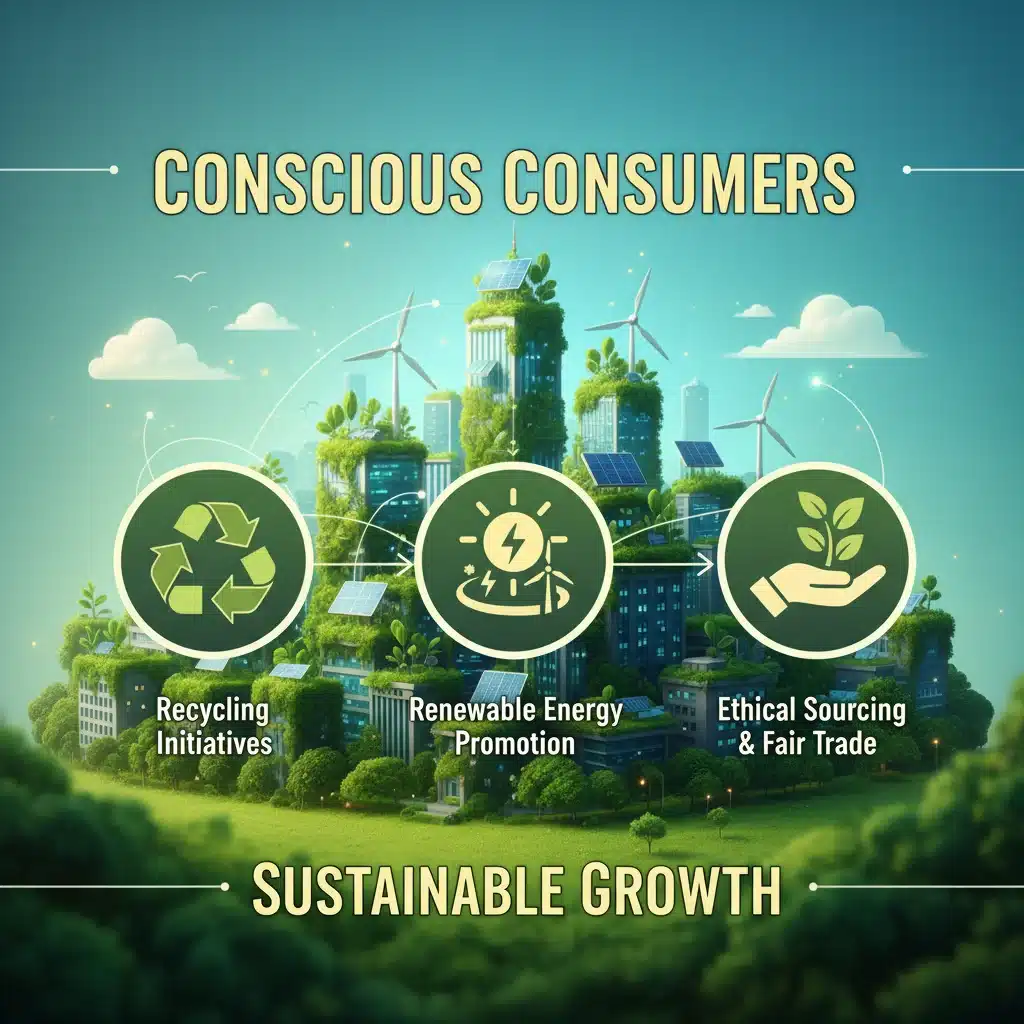
In an increasingly environmentally and socially aware world, consumers are not just buying products or services; they are buying into values. This shift has given rise to the ‘conscious consumer’ – an individual who considers the ethical, social, and environmental impact of their purchasing decisions. For businesses in the United States, understanding and embracing sustainable marketing practices is no longer optional; it’s a strategic imperative for growth and relevance. Our ambitious goal? To help businesses attract 12% more conscious consumers in the US by the end of 2026 through robust and authentic sustainable marketing practices.
The landscape of consumer expectations is evolving rapidly. A recent study by NielsenIQ found that 78% of US consumers say a sustainable lifestyle is important to them. This isn’t just a fleeting trend; it’s a fundamental change in how people interact with brands. Companies that effectively integrate sustainable marketing practices into their core operations and communications will be the ones to thrive. This comprehensive guide will delve into what sustainable marketing entails, why it’s crucial for your brand, and provide actionable strategies to implement these practices successfully.
Understanding the Conscious Consumer and Sustainable Marketing Practices
Before we dive into strategies, let’s clearly define our target and our approach. Who is the conscious consumer, and what exactly are sustainable marketing practices?
Who is the Conscious Consumer?
The conscious consumer is an individual who actively seeks out brands and products that align with their personal values, particularly concerning environmental protection, social justice, and ethical business operations. They are often willing to pay a premium for products that are sustainably sourced, ethically produced, and have a transparent supply chain. These consumers are not easily swayed by greenwashing; they demand authenticity and verifiable proof of a brand’s commitment to sustainability.
Key characteristics of conscious consumers include:
- Environmental Concern: They prioritize products with minimal ecological footprints, favoring recycled materials, reduced waste, and energy-efficient production.
- Social Responsibility: They support companies that treat their employees fairly, contribute positively to communities, and uphold human rights.
- Transparency: They value brands that are open about their sourcing, manufacturing processes, and environmental impact.
- Health and Wellness: Often, their values extend to personal well-being, leading them to choose organic, natural, and chemical-free products.
- Activism: Many conscious consumers are vocal advocates, sharing their preferences and influencing their networks through social media and word-of-mouth.
What are Sustainable Marketing Practices?
Sustainable marketing practices encompass a holistic approach where a company’s marketing efforts are designed to promote environmental and social responsibility while still meeting consumer needs and achieving business objectives. It’s about more than just selling green products; it’s about integrating sustainability into every facet of the marketing mix – product, price, place, and promotion.
This includes:
- Eco-Friendly Product Development: Designing products that are durable, recyclable, made from sustainable materials, and have a reduced environmental impact throughout their lifecycle.
- Ethical Pricing: Ensuring fair wages for workers in the supply chain and transparent pricing that reflects the true cost of sustainable production.
- Green Distribution: Optimizing logistics to reduce carbon emissions, using sustainable packaging, and supporting local economies.
- Authentic Promotion: Communicating sustainability efforts truthfully and transparently, avoiding greenwashing, and engaging consumers in meaningful dialogues about shared values.
The goal of sustainable marketing practices is to build long-term relationships with conscious consumers by demonstrating a genuine commitment to a better future, not just maximizing short-term profits.
The Business Case for Sustainable Marketing Practices
Beyond the ethical imperative, there’s a compelling business case for adopting sustainable marketing practices. The benefits extend far beyond simply attracting a niche segment of consumers.
Enhanced Brand Reputation and Loyalty
Brands perceived as sustainable and ethical enjoy a significant boost in reputation. This translates into increased trust, stronger customer loyalty, and a positive brand image that differentiates you from competitors. Conscious consumers are fiercely loyal to brands that genuinely reflect their values, often becoming advocates who spread positive word-of-mouth.
Increased Market Share and Competitive Advantage
As the number of conscious consumers grows, so does the market for sustainable products and services. By proactively adopting sustainable marketing practices, businesses can tap into this expanding market, gain a competitive edge, and future-proof their operations. Early adopters often become market leaders in their respective sustainable categories.
Cost Savings and Operational Efficiencies
Many sustainable practices inherently lead to cost savings. Reducing waste, optimizing energy consumption, streamlining supply chains, and using recyclable materials can all contribute to lower operational expenses. For example, investing in energy-efficient manufacturing processes not only reduces your carbon footprint but also lowers utility bills.
Attracting and Retaining Top Talent
Employees, particularly younger generations, are increasingly seeking employers with strong ethical and environmental commitments. Companies known for their sustainable marketing practices often find it easier to attract and retain top talent, fostering a more engaged and motivated workforce.
Investor Confidence and Access to Capital
ESG (Environmental, Social, and Governance) factors are becoming critical for investors. Companies with strong sustainable marketing practices and transparent ESG reporting are often viewed as less risky and more attractive investments, potentially leading to better access to capital and lower borrowing costs.
Meeting Regulatory Requirements and Avoiding Risks
Governments worldwide are implementing stricter environmental regulations. By adopting sustainable marketing practices proactively, businesses can ensure compliance, avoid potential fines, and mitigate reputational risks associated with environmental or social misconduct.
Key Strategies for Implementing Sustainable Marketing Practices
Now, let’s explore actionable strategies to effectively integrate sustainable marketing practices into your business operations and communications to attract that 12% increase in conscious consumers.
1. Authenticity and Transparency are Paramount
Greenwashing – the act of misleading consumers about the environmental practices of a company or the environmental benefits of a product – is a fatal error in sustainable marketing. Conscious consumers are savvy; they will see through superficial claims. Your sustainable marketing practices must be genuine and backed by verifiable actions.
- Be Honest About Your Journey: Acknowledge where you are, where you want to go, and the challenges you face. No company is perfectly sustainable, and consumers appreciate honesty.
- Provide Proof: Back up your claims with certifications (e.g., B Corp, Fair Trade, Organic), impact reports, and clear data.
- Educate Your Consumers: Explain *how* your products are sustainable and *why* your practices matter. Share stories of your supply chain and the people involved.
2. Integrate Sustainability into Your Product Lifecycle
Sustainable marketing begins long before the product reaches the consumer. It’s embedded in the entire product lifecycle.
- Sustainable Sourcing: Prioritize ethically sourced raw materials, renewable resources, and suppliers with strong environmental and social records.
- Eco-Design: Design products for durability, repairability, and recyclability. Minimize waste during production.
- Reduced Packaging: Opt for minimalist, recyclable, compostable, or reusable packaging. Eliminate single-use plastics.
- End-of-Life Solutions: Offer take-back programs, recycling initiatives, or guidance on how consumers can responsibly dispose of or repurpose your products.

3. Communicate Your Story Effectively and Authentically
How you communicate your sustainable marketing practices is as important as the practices themselves. Focus on storytelling that resonates with conscious consumers.
- Highlight Impact, Not Just Features: Instead of just saying your product is ‘eco-friendly,’ explain the positive impact it has – e.g., ‘saved X liters of water,’ ‘supported Y fair-wage jobs,’ ‘reduced Z tons of carbon emissions.’
- Use Multiple Channels: Share your sustainability story on your website, social media, product packaging, and in your advertising.
- Engage in Dialogue: Create platforms for consumers to ask questions, provide feedback, and participate in your sustainability journey.
- Partner with Influencers: Collaborate with authentic sustainability influencers who align with your brand values.
4. Empower Your Employees and Foster a Culture of Sustainability
Your employees are your greatest advocates. Involving them in your sustainable marketing practices can amplify your message and strengthen your commitment.
- Internal Education: Train employees on your sustainability goals and practices.
- Employee Engagement: Encourage employee-led initiatives, volunteer programs, and ideas for improving sustainability within the company.
- Lead by Example: Ensure your internal operations reflect your external sustainable marketing claims (e.g., energy-efficient offices, recycling programs, sustainable catering).
5. Measure, Report, and Improve Your Impact
To truly achieve a 12% increase in conscious consumers, you need to track your progress and continuously improve your sustainable marketing practices.
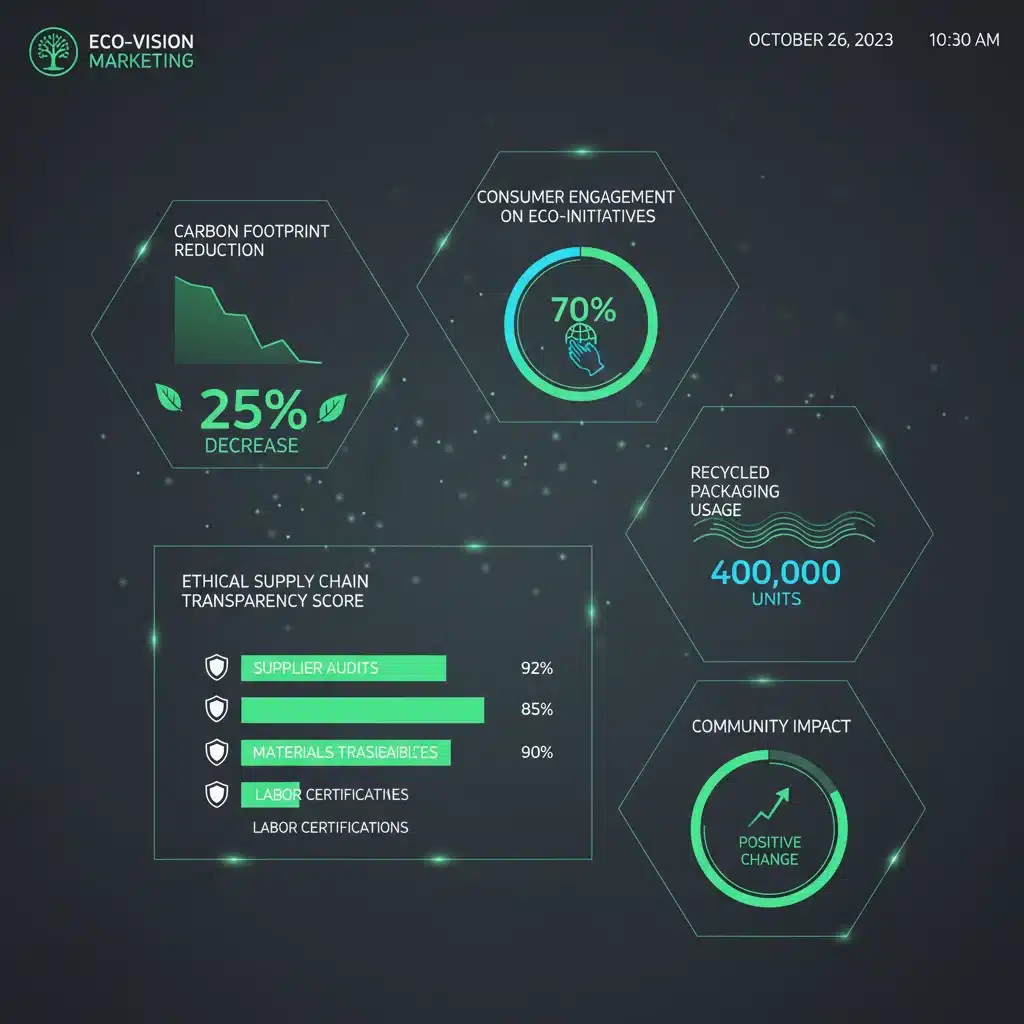
- Set Clear KPIs: Define measurable goals related to environmental impact (e.g., carbon footprint reduction, waste diversion), social impact (e.g., fair wage adherence, community investment), and consumer engagement.
- Regular Reporting: Publish annual sustainability reports detailing your progress, challenges, and future plans.
- Seek Certifications: Obtain third-party certifications that validate your sustainability claims.
- Listen to Feedback: Actively solicit and respond to consumer feedback regarding your sustainability efforts.
Overcoming Challenges in Sustainable Marketing
While the benefits are clear, implementing sustainable marketing practices isn’t without its hurdles. Businesses may encounter challenges such as higher initial costs for sustainable materials or processes, the complexity of supply chain transparency, and the need to educate consumers.
- Addressing Cost Perceptions: Clearly communicate the long-term value and benefits of sustainable products, justifying any price differences. Emphasize durability, health benefits, and positive impact.
- Navigating Supply Chain Complexity: Invest in supply chain mapping and collaborate closely with suppliers to ensure ethical and sustainable practices. Technology like blockchain can enhance transparency.
- Combating Greenwashing: Focus on verifiable data, certifications, and authentic storytelling. Avoid vague claims and always be prepared to back up your statements with evidence.
- Educating Consumers: Use clear, concise language to explain complex sustainability concepts. Utilize infographics, videos, and interactive content to make information accessible and engaging.
By proactively addressing these challenges, businesses can build stronger, more resilient sustainable marketing practices that resonate deeply with conscious consumers.
Case Studies: Brands Excelling in Sustainable Marketing Practices
Learning from leaders can provide invaluable insights. Here are a few examples of brands that have successfully integrated sustainable marketing practices:
- Patagonia: A pioneer in sustainable business, Patagonia’s ‘Worn Wear’ program encourages customers to repair and reuse their clothing, directly challenging the fast fashion model. Their marketing consistently highlights their environmental activism and transparent supply chain.
- TOMS: Known for its ‘One for One’ model, TOMS donates a pair of shoes for every pair sold. While evolving, their core message of social impact has resonated deeply with conscious consumers, demonstrating a clear link between purchase and positive change.
- Seventh Generation: A household name in eco-friendly cleaning products, Seventh Generation’s marketing is built on transparency, ingredient disclosure, and a commitment to protecting the environment and human health. They actively advocate for policy changes that support sustainability.
- Allbirds: This footwear brand focuses on using sustainable materials like merino wool, eucalyptus tree fiber, and sugarcane in their shoes. Their marketing emphasizes comfort, style, and their minimal environmental footprint, appealing to consumers looking for both performance and purpose.
These brands exemplify how authentic commitment to sustainable marketing practices can build strong brand loyalty and drive significant growth by appealing to the values of conscious consumers.
The Future of Sustainable Marketing in the US
The trajectory for sustainable marketing practices in the US is upward. We anticipate continued growth in conscious consumerism, driven by increasing awareness of climate change, social inequalities, and a desire for healthier lifestyles. Technology will play a crucial role in enhancing transparency, from blockchain tracking of supply chains to AI-powered impact measurement tools.
Brands that fail to adapt their marketing strategies to incorporate genuine sustainable practices risk being left behind. Conversely, those that embrace this shift will not only meet the demands of the conscious consumer but also contribute to a more sustainable and equitable future. Our goal of attracting 12% more conscious consumers in the US by the end of 2026 is ambitious but entirely achievable for businesses committed to authentic, impactful sustainable marketing practices.
Conclusion: Embracing Sustainable Marketing for a Brighter Future
The journey towards attracting a larger share of conscious consumers through sustainable marketing practices is a continuous one, requiring dedication, transparency, and innovation. It’s about more than just selling; it’s about building a brand that stands for something meaningful, a brand that contributes positively to the world.
By implementing the strategies outlined in this guide – focusing on authenticity, integrating sustainability throughout your product lifecycle, communicating effectively, empowering your team, and consistently measuring your impact – your business can not only achieve its growth targets but also solidify its position as a responsible and respected leader in the marketplace. The conscious consumer market is growing, and with robust sustainable marketing practices, your brand can be at the forefront of this transformative movement, reaching new heights of success by the end of 2026 and beyond.