DMPs Evolving: Precision Audience Segmentation for 2026 Campaigns

The Evolution of DMPs: Achieving 20% More Precise Audience Segmentation for Campaigns in 2026
In the dynamic realm of digital marketing, the pursuit of precision and personalization is relentless. Marketers are constantly seeking innovative ways to connect with their target audiences on a deeper, more meaningful level. At the heart of this quest lies the Data Management Platform (DMP), a technology that has been instrumental in aggregating, organizing, and activating audience data for years. However, the landscape is shifting dramatically, propelled by evolving privacy regulations, technological advancements, and an ever-increasing demand for granular insights. The focus is no longer just on collecting data, but on extracting actionable intelligence that can drive truly impactful campaigns. This article delves into the profound evolution of DMPs, exploring how they are transforming to achieve an ambitious goal: 20% more precise audience segmentation for campaigns by 2026. This isn’t merely an incremental improvement; it signifies a fundamental paradigm shift in how brands understand, reach, and engage with their customers.
The journey of DMPs has been marked by continuous innovation, adapting to the complexities of the digital ecosystem. From their initial role as cookie-based data aggregators, DMPs are now evolving into sophisticated intelligence hubs, integrating with a broader array of data sources and leveraging advanced analytical capabilities. The imperative for this evolution is clear: in an increasingly competitive market, generic targeting simply doesn’t cut it. Consumers expect personalized experiences, and brands that fail to deliver risk losing out. The promise of 20% more precise audience segmentation by 2026 is not an arbitrary number; it reflects the strategic necessity for marketers to refine their targeting strategies, reduce wasted ad spend, and significantly boost campaign effectiveness. This level of precision requires a nuanced understanding of audience behaviors, preferences, and intentions, transcending basic demographic data to embrace psychographic and behavioral insights.
Understanding the current state of DMPs is crucial to appreciating their future trajectory. Historically, DMPs excelled at managing third-party data, allowing advertisers to reach broad segments of users across various platforms. They provided a centralized platform for data collection, segmentation, and activation, enabling marketers to execute programmatic advertising with a degree of efficiency. However, limitations began to emerge. The reliance on third-party cookies, for instance, became a significant challenge with increasing privacy concerns and browser restrictions. Furthermore, traditional DMPs often struggled with the integration of first-party data at a truly deep level, leading to a fragmented view of the customer. The focus was often on scale rather than the depth of individual understanding. This foundational understanding sets the stage for the transformative changes we are now witnessing in the world of DMP Evolution 2026, where the emphasis shifts from broad strokes to intricate details.
The Impetus for Change: Why DMPs Must Evolve
Several critical factors are driving the rapid evolution of DMPs. Foremost among these is the escalating privacy landscape. Regulations like GDPR, CCPA, and similar frameworks worldwide have fundamentally altered how data can be collected, stored, and utilized. The impending deprecation of third-party cookies by major browsers further accelerates this shift, forcing marketers to rethink their data strategies. This isn’t just a regulatory hurdle; it’s an opportunity to build trust with consumers by prioritizing privacy-centric approaches. DMPs must adapt by developing robust first-party data strategies, embracing consent management platforms, and exploring privacy-enhancing technologies.
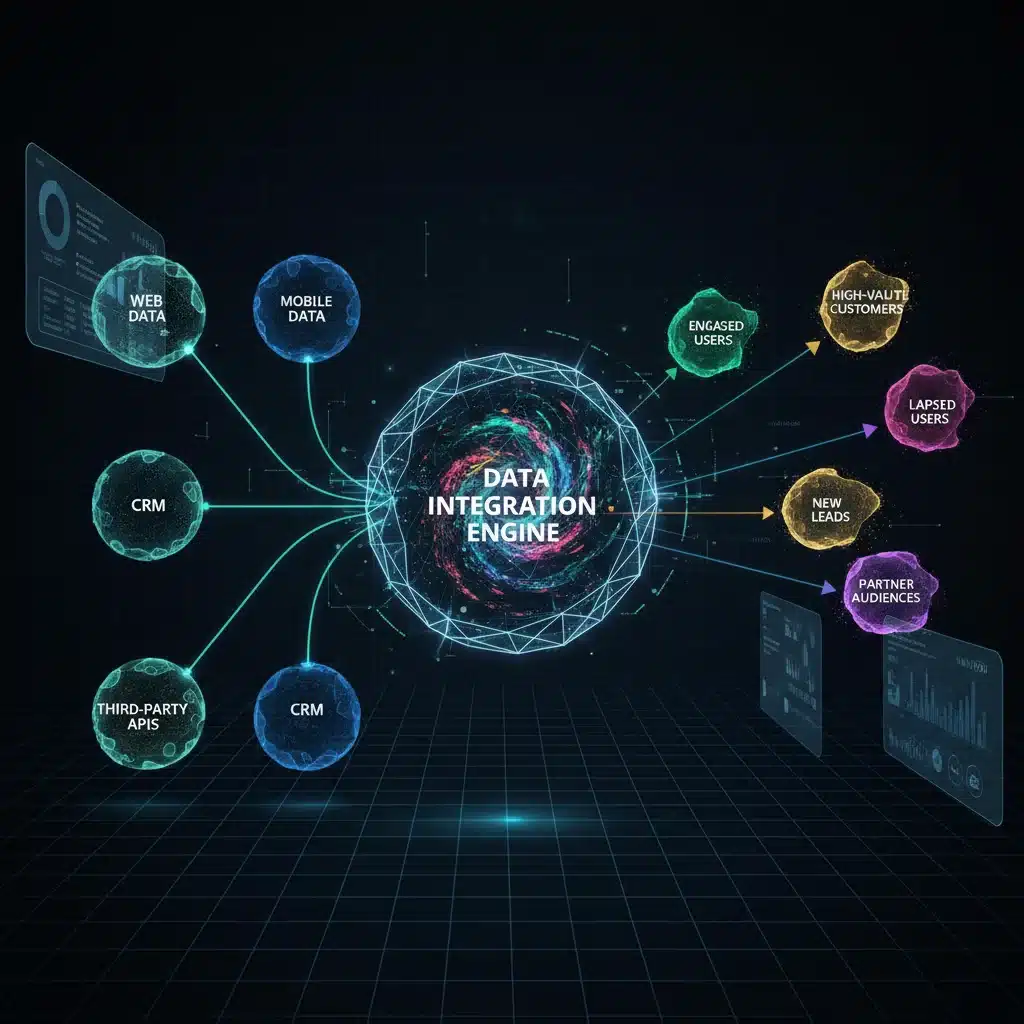
Another significant driver is the sheer volume and diversity of data. Consumers interact with brands across numerous touchpoints – websites, mobile apps, social media, connected TV, physical stores, and more. Each interaction generates valuable data, but integrating and harmonizing this disparate information remains a complex challenge. Modern DMPs need to be capable of ingesting, processing, and unifying data from a multitude of sources, creating a holistic and dynamic customer profile. This unified view is essential for achieving the targeted 20% increase in audience segmentation precision. Without a comprehensive understanding of each customer’s journey, segmentation remains superficial.
The demand for real-time personalization is also pushing the boundaries of DMP capabilities. Consumers expect experiences that are tailored to their immediate needs and preferences, not just based on past behaviors. This requires DMPs to process data in real-time, enabling instantaneous segmentation and activation of personalized messages. The latency inherent in older DMP architectures is no longer acceptable. The future of DMPs lies in their ability to deliver hyper-relevant content and offers at the exact moment of intent, creating truly impactful engagements. This real-time capability is a cornerstone of the DMP Evolution 2026, allowing for dynamic adjustments to campaigns.
Key Pillars of DMP Evolution 2026
1. First-Party Data Centralization and Enrichment
The move away from third-party cookies places first-party data at the forefront of marketing strategies. Future DMPs will be heavily focused on centralizing and enriching an organization’s own customer data. This includes data from CRM systems, transactional data, website analytics, mobile app usage, and customer service interactions. The goal is to build comprehensive and persistent customer profiles that are not reliant on external identifiers. This shift ensures greater control over data, enhances data quality, and fosters deeper customer relationships built on trust. Enrichment will involve combining this first-party data with consented second-party data (from strategic partners) and carefully selected, privacy-compliant third-party data to gain a richer understanding of customer attributes and behaviors.
2. AI and Machine Learning for Advanced Segmentation
Achieving 20% more precise audience segmentation is inconceivable without the power of Artificial Intelligence (AI) and Machine Learning (ML). These technologies are becoming integral to DMP operations, enabling marketers to move beyond rule-based segmentation to predictive and prescriptive analytics. AI algorithms can identify subtle patterns and correlations in vast datasets that human analysts might miss, leading to the discovery of highly nuanced audience segments. ML models can predict future behaviors, identify customers at risk of churn, or pinpoint those most likely to convert. This allows for proactive targeting and dynamic campaign adjustments, significantly enhancing precision. AI-powered DMPs will automate the process of segment discovery, optimize segment sizes, and even suggest the most effective creative and messaging for each segment. This is a crucial differentiator in DMP Evolution 2026, moving beyond simple demographics.
3. Identity Resolution Across Channels
In a fragmented digital world, customers interact with brands across multiple devices and platforms. A key challenge for achieving precise segmentation is identity resolution – the ability to accurately identify a single customer across all their touchpoints. Next-generation DMPs will incorporate advanced identity resolution capabilities, leveraging a combination of deterministic and probabilistic matching techniques. Deterministic matching relies on known identifiers (like logged-in user IDs), while probabilistic matching uses algorithms to infer identity based on various data points (e.g., IP address, device type, browser fingerprint). The goal is to create a unified customer ID that provides a consistent view of the customer, regardless of how or where they interact with the brand. This unified view is foundational for truly personalized experiences and highly precise targeting.
4. Enhanced Integration with the MarTech Stack
The modern marketing technology (MarTech) stack is increasingly complex, with specialized tools for CRM, email marketing, content management, advertising, and analytics. Future DMPs will not operate in isolation but will be deeply integrated with the broader MarTech ecosystem. Seamless integration allows for the smooth flow of data between systems, ensuring that audience segments created in the DMP can be easily activated across various channels and platforms. This includes integrating with Customer Data Platforms (CDPs) for a more robust first-party data foundation, advertising platforms for efficient campaign execution, and analytics tools for comprehensive performance measurement. The interoperability of DMPs within the MarTech stack is crucial for maximizing their value and achieving holistic customer engagement, a cornerstone of DMP Evolution 2026.
5. Privacy-Centric Design and Ethical Data Use
As privacy concerns continue to mount, DMPs must be built with privacy by design principles at their core. This means incorporating features that ensure data minimization, consent management, data anonymization, and secure data handling from the outset. Ethical data use is no longer just a legal requirement but a brand imperative. DMPs will need to provide robust tools for managing user consent, allowing individuals to control how their data is used. Furthermore, transparency in data practices will be paramount. Brands that demonstrate a strong commitment to privacy will build greater trust with their customers, leading to more willing data sharing and ultimately, more effective personalization. This ethical framework is non-negotiable for the future of DMPs.
Strategies for Leveraging Evolved DMPs for 20% More Precision
To truly capitalize on the advancements in DMPs and achieve the targeted 20% increase in segmentation precision, marketers need to adopt strategic approaches:
1. Invest in a Robust First-Party Data Strategy
The foundation of future precision lies in high-quality first-party data. Organizations must prioritize strategies for collecting, organizing, and enriching their own customer data. This involves optimizing website and app experiences to encourage opt-ins, implementing clear consent management processes, and integrating data from all customer touchpoints into a centralized repository. A comprehensive first-party data strategy will reduce reliance on third-party data and provide a more accurate and reliable view of the customer, directly contributing to the goals of DMP Evolution 2026.
2. Embrace AI-Powered Predictive Analytics
Moving beyond descriptive analytics, marketers should leverage AI and ML capabilities within DMPs to predict future customer behaviors. This includes identifying high-value segments, predicting churn risk, forecasting purchase intent, and optimizing customer lifetime value. Predictive analytics allows for proactive targeting and personalized interventions, ensuring that campaigns are not just reactive but anticipate customer needs. This level of foresight is critical for achieving significant gains in segmentation precision.
3. Implement Dynamic Segmentation and Real-Time Activation
Static audience segments are becoming obsolete. Evolved DMPs enable dynamic segmentation, where customer profiles and segments are updated in real-time based on their latest interactions and behaviors. This allows for immediate activation of personalized messages and offers. For example, if a customer browses a specific product category, they can be instantly added to a segment for that category and served relevant ads or content. Real-time activation ensures that marketing messages are always timely and contextually relevant, driving higher engagement and conversion rates.
4. Foster a Culture of Data Governance and Ethics
With increased access to granular customer data comes a greater responsibility. Organizations must establish strong data governance policies and foster a culture of ethical data use. This includes clear guidelines for data collection, storage, access, and usage, as well as regular audits to ensure compliance with privacy regulations. Building and maintaining customer trust is paramount, and a strong ethical framework around data management will be a key differentiator for brands. This commitment to ethics underpins the success of DMP Evolution 2026.
5. Integrate DMPs with CDPs for a Unified Customer View
While DMPs traditionally focused on anonymous audience data for advertising, Customer Data Platforms (CDPs) excel at unifying known customer data from various sources to create a persistent, comprehensive customer profile. The most effective strategy for 2026 will involve a synergistic integration of DMPs and CDPs. CDPs can feed rich, first-party customer profiles into DMPs, which can then be used to create highly precise segments for advertising and personalization across various channels. This combination offers the best of both worlds: deep customer understanding and broad reach for activation.
Challenges and Considerations for DMP Evolution
While the future of DMPs holds immense promise, there are several challenges and considerations that organizations must address.
1. Data Quality and Consistency
The adage ‘garbage in, garbage out’ remains highly relevant. The effectiveness of evolved DMPs hinges on the quality and consistency of the data they ingest. Organizations must invest in data hygiene practices, ensuring data accuracy, completeness, and standardization across all sources. Poor data quality can lead to flawed segments and ineffective campaigns, undermining the entire effort to achieve greater precision.
2. Talent and Expertise Gap
Leveraging advanced DMPs, especially those incorporating AI and ML, requires specialized skills in data science, analytics, and marketing technology. Many organizations face a talent gap in these areas. Investing in training existing staff, hiring new expertise, or partnering with specialized agencies will be crucial for maximizing the potential of these platforms. The complexity of DMP Evolution 2026 demands a highly skilled workforce.

3. Vendor Lock-in and Interoperability
As DMPs become more sophisticated and integrated, there’s a risk of vendor lock-in. Organizations need to carefully evaluate potential platforms, ensuring they offer open APIs and robust integration capabilities with their existing MarTech stack. Interoperability is key to building a flexible and future-proof marketing ecosystem that can adapt to changing technologies and business needs.
4. Measuring ROI of Increased Precision
While the goal of 20% more precise audience segmentation is compelling, organizations need clear methodologies to measure the return on investment (ROI) of this increased precision. This involves establishing clear KPIs, conducting A/B testing, and attributing campaign performance to specific segmentation strategies. Demonstrating tangible business outcomes will be essential for securing continued investment in DMP evolution.
The Future is Hyper-Personalized: Beyond 2026
The advancements in DMPs leading up to 2026 are not an endpoint but a stepping stone towards an even more hyper-personalized future. Beyond achieving 20% more precise audience segmentation, we can anticipate further innovations:
- Contextual Intelligence: DMPs will integrate more deeply with real-time contextual data, such as weather, local events, and immediate user environment, to deliver even more relevant messages.
- Predictive Creative Optimization: AI will not only help segment audiences but also optimize creative assets and messaging in real-time for each individual, based on their predicted response.
- Decentralized Identity Solutions: With increasing emphasis on user control, DMPs may integrate with decentralized identity solutions, giving individuals more direct ownership and control over their data.
- Ethical AI and Explainable AI: As AI becomes more prevalent, there will be a greater focus on ethical AI frameworks and ‘explainable AI’ (XAI), ensuring transparency and fairness in automated decision-making.
The journey of DMP Evolution 2026 is about more than just technology; it’s about fundamentally rethinking how brands connect with people. It’s about moving from mass marketing to truly individualized experiences, respecting privacy while delivering unparalleled value. The 20% increase in precision is a tangible target that will drive significant improvements in campaign effectiveness, customer satisfaction, and ultimately, business growth. Brands that embrace this evolution, invest in the right technologies, and cultivate a data-driven culture will be well-positioned to thrive in the hyper-personalized marketing landscape of tomorrow.
The transformation of Data Management Platforms is not merely an upgrade; it’s a strategic imperative for any organization aiming to stay competitive in the digital age. By focusing on first-party data, harnessing the power of AI, ensuring robust identity resolution, and prioritizing privacy, DMPs are poised to deliver unprecedented levels of audience segmentation precision. The goal of 20% more precise audience segmentation by 2026 is ambitious but achievable, marking a new era of intelligent, personalized, and highly effective marketing campaigns. This ongoing evolution will redefine customer engagement and set new benchmarks for marketing success, making DMP Evolution 2026 a critical topic for all marketing professionals.