U.S. Marketing Privacy: Adapting Strategies for 2026 Regulations

Navigating the New Privacy Landscape: Essential Marketing Strategy Adjustments for U.S. Businesses in 2026
The digital marketing world is in a constant state of flux, driven by technological advancements and, increasingly, by evolving consumer expectations and regulatory mandates. For U.S. businesses, the year 2026 is shaping up to be a pivotal moment, ushering in a new era of marketing privacy changes that will fundamentally reshape how data is collected, processed, and utilized for promotional activities. This isn’t merely about compliance; it’s about building and maintaining consumer trust, fostering ethical business practices, and ultimately, ensuring sustainable growth in an increasingly privacy-conscious market.
The shift towards greater data privacy is not a sudden phenomenon but rather the culmination of years of public discourse, high-profile data breaches, and a growing understanding of the power and responsibility associated with personal information. While Europe’s GDPR set an early precedent, the U.S. has seen a patchwork of state-level regulations emerge, such as CCPA in California and similar laws in Virginia, Colorado, and Utah. However, the anticipated regulations by 2026 suggest a more unified, or at least more impactful, framework that will necessitate a comprehensive re-evaluation of current marketing strategies across the nation.
This comprehensive guide aims to equip U.S. businesses with the knowledge and actionable insights needed to proactively prepare for these impending marketing privacy changes. We’ll delve into the potential scope of these regulations, explore their implications for various marketing functions, and outline strategic adjustments that will not only ensure compliance but also foster stronger, more transparent relationships with your customer base. The time to adapt is now, transforming potential challenges into opportunities for innovation and competitive advantage.
Understanding the Evolving U.S. Privacy Landscape by 2026
Before diving into specific marketing adjustments, it’s crucial to grasp the trajectory of U.S. data privacy legislation. While a single, overarching federal privacy law akin to GDPR has yet to materialize, the trend is undeniably towards stricter controls and greater consumer rights. By 2026, we can anticipate a landscape characterized by:
- Expanded Consumer Rights: Expect broader rights for consumers to access, correct, delete, and opt-out of the sale or sharing of their personal data. This includes more granular control over targeted advertising and data profiling.
- Increased Transparency Requirements: Businesses will likely face more stringent requirements to clearly inform consumers about what data is collected, why it’s collected, and with whom it’s shared. Vague privacy policies will no longer suffice.
- Stricter Consent Mechanisms: The days of implied consent or pre-checked boxes are rapidly fading. Explicit, unambiguous consent for specific data uses, particularly for sensitive personal information or cross-context behavioral advertising, will become the norm.
- Data Minimization Principles: A core tenet of privacy-by-design, businesses will be encouraged, and potentially mandated, to collect only the data absolutely necessary for a stated purpose, and to retain it only for as long as required.
- Enhanced Enforcement and Penalties: Non-compliance will carry significant financial and reputational risks. Regulatory bodies, both state and potentially federal, will likely have greater authority and resources to investigate and penalize violations.
- Focus on Sensitive Data: Special protections for sensitive data categories (e.g., health information, precise geolocation, racial or ethnic origin, sexual orientation) are likely to be a key feature, requiring even more explicit consent and robust security measures.
These anticipated marketing privacy changes are not just legal hurdles; they represent a fundamental shift in the social contract between businesses and consumers. Marketers who embrace this shift will be better positioned to build lasting relationships based on trust and respect for individual privacy.
Impact on Core Marketing Functions: A Deep Dive
The ripple effect of these marketing privacy changes will be felt across every facet of your marketing operations. Let’s break down the key areas that demand immediate attention:
1. Data Collection and Management
This is arguably the most critical area of impact. The traditional approach of collecting as much data as possible, just in case it might be useful later, is no longer viable. Businesses must adopt a ‘privacy-by-design’ and ‘privacy-by-default’ mindset.
- Audit Your Data: Conduct a thorough audit of all data you currently collect, store, and process. Identify what data is personal, where it comes from, how it’s used, and who has access to it.
- Re-evaluate Consent Mechanisms: Implement clear, unambiguous opt-in mechanisms for data collection. For different types of data use (e.g., email newsletters, personalized ads, third-party sharing), offer separate consent options. Make it as easy to withdraw consent as it is to give it.
- Data Minimization: Challenge every data point you collect. Is it truly necessary for the stated purpose? If not, stop collecting it. This reduces your risk profile and operational overhead.
- Secure Data Storage: Invest in robust data security infrastructure and protocols. Encryption, access controls, and regular security audits are non-negotiable.
- Data Subject Access Requests (DSARs): Establish clear, efficient processes for handling consumer requests to access, correct, or delete their data. This will become a standard operational requirement.
2. Targeted Advertising and Personalization
The bedrock of modern digital marketing – targeted advertising – will undergo significant transformation. The reliance on third-party cookies is already diminishing, and future regulations will further restrict cross-site tracking and profiling without explicit consent. 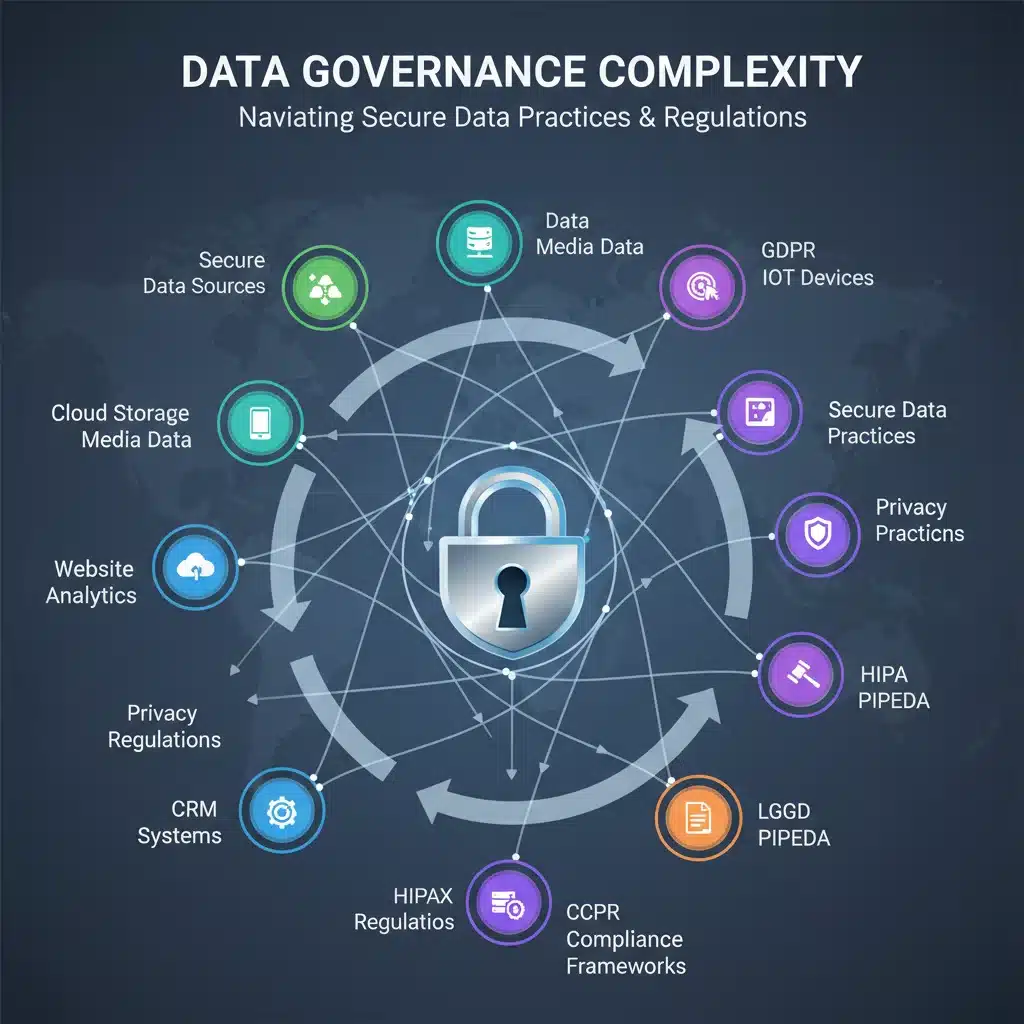
- First-Party Data Strategy: Shift your focus dramatically towards collecting and leveraging first-party data (data you collect directly from your customers with their consent). This includes website analytics, CRM data, purchase history, and direct customer interactions.
- Contextual Advertising: Explore and invest in contextual advertising, where ads are placed based on the content of the webpage, rather than the user’s personal profile. This is a privacy-friendly alternative to behavioral targeting.
- Consent-Based Personalization: Any personalization efforts must be explicitly consented to by the user. This means transparently explaining the benefits of personalization and allowing users to opt-in.
- Privacy-Enhancing Technologies (PETs): Investigate and adopt PETs such as federated learning or differential privacy, which allow for insights to be derived from data without revealing individual identities.
- Alternative Measurement: Develop new methods for campaign measurement and attribution that do not rely on individual-level, cross-site tracking. This might involve aggregated data analysis, incrementality testing, and media mix modeling.
3. Email Marketing and CRM
Email marketing, often considered a highly effective channel, will also be subject to stricter consent rules and data management practices.
- Double Opt-in: Implement double opt-in for all email subscriptions to ensure explicit consent and reduce spam complaints.
- Granular Preferences: Allow subscribers to manage their communication preferences with greater detail (e.g., type of content, frequency of emails).
- Clear Unsubscribe Options: Make the unsubscribe process simple and immediate.
- Regular List Hygiene: Periodically clean your email lists to remove inactive or unengaged subscribers, reducing data retention risks and improving deliverability.
- CRM Data Integrity: Ensure your CRM system is compliant with privacy regulations, offering robust access controls, audit trails, and mechanisms for data deletion and correction.
4. Content Marketing and SEO
While seemingly less directly impacted by data privacy laws, content marketing and SEO play a crucial role in building trust and attracting audiences without relying on intrusive data collection.
- Privacy-Focused Content: Create content that educates your audience about your commitment to privacy and how you handle their data responsibly. This builds trust and positions you as a transparent brand.
- Value-Driven Content: Focus on providing genuine value through your content, attracting organic traffic and engagement rather than relying solely on targeted ads.
- Ethical SEO Practices: Continue to adhere to white-hat SEO practices, focusing on user experience, high-quality content, and technical optimization, which naturally align with a privacy-first approach.
- First-Party Data for Content Personalization: Use your consented first-party data to tailor content recommendations and experiences on your own platforms, enhancing user engagement without third-party tracking.
5. Social Media Marketing
Social media platforms are also under increasing scrutiny regarding data privacy. Businesses must be mindful of how they leverage these platforms.
- Platform Compliance: Understand and adhere to the privacy policies and advertising guidelines of each social media platform you use, as these will likely evolve in response to broader regulations.
- Audience Targeting: Exercise caution with highly granular audience targeting options, especially those derived from third-party data. Prioritize first-party data uploads (e.g., customer lists for lookalike audiences, with appropriate consent).
- Transparent Campaigns: Ensure your social media campaigns are transparent about data usage and provide clear calls to action for privacy settings.
- Community Building: Focus on building genuine communities and fostering direct engagement, reducing reliance on data-intensive advertising models.
Strategic Adjustments for a Privacy-First Marketing Era
Beyond tactical changes, U.S. businesses need to implement broader strategic shifts to thrive in a privacy-first world. These adjustments go to the heart of your brand’s philosophy and operational model.
1. Prioritize Trust and Transparency
In an environment of heightened privacy concerns, trust becomes your most valuable currency. Brands that are transparent about their data practices and genuinely respect user privacy will differentiate themselves and build stronger customer loyalty.
- Clear Privacy Policies: Develop privacy policies that are easy to understand, avoiding legal jargon. Use plain language to explain what data is collected, why, and how consumers can exercise their rights.
- Privacy Centers: Create dedicated ‘Privacy Centers’ on your website where users can manage their preferences, access their data, and learn about your data governance practices.
- Ethical Data Use: Ensure that all data usage aligns with ethical principles, even if technically permissible. Consider the ‘optics’ of your data practices.
2. Invest in First-Party Data Strategies
As third-party data becomes increasingly restricted, your own first-party data will be your most valuable asset. This requires a strategic investment in infrastructure and processes to collect, manage, and activate it effectively.
- Customer Data Platforms (CDPs): Implement a CDP to unify your first-party customer data from various sources (website, CRM, email, mobile app) into a single, comprehensive customer profile. This enables ethical personalization and segmentation.
- Value Exchange: Provide clear value in exchange for data. Offer exclusive content, personalized experiences, loyalty programs, or premium services that incentivize users to share their data willingly.
- Direct Customer Relationships: Cultivate direct relationships with your customers through various touchpoints, gathering consent and preferences directly.
3. Embrace Privacy-Enhancing Technologies (PETs)
The technological landscape is evolving to support privacy. Staying abreast of and adopting PETs will be crucial for maintaining marketing effectiveness while respecting privacy.
- Differential Privacy: Explore techniques that add noise to datasets, allowing for statistical analysis without revealing individual data points.
- Federated Learning: Investigate distributed machine learning where models are trained on decentralized data, keeping raw data on local devices.
- Secure Multi-Party Computation (SMPC): Consider technologies that allow multiple parties to jointly compute a function over their inputs while keeping those inputs private.
4. Re-evaluate Your MarTech Stack
Your current marketing technology stack may be heavily reliant on third-party cookies and data sharing. A comprehensive review and potential overhaul will be necessary.
- Vendor Audits: Vet all your marketing technology vendors for their privacy compliance, data handling practices, and readiness for a cookieless, privacy-first future.
- Privacy-Compliant Alternatives: Seek out and integrate tools and platforms that are built with privacy-by-design principles, emphasizing first-party data integration and compliant analytics.
- Data Governance Tools: Implement data governance platforms that help you map data flows, manage consent, and automate DSARs.
5. Foster Cross-Functional Collaboration
Privacy is not solely a marketing or legal issue; it’s a company-wide responsibility. Effective adaptation requires close collaboration across departments.
- Legal and Marketing Alignment: Work closely with your legal team to understand regulatory nuances and ensure all marketing activities are compliant.
- IT and Security Integration: Collaborate with IT and security teams to build robust data protection infrastructure and respond to data subject requests efficiently.
- Customer Service Training: Train customer service teams to handle privacy-related inquiries and DSARs with empathy and accuracy.

Building a Future-Proof Marketing Strategy
The impending marketing privacy changes by 2026, while presenting significant challenges, also offer a unique opportunity for U.S. businesses to redefine their relationship with customers. By proactively embracing a privacy-first approach, you can build a more resilient, ethical, and ultimately more effective marketing strategy.
Focus on Value Exchange
Instead of simply taking data, think about the value you provide in return. When customers understand and appreciate the benefits of sharing their data (e.g., better product recommendations, more relevant content, exclusive offers), they are more likely to provide consent willingly. This shifts the dynamic from passive data collection to an active, transparent exchange.
Embrace Creative Solutions for Measurement
The decline of traditional tracking methods necessitates innovation in how marketers measure campaign performance. Look beyond individual-level attribution and explore aggregated data analysis, cohort analysis, and statistical modeling. Focus on broader business outcomes and brand health metrics, rather than solely on last-click conversions tied to individual identifiers.
Cultivate Direct Relationships
The emphasis on first-party data naturally leads to a greater focus on direct customer relationships. Invest in channels and experiences that foster one-on-one engagement, such as loyalty programs, customer communities, and personalized direct communications. These direct interactions are invaluable for gathering consented data and building deep customer understanding.
Continuous Education and Adaptation
The privacy landscape is dynamic. What’s compliant today might not be tomorrow. Businesses must commit to continuous education, staying informed about new regulations, technological advancements, and best practices. This includes regular training for marketing teams and ongoing reviews of your data governance framework.
Review and Update Vendor Contracts
Ensure that all contracts with third-party vendors (e.g., ad tech platforms, analytics providers, CRM systems) include robust data processing agreements (DPAs) that clearly define roles, responsibilities, and compliance obligations regarding data privacy. This is a critical step in mitigating risk and ensuring accountability across your entire data ecosystem.
Conclusion: A New Era of Responsible Marketing
The journey towards 2026 and beyond will undoubtedly be characterized by significant marketing privacy changes for U.S. businesses. However, rather than viewing these developments as obstacles, forward-thinking organizations will recognize them as catalysts for positive transformation. By prioritizing consumer trust, embracing transparency, investing in first-party data strategies, and adopting privacy-enhancing technologies, businesses can not only ensure compliance but also forge deeper, more meaningful connections with their audiences.
The future of marketing is not about collecting all the data; it’s about collecting the right data, with the right consent, and using it responsibly to create genuine value for consumers. Those who adapt early and strategically will emerge as leaders in this new era of responsible, ethical, and truly customer-centric marketing.
Start your preparation today. Audit your data, review your consent mechanisms, and begin building a robust first-party data strategy. The success of your marketing efforts in 2026 and beyond hinges on your ability to navigate these critical marketing privacy changes with foresight and integrity.