Data Privacy Tools 2026: CCPA & CPRA Compliance for US Marketers

The digital landscape is constantly evolving, and with it, the complexities of data privacy. For US marketers, 2026 is poised to be a pivotal year, demanding a proactive and sophisticated approach to consumer data protection. The California Consumer Privacy Act (CCPA) and its successor, the California Privacy Rights Act (CPRA), are not just legal hurdles; they represent a fundamental shift in consumer expectations and a call for greater transparency and control over personal information. Navigating this intricate web of regulations requires more than just a superficial understanding; it demands the strategic implementation of robust data privacy tools and a comprehensive compliance framework.
This article serves as an indispensable guide for US marketers, delving deep into the critical aspects of CCPA and CPRA compliance and highlighting the essential data privacy tools that will be non-negotiable for success in 2026 and beyond. We will explore the nuances of these regulations, the potential pitfalls of non-compliance, and the transformative power of adopting a privacy-first mindset. From consent management platforms to data mapping solutions, understanding and leveraging the right technologies will be paramount to building trust with consumers, mitigating legal risks, and ultimately, fostering sustainable marketing growth.
The Evolving Landscape of Data Privacy: Why 2026 is Critical
The year 2026 is not just another calendar year; it marks a significant point in the maturation of data privacy regulations in the United States. While CCPA laid the groundwork, CPRA expanded its scope, introducing new rights for consumers and increased enforcement powers for the California Privacy Protection Agency (CPPA). These regulations have set a precedent, influencing other states to enact their own privacy laws, creating a patchwork of compliance requirements that US marketers must meticulously navigate. The focus has shifted from simply obtaining consent to demonstrating accountability, transparency, and robust data governance practices. Marketers are no longer just custodians of data; they are stewards, responsible for protecting consumer information throughout its lifecycle.
The implications for non-compliance are severe, ranging from hefty fines and legal battles to significant reputational damage. Consumers are increasingly aware of their privacy rights and are more likely to engage with brands that prioritize data protection. In this environment, effective data privacy tools are not just a luxury but a necessity for survival and growth. They enable marketers to not only meet regulatory obligations but also to build a foundation of trust with their audience, which is an invaluable asset in today’s competitive market.
Understanding CCPA and CPRA: A Marketer’s Perspective
Before diving into specific data privacy tools, it’s crucial to grasp the core tenets of CCPA and CPRA from a marketing perspective. These laws grant California consumers (and by extension, many US consumers as companies often apply these standards nationwide) significant rights regarding their personal information. These rights include:
- The Right to Know: Consumers can request to know what personal information a business collects, uses, shares, and sells.
- The Right to Delete: Consumers can request that a business delete personal information collected from them.
- The Right to Opt-Out: Consumers can opt-out of the sale or sharing of their personal information. CPRA expands this to include sharing for cross-context behavioral advertising.
- The Right to Correct: Consumers can request that a business correct inaccurate personal information.
- The Right to Limit Use and Disclosure of Sensitive Personal Information: CPRA introduced this right, allowing consumers to limit the use and disclosure of sensitive personal information (e.g., precise geolocation, racial or ethnic origin, health information).
- The Right to Non-Discrimination: Businesses cannot discriminate against consumers for exercising their privacy rights.
For marketers, these rights translate into a need for robust systems to identify, track, manage, and respond to consumer requests. This involves understanding what data is collected, where it’s stored, how it’s used, and with whom it’s shared. Without appropriate data privacy tools, fulfilling these requests manually can be an overwhelming and error-prone process, leading to compliance failures.
Key Categories of Data Privacy Tools for 2026
The market for data privacy tools has matured significantly, offering a wide array of solutions designed to address various aspects of compliance. Here are the key categories marketers should consider for 2026:
1. Consent Management Platforms (CMPs)
CMPs are perhaps the most visible and immediate necessity for compliance. They enable businesses to obtain, record, and manage user consent for data collection and processing. With CPRA’s emphasis on opt-out rights for sharing and sensitive personal information, a sophisticated CMP is essential. Look for CMPs that offer:
- Granular Consent: Allows users to provide specific consent for different types of data processing (e.g., analytics, personalization, advertising).
- Centralized Record-Keeping: Maintains an auditable log of all consent decisions.
- Seamless Integration: Integrates with websites, apps, and other marketing platforms.
- Geo-targeting: Adapts consent banners and policies based on the user’s location to comply with different state laws.
- Preference Centers: Empowers users to easily manage their privacy preferences at any time.
Effective CMPs not only ensure compliance but also enhance user experience by providing transparency and control, fostering greater trust. They are foundational data privacy tools for any modern marketing operation.
2. Data Mapping and Discovery Tools
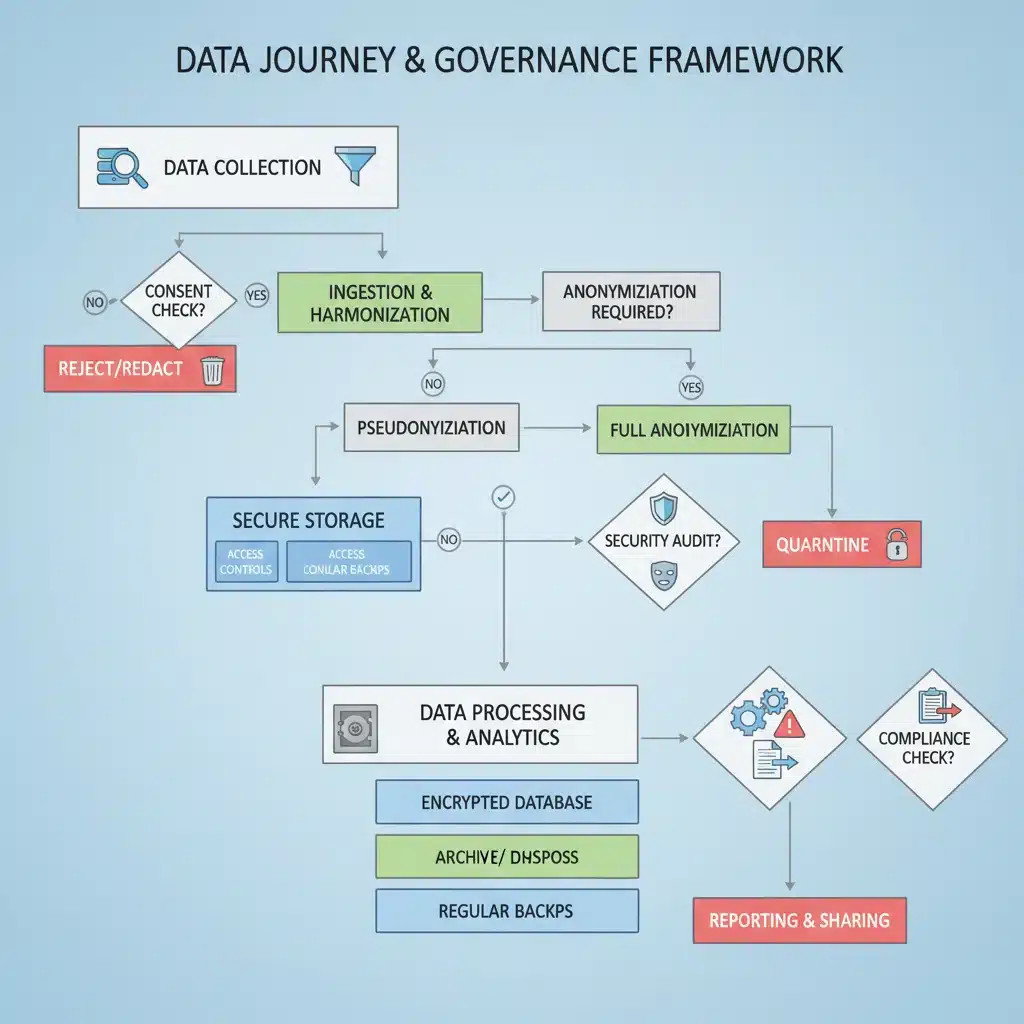
You can’t protect what you don’t know you have. Data mapping and discovery tools are critical for understanding where personal data resides within your organization, how it flows, and who has access to it. These tools help identify:
- Data Sources: Where is personal information being collected (e.g., website forms, CRM, email marketing platforms, third-party data providers)?
- Data Types: What specific categories of personal information are being collected (e.g., names, email addresses, IP addresses, browsing history, sensitive personal information)?
- Data Flow: How does data move between systems, departments, and third parties?
- Data Storage Locations: Where is the data stored (e.g., cloud servers, on-premise databases, spreadsheets)?
- Data Retention Policies: How long is data kept, and is it aligned with legal requirements?
By providing a clear inventory of personal data, these data privacy tools form the basis for fulfilling data subject access requests (DSARs), conducting privacy impact assessments, and ensuring data minimization.
3. Data Subject Access Request (DSAR) Management Solutions
CCPA and CPRA grant consumers the right to access, delete, and correct their personal information. Responding to these DSARs efficiently and accurately is a significant operational challenge without specialized data privacy tools. DSAR management solutions automate and streamline the entire process, from receiving a request to verifying the consumer’s identity, locating the relevant data, redacting sensitive information, and fulfilling the request within the legally mandated timeframe. Key features include:
- Automated Request Intake: Web forms and portals for consumers to submit requests.
- Identity Verification: Secure methods to confirm the identity of the requester.
- Data Search and Retrieval: Integrations with various data sources to locate all relevant personal information.
- Workflow Automation: Assigning tasks, tracking progress, and ensuring timely responses.
- Audit Trails: Maintaining detailed records of all DSAR activities for compliance auditing.
These tools are indispensable for managing the volume and complexity of consumer privacy requests, reducing manual effort, and minimizing the risk of non-compliance fines.
4. Data Anonymization and Pseudonymization Tools
For marketers, the ability to derive insights from data without directly identifying individuals is a powerful compliance strategy. Data anonymization and pseudonymization tools transform personal data so that individuals cannot be identified, either directly or indirectly. This allows for data analysis, trend identification, and product development without infringing on individual privacy rights. While anonymized data falls outside the scope of CCPA/CPRA, pseudonymized data still carries some risk and must be handled with care. These data privacy tools are particularly valuable for:
- Analytics and Reporting: Generating aggregate insights without exposing individual data.
- Testing and Development: Using realistic, yet privacy-safe, datasets for system improvements.
- Data Sharing: Sharing data with partners in a privacy-preserving manner.
Implementing these techniques can significantly reduce the compliance burden and open up new avenues for data utilization.
5. Data Loss Prevention (DLP) Solutions
While not exclusively privacy tools, DLP solutions play a crucial role in preventing unauthorized access, use, or transmission of sensitive data, which directly impacts privacy. DLP systems monitor, detect, and block sensitive data from leaving the organization’s control. They can identify various types of personal information (e.g., social security numbers, credit card details) and enforce policies to prevent data breaches. For marketers handling customer databases, payment information, or other sensitive personal data, DLP is a critical layer of defense. These data privacy tools contribute significantly to the ‘reasonable security practices’ mandated by CCPA/CPRA.
6. Privacy Impact Assessment (PIA) and Data Protection Impact Assessment (DPIA) Software
CPRA mandates regular privacy audits and risk assessments. PIA and DPIA software help organizations identify, assess, and mitigate privacy risks associated with new projects, systems, or data processing activities. These tools guide users through a structured assessment process, documenting potential privacy impacts and recommending safeguards. By proactively identifying and addressing privacy risks, marketers can embed privacy by design into their operations, a core principle of modern data protection laws. These proactive data privacy tools help avoid issues before they become compliance problems.
7. Vendor and Third-Party Risk Management Tools
In today’s interconnected marketing ecosystem, businesses often share data with numerous third-party vendors (e.g., ad tech platforms, analytics providers, email service providers). CCPA and CPRA hold businesses accountable for the privacy practices of their vendors. Vendor and third-party risk management tools help assess and monitor the privacy and security posture of these external partners. They facilitate:
- Due Diligence: Evaluating vendor contracts and privacy policies.
- Risk Scoring: Assessing the privacy risk posed by each vendor.
- Contract Management: Ensuring data processing agreements (DPAs) are in place and compliant.
- Continuous Monitoring: Tracking changes in vendor practices or security incidents.
These data privacy tools are essential for extending your privacy compliance perimeter beyond your immediate organization and managing the complex web of data sharing.
Integrating Data Privacy Tools into Your Marketing Stack
The true power of data privacy tools lies in their seamless integration into your existing marketing technology stack. A fragmented approach, where privacy tools operate in silos, will lead to inefficiencies and compliance gaps. Instead, aim for a cohesive ecosystem where your CMP communicates with your CRM, your data mapping tools inform your DSAR solution, and your vendor management system ensures all third parties adhere to your privacy standards.
Consider the following integration points:
- Website and App Integration: CMPs must be embedded directly into your digital properties to capture consent effectively.
- CRM and CDP Integration: DSAR solutions need to pull data from your customer relationship management (CRM) and customer data platform (CDP) to fulfill requests accurately.
- Ad Tech and Analytics Platforms: Ensure that consent signals from your CMP are passed to advertising and analytics platforms to respect user preferences for tracking and targeted advertising.
- Cloud Storage and Databases: Data mapping and discovery tools should connect to all your data repositories to provide a complete picture of personal information.
A well-integrated privacy tech stack not only ensures compliance but also unlocks opportunities for more ethical and effective marketing. By respecting consumer choices, you can build stronger relationships and gather higher-quality, consent-driven data for your campaigns.

Best Practices for Implementing Data Privacy Tools
Simply acquiring data privacy tools is not enough; their effective implementation requires a strategic approach. Here are some best practices for US marketers in 2026:
- Conduct a Comprehensive Data Audit: Before deploying any tools, understand your current data practices. What data do you collect? Why? Where is it stored? Who has access? This audit will inform your tool selection and implementation strategy.
- Prioritize Privacy by Design: Integrate privacy considerations into every stage of your marketing campaigns and product development. This proactive approach is more effective and less costly than retrofitting compliance later.
- Train Your Team: Data privacy is a shared responsibility. Ensure all marketing personnel, from content creators to data analysts, understand their roles in protecting consumer data and how to use the implemented data privacy tools.
- Regularly Review and Update Policies: Privacy laws and technologies evolve. Regularly review your privacy policies, terms of service, and internal procedures to ensure they remain compliant and effective.
- Document Everything: Maintain detailed records of your data processing activities, consent records, DSAR responses, and vendor agreements. This documentation is crucial for demonstrating accountability during audits.
- Foster a Culture of Privacy: Go beyond mere compliance. Cultivate an organizational culture where privacy is valued and seen as a competitive advantage, not just a regulatory burden.
- Stay Informed: The data privacy landscape is dynamic. Keep abreast of new regulations, enforcement actions, and technological advancements to adapt your strategies and data privacy tools accordingly.
The Benefits Beyond Compliance: Building Trust and Driving Value
While compliance with CCPA and CPRA is a primary driver for adopting data privacy tools, the benefits extend far beyond avoiding fines. A strong privacy posture can be a significant competitive differentiator for US marketers:
- Enhanced Consumer Trust: Brands that demonstrate a commitment to privacy build stronger, more loyal relationships with their customers. Trust is the foundation of long-term customer value.
- Improved Data Quality: Consent-driven data is often higher quality and more reliable, leading to more effective and personalized marketing campaigns.
- Reduced Risk: Proactive privacy measures minimize the risk of data breaches, reputational damage, and legal challenges.
- Operational Efficiency: Automated data privacy tools streamline complex processes like DSAR fulfillment and consent management, freeing up marketing teams to focus on strategic initiatives.
- Innovation and Ethical Marketing: By embedding privacy from the outset, marketers can innovate responsibly, developing new products and services that respect user rights while still delivering value.
In 2026, the brands that embrace privacy as a core value, supported by robust data privacy tools, will be the ones that thrive. They will not only meet regulatory demands but also forge deeper connections with consumers who increasingly prioritize their digital autonomy.
Challenges and Future Outlook for Data Privacy Tools
Despite the advancements in data privacy tools, marketers will continue to face challenges. The fragmentation of US state privacy laws, the ongoing evolution of ad tech, and the increasing sophistication of cyber threats all contribute to a complex operating environment. Furthermore, the balance between personalization and privacy remains a delicate act. Marketers must continuously innovate to deliver relevant experiences without overstepping privacy boundaries.
Looking ahead, we can expect to see further integration of AI and machine learning into data privacy tools, enabling more intelligent data discovery, automated risk assessments, and predictive compliance capabilities. The demand for privacy-enhancing technologies (PETs) like federated learning and differential privacy will also grow, allowing for collaborative data analysis without exposing raw personal data. The industry will likely move towards more standardized privacy frameworks and interoperable privacy solutions to simplify compliance for businesses operating across multiple jurisdictions.
Conclusion: A Privacy-First Future for US Marketers
For US marketers, 2026 represents a critical juncture in the journey toward comprehensive data privacy compliance. The mandates of CCPA and CPRA are not merely regulatory burdens but opportunities to redefine brand-consumer relationships based on trust and transparency. Investing in the right data privacy tools is no longer optional; it is a strategic imperative for long-term success.
By understanding the nuances of these regulations, strategically implementing essential data privacy tools like CMPs, DSAR management solutions, and data mapping software, and fostering a privacy-first culture, marketers can navigate the complexities of the modern digital landscape with confidence. The future of marketing is privacy-centric, and those who embrace this reality will not only ensure compliance but also unlock new avenues for customer engagement, loyalty, and sustainable growth. The time to act is now, to secure your brand’s future in an increasingly privacy-conscious world.