Mastering Zero-Party Data Strategies for US Brands: Boost Personalization by 25% by 2026
In an increasingly competitive digital landscape, where consumers are more discerning about their data and demand highly personalized experiences, the traditional approaches to data collection are proving insufficient. Third-party cookies are crumbling, and privacy regulations are tightening. This paradigm shift necessitates a proactive and consumer-centric approach to data. For US brands aiming to not just survive but thrive, mastering a robust zero-party data strategy is no longer optional; it’s imperative. This comprehensive guide will delve into how US brands can effectively implement zero-party data strategies to achieve a remarkable 25% boost in personalization by 2026, fostering deeper customer relationships and driving significant growth.
Understanding Zero-Party Data: The Foundation of Future Personalization
Before we embark on the ‘how-to,’ let’s clarify what zero-party data strategy truly entails. Unlike first-party data (collected directly from customer interactions like purchases or website visits) or third-party data (purchased from external sources), zero-party data is information that a customer proactively and intentionally shares with a brand. This includes explicit preferences, interests, purchase intentions, and personal context. Think of it as a customer telling you, directly and without ambiguity, what they like, what they want, and how they want to be communicated with. This direct declaration of intent makes zero-party data incredibly valuable for personalization because it eliminates guesswork and assumptions.
The rise of zero-party data is a direct response to evolving consumer expectations and data privacy concerns. Consumers are increasingly wary of brands tracking their every move without consent. However, they are often willing to share information when they understand the value exchange – that is, when they receive a better, more relevant, and personalized experience in return. This transparency and trust form the bedrock of a successful zero-party data strategy.
Why US Brands Need a Robust Zero-Party Data Strategy Now
The reasons for prioritizing a zero-party data strategy are multifaceted and compelling, especially for US brands navigating a complex regulatory and consumer landscape:
- Enhanced Personalization Accuracy: No more relying on inferences. When a customer explicitly states their preference for, say, vegan products or specific travel destinations, personalization becomes incredibly precise and effective. This leads to more relevant product recommendations, tailored content, and timely offers.
- Increased Customer Trust and Transparency: By asking customers directly for their data, brands demonstrate respect for privacy and build trust. This transparent exchange empowers customers and makes them feel valued, strengthening brand loyalty.
- Future-Proofing Against Privacy Regulations: With the ongoing evolution of data privacy laws like CCPA and potential federal privacy legislation, relying heavily on third-party data or even some forms of first-party data collection can become risky. Zero-party data is inherently compliant because it’s given directly and knowingly by the customer.
- Higher Engagement and Conversion Rates: Personalized experiences driven by zero-party data lead to significantly higher engagement. When customers see content, products, or services that directly align with their stated preferences, they are far more likely to interact and convert.
- Reduced Data Acquisition Costs: While there’s an initial investment in tools and strategy, the long-term cost of acquiring high-quality, actionable data through zero-party methods can be lower than constantly purchasing third-party data or investing heavily in complex inferential analytics.
- Competitive Advantage: Brands that master a zero-party data strategy will stand out from competitors still struggling with outdated data collection methods, offering superior customer experiences that drive market share.
Key Pillars of an Effective Zero-Party Data Strategy
Implementing a successful zero-party data strategy requires a strategic, multi-pronged approach. Here are the core pillars:
1. Identify Key Data Points and Value Exchange
The first step is to determine what specific information you need from your customers to enhance their experience. Don’t ask for data just for the sake of it. Each piece of information requested should have a clear purpose and directly contribute to a more personalized interaction. Consider:
- Demographics: Age range, location, household size (if relevant to product/service).
- Preferences: Product categories, styles, colors, dietary restrictions, communication channels, frequency.
- Interests: Hobbies, lifestyle choices, content topics.
- Intentions: Purchase goals, upcoming events (e.g., birthday, anniversary), problem-solving needs.
- Feedback: Product reviews, service satisfaction, suggestions.
Crucially, articulate the value exchange. How will sharing this data benefit the customer? Will it lead to better recommendations, exclusive offers, or more relevant content? Make this explicit.
2. Design Engaging Data Collection Mechanisms
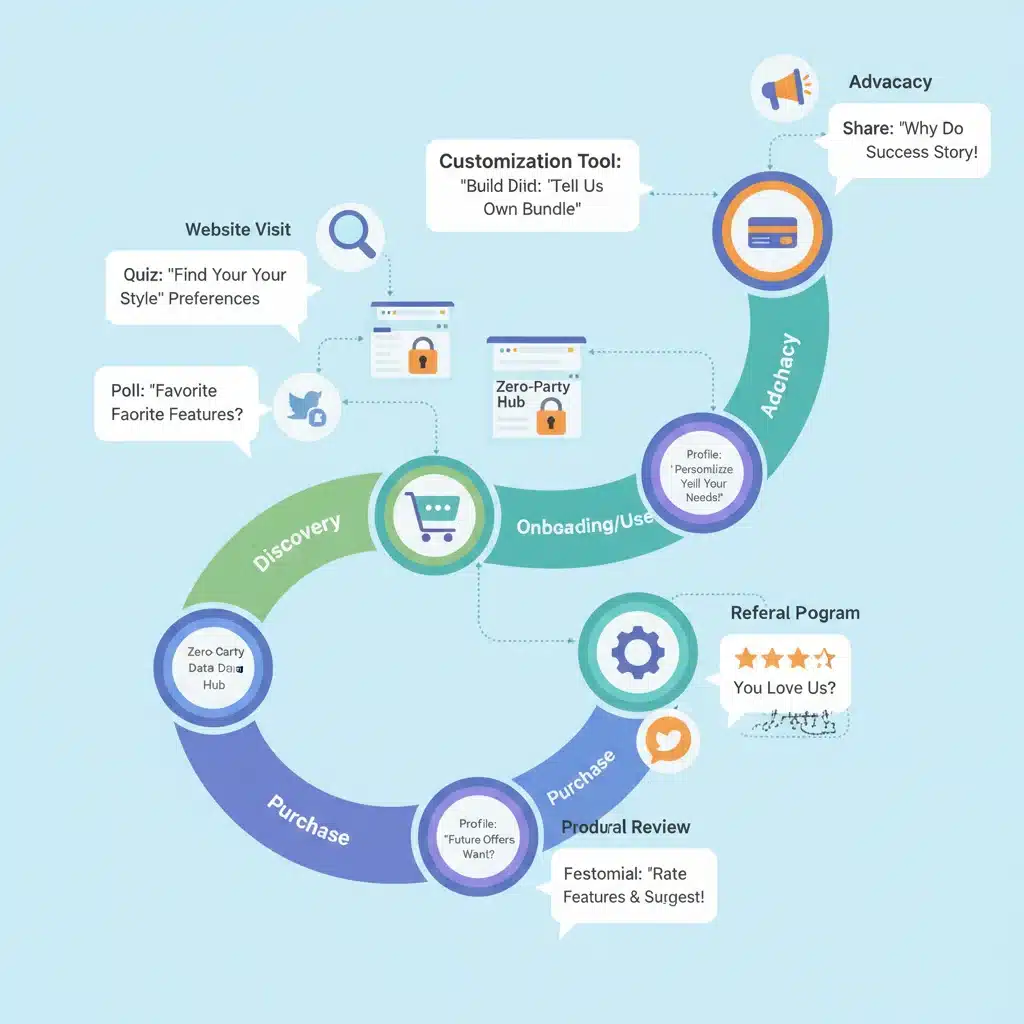
The way you ask for data is as important as what you ask. Data collection should be seamless, enjoyable, and integrated into the customer journey. Avoid long, tedious forms. Think interactive and gamified experiences:
- Interactive Quizzes and Surveys: “Find your perfect product,” “What’s your style?” or “Tell us your travel dreams” quizzes are excellent for gathering preferences while entertaining customers.
- Preference Centers: Allow customers to actively manage their communication preferences, interests, and how they want their data used. This builds trust and gives them control.
- On-site Polls and Pop-ups: Contextual questions that appear at relevant points in the browsing journey (e.g., “Are you shopping for yourself or a gift?” on a product page).
- Contests and Giveaways: Offer incentives for customers to share information, ensuring the data collected is relevant to the prize or brand.
- Personalized Onboarding Flows: For new users or subscribers, a well-designed onboarding process can ask for initial preferences to immediately tailor their experience.
- Direct Conversations: Customer service interactions, chatbots, or even in-store conversations can be opportunities to gather explicit preferences.
3. Integrate and Activate Zero-Party Data Across Channels
Collecting data is only half the battle; the real power lies in how you use it. Integrate zero-party data into your CRM, marketing automation platforms, e-commerce systems, and customer service tools. This allows for:
- Dynamic Website Personalization: Tailor website content, product displays, and promotions based on stated preferences.
- Targeted Email and SMS Campaigns: Send highly relevant messages that resonate with individual customer interests and needs.
- Personalized Product Recommendations: Leverage preferences to suggest products that customers are genuinely interested in, increasing average order value.
- Enhanced Customer Service: Equip service agents with customer preferences to provide more empathetic and efficient support.
- Optimized Ad Targeting: While third-party cookies fade, zero-party data can inform more precise first-party ad targeting strategies on platforms that allow it.
4. Maintain Trust and Ensure Data Governance
Trust is paramount. Brands must be transparent about how they collect, store, and use zero-party data. Clearly communicate your privacy policy and ensure compliance with all relevant regulations (e.g., CCPA, Virginia CDPA, Colorado CPA). Implement robust data governance practices:
- Data Security: Protect customer data with strong encryption and access controls.
- Consent Management: Obtain clear and unambiguous consent for data collection and usage.
- Data Minimization: Only collect the data you truly need.
- Data Accuracy and Updates: Provide easy ways for customers to update their preferences and ensure your data remains current.
- Regular Audits: Periodically review your data collection and usage practices to ensure compliance and effectiveness.
Measuring Success: Achieving a 25% Boost in Personalization by 2026
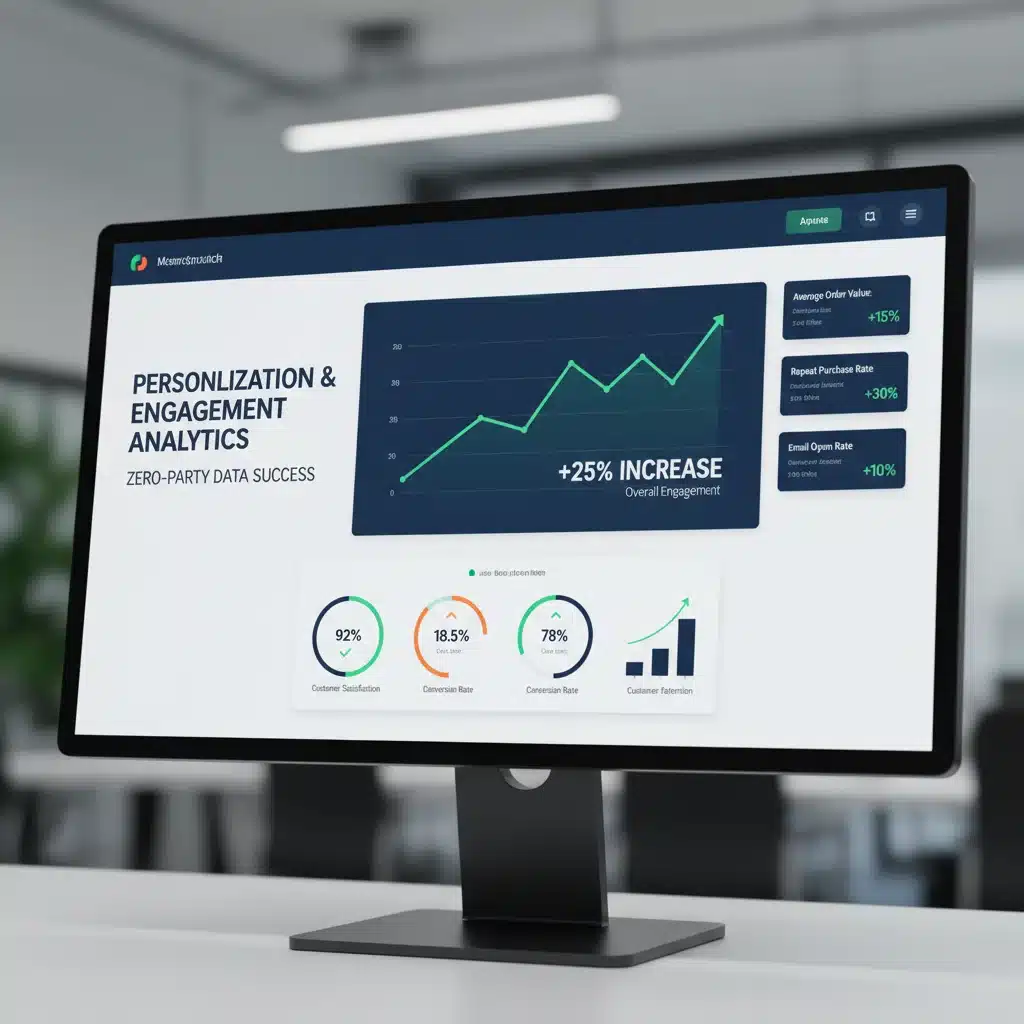
Setting a target of a 25% boost in personalization by 2026 is ambitious but achievable with a dedicated zero-party data strategy. To measure this, you’ll need clear metrics and benchmarks:
- Engagement Rates: Track open rates, click-through rates, and time spent on personalized content (emails, website pages). A significant increase indicates better personalization.
- Conversion Rates: Monitor conversion rates for segments receiving personalized recommendations or offers based on zero-party data. Look for uplift compared to non-personalized experiences.
- Average Order Value (AOV): Personalized product recommendations often lead to higher AOVs.
- Customer Lifetime Value (CLTV): Deeper personalization fosters loyalty, contributing to increased CLTV over time.
- Customer Satisfaction (CSAT) and Net Promoter Score (NPS): Survey customers to gauge their satisfaction with personalized experiences.
- Data Capture Rate: The percentage of customers who voluntarily provide zero-party data. This indicates the effectiveness of your collection mechanisms and value exchange.
- Reduction in Opt-Out Rates: Fewer unsubscribes or opt-outs from communications indicate that customers find your messages relevant.
Establish baseline metrics now, and regularly track progress against these benchmarks. A 25% improvement across key personalization indicators by 2026 is a strong, measurable goal that demonstrates the tangible impact of your zero-party data strategy.
Real-World Examples and Use Cases for US Brands
Let’s explore how different types of US brands can leverage a zero-party data strategy:
E-commerce Retailers:
An apparel brand can use a ‘style quiz’ to ask about preferred colors, fits, occasions, and budget. This zero-party data then informs personalized product recommendations on the website, in email newsletters, and even targeted ads. Imagine a customer explicitly stating they prefer sustainable fashion; the brand can then highlight eco-friendly collections, significantly increasing conversion for that segment.
Travel and Hospitality:
A hotel chain or airline can ask travelers about their preferred room amenities (e.g., feather pillows vs. foam), dietary restrictions, travel companions (e.g., solo, family with kids), and preferred activities during booking or via a post-booking survey. This data allows for highly tailored pre-arrival communications, in-stay experiences (e.g., suggesting kid-friendly activities), and future promotional offers.
Financial Services:
Banks or investment firms can use interactive tools to understand a customer’s financial goals (e.g., saving for a house, retirement, college), risk tolerance, and preferred communication style. This enables personalized advice, relevant product suggestions (e.g., specific investment vehicles, loan options), and educational content tailored to their financial journey.
Healthcare and Wellness:
A wellness app might ask users about their fitness goals, dietary habits, stress levels, and preferred exercise types. This zero-party data can then be used to create highly personalized workout plans, meal suggestions, mindfulness exercises, and even recommend relevant in-app content or premium features.
Media and Entertainment:
A streaming service can ask users about their favorite genres, actors, directors, and even preferred viewing times. This explicit feedback allows for more accurate content recommendations, personalized homepages, and tailored notifications about new releases, significantly improving user retention and satisfaction.
Overcoming Challenges in Zero-Party Data Implementation
While the benefits are clear, implementing a zero-party data strategy isn’t without its challenges. US brands might encounter:
- Customer Apathy: Not all customers will be willing to share data. The key is to make the value proposition clear and the experience engaging.
- Data Silos: Ensuring collected zero-party data is integrated across all relevant systems can be complex. Invest in robust CRM and CDP (Customer Data Platform) solutions.
- Lack of Internal Alignment: Marketing, sales, product, and customer service teams all need to understand the value and utility of zero-party data. Foster cross-functional collaboration.
- Choosing the Right Tools: Selecting the appropriate platforms for data collection, storage, and activation is crucial. Look for tools that offer flexibility, integration capabilities, and strong privacy features.
- Starting Small: Don’t try to collect everything at once. Begin with a few key data points that offer the most immediate value for personalization and expand iteratively.
The Future is Explicit: Zero-Party Data as a Strategic Imperative
The shift towards a privacy-first world is undeniable. For US brands, adapting to this new reality by embracing a robust zero-party data strategy is not just about compliance; it’s about competitive advantage and sustainable growth. By proactively asking customers for their preferences, brands can build deeper trust, deliver truly relevant experiences, and move beyond the limitations of inferred data.
The goal of a 25% boost in personalization by 2026 is an ambitious but achievable benchmark that underscores the transformative potential of this approach. Brands that invest in understanding and implementing effective zero-party data strategies will be the ones that forge stronger, more loyal customer relationships and lead their respective markets into the next era of digital commerce and engagement.
Start today by auditing your current data practices, identifying key personalization opportunities, and designing engaging ways to invite your customers into a transparent and mutually beneficial data exchange. The future of personalization is explicit, and zero-party data is your roadmap to success.