US Consumer Privacy Laws 2026: Navigating Compliance and Trust
Recent Updates: Navigating New US Consumer Privacy Laws to Maintain 2026 Sales Compliance and Trust
In an increasingly digital world, the landscape of data privacy is constantly shifting, presenting both challenges and opportunities for businesses. For companies operating within the United States, understanding and adapting to the evolving US Consumer Privacy Laws is not merely a legal obligation but a strategic imperative. As we look towards 2026, a deeper dive into these regulations reveals a complex tapestry of state-level statutes, federal discussions, and an ever-growing consumer demand for transparency and control over personal data. This article aims to demystify these recent updates, providing actionable insights for businesses to not only achieve sales compliance but also to foster invaluable consumer trust.
The Evolving Landscape of US Consumer Privacy Laws
The United States, unlike the European Union with its unified GDPR, operates under a patchwork of state-specific US Consumer Privacy Laws. This decentralized approach means businesses must contend with a variety of regulations, each with its own nuances and requirements. While a comprehensive federal privacy law remains a topic of ongoing debate, several states have taken significant strides in establishing robust frameworks. California’s CCPA (California Consumer Privacy Act) and its successor, the CPRA (California Privacy Rights Act), set a high bar, influencing subsequent legislation in other states. Virginia’s CDPA (Consumer Data Protection Act), Colorado’s CPA (Colorado Privacy Act), Utah’s UCPA (Utah Consumer Privacy Act), and Connecticut’s CTDPA (Connecticut Data Privacy Act) are prominent examples, each contributing to the intricate web of compliance.
The push for these laws stems from a growing public awareness of data collection practices and a desire for greater control. Consumers are increasingly wary of how their personal information is collected, used, shared, and sold. High-profile data breaches and concerns over targeted advertising have fueled this sentiment, making privacy a key differentiator for businesses. For companies, this means that merely adhering to the letter of the law is often not enough; building genuine trust requires going above and beyond minimum requirements, demonstrating a clear commitment to ethical data practices.
As we approach 2026, the trend indicates a continued expansion of these state-level US Consumer Privacy Laws. More states are expected to introduce or refine their privacy statutes, potentially leading to even greater complexity. Businesses that proactively monitor these legislative developments and build flexible, adaptable privacy programs will be best positioned for long-term success. Ignoring these trends can lead to significant financial penalties, reputational damage, and a loss of consumer confidence, directly impacting sales and market share.
Key Updates and Emerging Trends for 2026 Compliance
Understanding the specific changes and emerging trends within US Consumer Privacy Laws is crucial for 2026 compliance. While predicting the exact legislative landscape can be challenging, several key areas demand attention:
Expansion of Sensitive Personal Information Definitions
Many new and updated US Consumer Privacy Laws are expanding the definition of ‘sensitive personal information.’ This often includes data points such as racial or ethnic origin, religious beliefs, health data, sexual orientation, precise geolocation data, and biometric information. The collection, processing, and sharing of such data typically come with stricter requirements, including explicit consent and heightened security measures. Businesses must conduct thorough data mapping exercises to identify if and how they handle sensitive data and ensure their consent mechanisms are robust and transparent.
Strengthened Consumer Rights
Consumer rights are at the heart of these regulations. Beyond the well-known ‘right to know’ (access), ‘right to delete,’ and ‘right to opt-out of sale,’ newer laws are introducing or strengthening rights such as the ‘right to correct’ inaccurate personal information, the ‘right to limit the use and disclosure of sensitive personal information,’ and the ‘right to opt-out of targeted advertising’ or ‘profiling.’ Businesses must have clear, accessible mechanisms in place for consumers to exercise these rights, including designated request portals and efficient response processes.
Data Minimization and Purpose Limitation
A fundamental principle gaining traction is data minimization – collecting only the personal information that is strictly necessary for a stated purpose. Coupled with purpose limitation, which dictates that data should only be used for the purposes for which it was collected, these principles encourage businesses to rethink their data collection strategies. Over-collection of data not only increases compliance risk but also poses a greater liability in the event of a data breach. Implementing these principles can streamline data management and reduce the overall compliance burden.
Increased Enforcement and Penalties
State Attorneys General and newly established privacy enforcement agencies are becoming more active in pursuing non-compliant businesses. Penalties can be substantial, often ranging from thousands to tens of thousands of dollars per violation, with higher fines for intentional non-compliance or violations involving minors’ data. The risk of class-action lawsuits also looms large. Businesses should view compliance as an investment in risk mitigation, rather than just a cost.
Focus on Data Security
While not exclusively privacy laws, many US Consumer Privacy Laws implicitly or explicitly require businesses to implement reasonable security measures to protect personal data. This means having robust cybersecurity protocols, regular security audits, employee training, and incident response plans. A data breach resulting from inadequate security can lead to both privacy violations and significant financial and reputational damage.
Impact on Sales and Marketing Strategies
The evolving US Consumer Privacy Laws have profound implications for how businesses approach sales and marketing. Traditional strategies that relied heavily on broad data collection and aggressive targeting are being challenged, necessitating a shift towards more transparent, consent-driven, and value-oriented approaches.
Rethinking Data Collection and Usage
Sales and marketing teams must meticulously review their data collection practices. This includes website analytics, CRM data, lead generation forms, and third-party data acquisitions. The focus should shift from ‘collect everything’ to ‘collect what’s necessary and explain why.’ Clear consent mechanisms, such as opt-in checkboxes for specific data uses (e.g., marketing emails, personalized offers), become paramount. Businesses need to articulate the value proposition for data sharing to consumers, fostering a relationship built on trust rather than opacity.
Personalization vs. Privacy
The desire for hyper-personalization in sales and marketing must be balanced with privacy considerations. While consumers appreciate relevant offers, they are increasingly wary of feeling ‘tracked’ or ‘profiled’ without their explicit consent. This requires a more nuanced approach to personalization, perhaps focusing on aggregated, anonymized data for general trends, or offering personalized experiences based on directly provided preferences rather than inferred behaviors from extensive tracking. Contextual advertising, where ads are relevant to the content being viewed rather than the user’s personal profile, may see a resurgence.
First-Party Data Strategy
With restrictions on third-party cookies and data sharing, a strong first-party data strategy becomes critical. This means actively encouraging customers to share their data directly in exchange for clear value – exclusive content, personalized services, loyalty program benefits, or improved product experiences. Building direct relationships with customers for data collection not only enhances privacy compliance but also provides richer, more reliable data insights. This shift empowers businesses to control their data destiny and reduce reliance on potentially risky third-party data sources.
Sales Outreach and Consent
For sales teams, understanding consent applies to outreach methods as well. Email marketing, telemarketing, and SMS campaigns must strictly adhere to opt-in requirements and provide clear opt-out mechanisms. Training sales representatives on privacy-compliant communication practices is essential to avoid violating ‘do not call’ lists, ‘do not email’ lists, and other consumer preferences. The emphasis should be on permission-based marketing, where engagement is initiated by the consumer’s explicit interest.
Vendor Management and Data Sharing
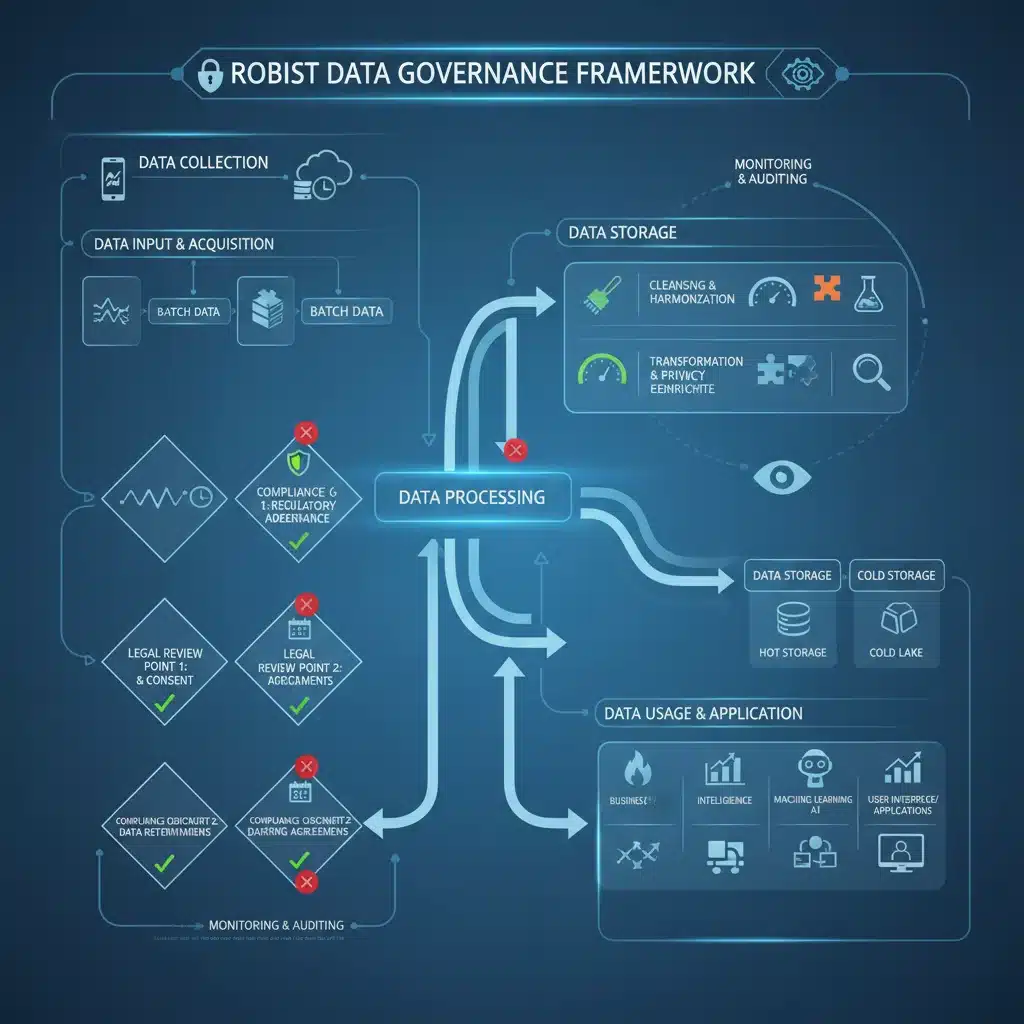
Businesses rarely operate in a vacuum. Sales and marketing often involve a web of third-party vendors – CRM providers, marketing automation platforms, analytics tools, advertising networks. Each of these vendors handles consumer data, making vendor due diligence a critical component of compliance. Contracts must include robust data processing agreements (DPAs) that clearly define responsibilities, security measures, and compliance obligations. Businesses are increasingly held accountable for the privacy practices of their vendors, making careful selection and ongoing monitoring indispensable.
Building Consumer Trust in a Privacy-First World
Compliance with US Consumer Privacy Laws is the foundation, but building consumer trust is the ultimate goal. Trust is a powerful differentiator that can lead to increased customer loyalty, positive brand perception, and, ultimately, higher sales.
Transparency is Key
Be transparent about your data practices. Privacy policies should be clear, concise, and easy to understand, avoiding legal jargon where possible. Explain what data you collect, why you collect it, how you use it, and with whom you share it. Use plain language and consider visual aids or layered notices to make information more accessible. Beyond the policy, be transparent in every interaction – for example, clearly stating why you are asking for certain information in a form.
Empower Consumers with Control
Provide easily accessible and user-friendly mechanisms for consumers to exercise their privacy rights. This could be a dedicated privacy dashboard on your website, a toll-free number, or a clear email address for requests. Responding promptly and effectively to these requests demonstrates respect for consumer autonomy and reinforces trust. The easier it is for consumers to manage their data, the more likely they are to trust your brand.
Invest in Robust Data Security
Data breaches erode trust faster than almost anything else. Investing in strong cybersecurity measures, including encryption, access controls, regular vulnerability assessments, and employee training, is non-negotiable. Communicate your commitment to data security to your customers, assuring them that their information is protected. A proactive approach to security builds confidence and reduces the likelihood of damaging incidents.
Ethical Data Use and Value Exchange
Move beyond simply complying with the law to adopting an ethical approach to data. Consider whether your data practices align with your brand values and customer expectations. Focus on providing clear value in exchange for data. If a customer provides their email, ensure they receive valuable content or offers, not just incessant promotions. This value exchange reinforces the idea that data sharing is a mutually beneficial relationship.
Train Your Team
Every employee who interacts with customer data, from sales to marketing to customer service, plays a role in privacy. Implement comprehensive training programs to educate staff on privacy policies, data handling procedures, and how to respond to consumer privacy requests. A well-informed team is less likely to make mistakes that could lead to non-compliance or a breach of trust.
Practical Steps for 2026 Sales Compliance and Trust
Achieving and maintaining compliance with US Consumer Privacy Laws by 2026 requires a structured, ongoing effort. Here are practical steps businesses can take:
1. Conduct a Data Inventory and Mapping Exercise
Understand what personal data your organization collects, where it comes from, where it is stored, how it is used, who has access to it, and with whom it is shared. This foundational step is crucial for identifying compliance gaps and implementing data minimization strategies.
2. Review and Update Privacy Policies and Notices
Ensure your privacy policies are up-to-date with all applicable state laws (CCPA/CPRA, CDPA, CPA, UCPA, CTDPA, etc.). Make them accessible, easy to understand, and clearly explain consumer rights and your data practices. Implement just-in-time notices where data is collected to provide context.
3. Implement Robust Consent Management Systems
For data uses requiring consent (e.g., sensitive personal information, targeted advertising, certain marketing communications), deploy consent management platforms (CMPs) that allow consumers to easily grant, deny, or revoke consent. Ensure these systems log consent accurately for audit purposes.
4. Establish Processes for Exercising Consumer Rights
Develop clear procedures for handling data subject access requests (DSARs), deletion requests, correction requests, and opt-out requests. Designate responsible personnel, set up secure communication channels, and ensure timely responses within legal deadlines.
5. Strengthen Data Security Measures
Review and enhance your cybersecurity framework. This includes implementing data encryption, multi-factor authentication, regular security audits, penetration testing, and a comprehensive incident response plan. Ensure third-party vendors also meet high security standards.
6. Update Vendor Contracts and Data Processing Agreements
Ensure all third-party vendors, particularly those handling personal data on your behalf, have updated contracts with robust data processing addendums (DPAs) that reflect current US Consumer Privacy Laws and define responsibilities for data protection and compliance.
7. Provide Ongoing Employee Training
Regularly train all employees, especially those in sales, marketing, and customer service, on privacy policies, data handling best practices, and how to respond to privacy inquiries. Foster a culture of privacy awareness throughout the organization.
8. Appoint a Privacy Lead or Officer
Even if not legally mandated, designating an individual or a team responsible for overseeing privacy compliance can greatly improve effectiveness. This role can monitor legislative changes, manage compliance efforts, and serve as a point of contact for privacy-related matters.

9. Conduct Regular Privacy Impact Assessments (PIAs)
For new projects, products, or services that involve personal data processing, conduct PIAs to identify and mitigate privacy risks proactively. This ensures privacy-by-design principles are integrated from the outset.
10. Stay Informed and Adapt
The landscape of US Consumer Privacy Laws is dynamic. Continuously monitor legislative updates, industry best practices, and enforcement actions. Be prepared to adapt your policies and procedures as new regulations come into effect or existing ones are amended.