Mastering Omni-Channel Sales in 2026: Unify Customer Journeys & Boost Revenue by 10%
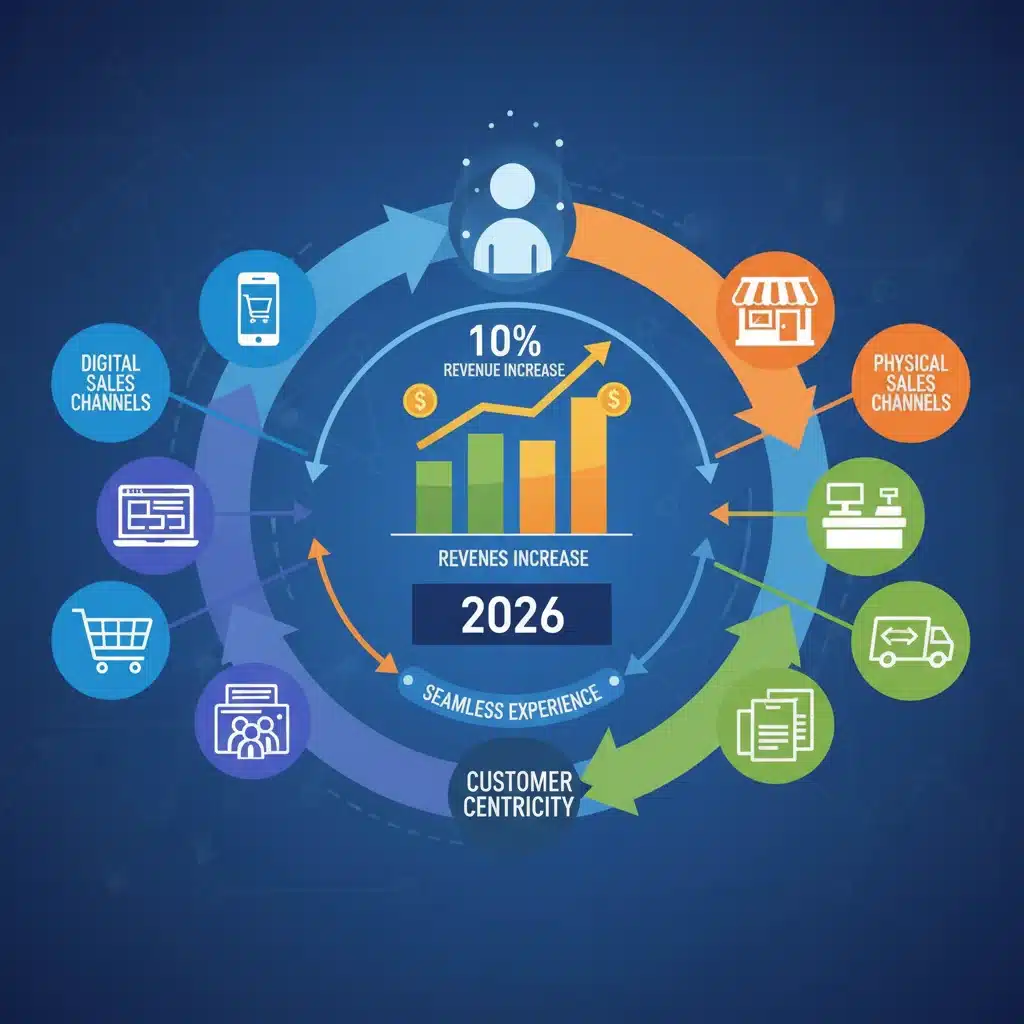
In the rapidly evolving landscape of commerce, customer expectations are higher than ever. Gone are the days when a simple online store or a brick-and-mortar presence sufficed. Today, customers demand a seamless, consistent, and personalized experience across every touchpoint – whether they’re browsing on their mobile, chatting with a support agent, or visiting a physical store. This is the essence of mastering omni-channel sales strategy, and in 2026, it’s not just a competitive advantage; it’s a necessity for survival and growth.
Many businesses mistakenly believe they are operating with an omni-channel approach when, in reality, they are merely multi-channel. The distinction is crucial. Multi-channel means offering multiple ways for customers to interact, but these channels often operate in silos. Omni-channel, however, focuses on integrating these channels to create a unified, coherent, and continuous customer journey. Imagine a customer starting their research on a product on your website, adding it to their cart, receiving a personalized email reminder, then walking into your store, where a sales associate can instantly access their online cart and preferences, and finally, completing the purchase with a smooth online checkout from their phone. This is the power of a true omni-channel sales strategy.
This comprehensive guide will provide you with a step-by-step plan to implement and refine your omni-channel sales strategy in 2026, aiming to unify customer journeys and boost your revenue by a significant 10% or more. We’ll delve into the foundational elements, practical implementation steps, and the critical tools and technologies needed to make this vision a reality.
Understanding the Core Principles of an Omni-Channel Sales Strategy
Before diving into the ‘how,’ it’s essential to grasp the fundamental principles that underpin a successful omni-channel sales strategy. These principles serve as your guiding stars throughout the implementation process.
Customer-Centricity Above All Else
At the heart of omni-channel is the customer. Every decision, every integration, and every process should revolve around creating the best possible experience for them. This means understanding their behaviors, preferences, and pain points across all channels. It’s about meeting them where they are, on their terms, and anticipating their needs.
Seamless Integration of Channels
This is where omni-channel truly differentiates itself from multi-channel. All your sales, marketing, and service channels must be interconnected and share data in real-time. This includes your website, mobile app, social media, email, physical stores, call centers, and any other customer touchpoints. The goal is to eliminate friction and ensure a smooth transition for the customer as they move between channels.
Consistent Brand Experience
Regardless of the channel, your brand’s voice, messaging, visual identity, and service quality must remain consistent. A customer should recognize and trust your brand whether they’re scrolling through Instagram, receiving an email, or speaking to a sales associate. Inconsistency breeds confusion and erodes trust, directly impacting your omni-channel sales strategy‘s effectiveness.
Personalization at Scale
Leveraging integrated data allows for deep personalization. This goes beyond simply addressing a customer by their first name. It involves recommending products based on their browsing history, offering tailored promotions, and providing relevant content based on their stage in the buying journey. Personalization is a key driver of customer loyalty and increased conversion rates within an omni-channel sales strategy.
Data-Driven Decision Making
A robust omni-channel sales strategy is fueled by data. Collecting, analyzing, and acting upon data from all customer interactions is crucial for identifying trends, optimizing processes, and measuring the effectiveness of your efforts. This continuous feedback loop allows for agile adjustments and ensures your strategy remains relevant and impactful.
Phase 1: Assessment and Planning (Q4 2025 – Q1 2026)
Before embarking on any major transformation, a thorough assessment of your current state and meticulous planning are indispensable. This phase lays the groundwork for a successful omni-channel sales strategy implementation.
Step 1: Audit Your Current Customer Journey and Touchpoints
Begin by mapping out your existing customer journey. Identify every single touchpoint a customer has with your brand, from initial awareness to post-purchase support. This includes online channels (website, social media, email, ads, chat) and offline channels (physical stores, call centers, events). Document how these channels currently interact (or don’t interact) and identify any silos or points of friction. Ask questions like:
- Where do customers typically start their journey?
- What are the common paths they take?
- Where do they encounter roadblocks or frustrating experiences?
- Are there inconsistencies in messaging or information across channels?
Step 2: Define Your Ideal Omni-Channel Customer Journey
Based on your audit, envision your ideal omni-channel sales strategy. How should customers seamlessly move between channels? What information should be available at each touchpoint? For example, if a customer browses a product online, should a sales associate in-store be able to see that? If they contact support via chat, should the agent have access to their purchase history? Define these ideal states for various customer scenarios.
Step 3: Identify Key Stakeholders and Build a Cross-Functional Team
An omni-channel sales strategy is not just a sales initiative; it’s a company-wide endeavor. Involve representatives from sales, marketing, customer service, IT, and operations. This cross-functional team will be crucial for breaking down departmental silos and ensuring a unified approach. Designate a project leader or a dedicated omni-channel manager to oversee the initiative.
Step 4: Set Clear Goals and KPIs
What do you hope to achieve with your omni-channel sales strategy? Beyond the overarching goal of a 10% revenue boost, define specific, measurable, achievable, relevant, and time-bound (SMART) objectives. Examples include:
- Increase customer retention by X%
- Improve customer satisfaction (CSAT) scores by Y points
- Reduce average customer service resolution time by Z minutes
- Increase conversion rates from online browsing to in-store purchase by A%
- Decrease cart abandonment rate by B%
Establish key performance indicators (KPIs) to track your progress against these goals.
Phase 2: Technology and Data Integration (Q1 – Q2 2026)
Technology is the backbone of any effective omni-channel sales strategy. This phase focuses on selecting and integrating the right tools to unify your customer data and enable seamless experiences.
Step 5: Consolidate Customer Data into a Unified Profile
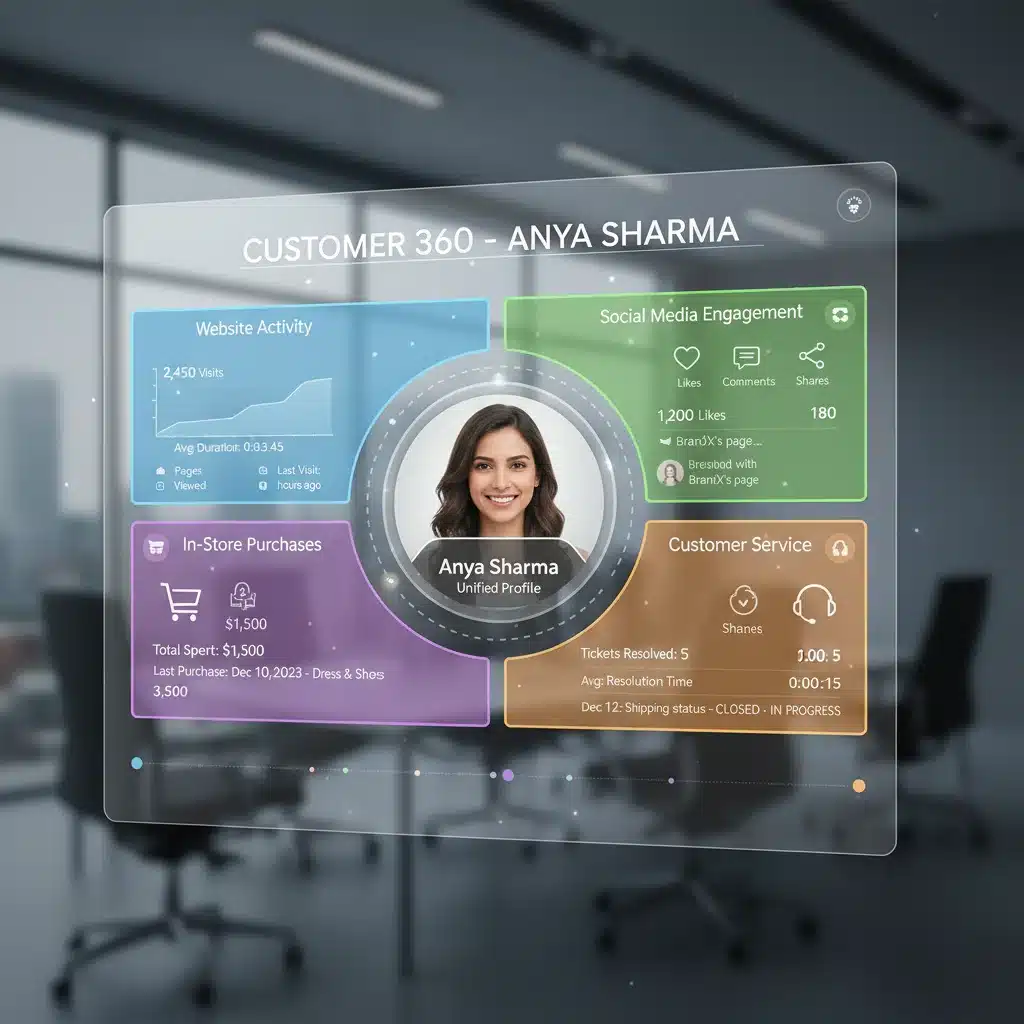
This is arguably the most critical step. You need a single source of truth for customer data. This often involves a robust Customer Relationship Management (CRM) system, but may also include Customer Data Platforms (CDPs) or marketing automation platforms. The goal is to gather all customer interactions, preferences, purchase history, and demographic information into a comprehensive, 360-degree customer view. This unified profile is essential for personalization and consistent service across channels.
Step 6: Integrate Your Sales, Marketing, and Service Platforms
Ensure that your CRM, marketing automation, e-commerce platform, point-of-sale (POS) system, and customer service software are all integrated. This allows for real-time data flow and ensures that every department has access to the most up-to-date customer information. For instance, a sales associate should be able to see if a customer has opened a marketing email or interacted with a social media ad. A customer service agent should know about recent purchases and previous support inquiries. This seamless data exchange is fundamental to a cohesive omni-channel sales strategy.
Step 7: Implement or Upgrade Key Omni-Channel Tools
Consider tools that specifically support omni-channel interactions:
- Live Chat and Chatbots: Provide instant support and guide customers through their journey on your website or social media.
- Personalization Engines: Deliver tailored product recommendations, content, and offers across all channels.
- Unified Communications Platforms: Integrate voice, email, chat, and social messaging for customer service.
- Inventory Management Systems: Ensure real-time inventory visibility across online and offline channels to support ‘buy online, pick up in-store’ (BOPIS) or ‘ship from store’ options.
- Mobile Apps: Offer a personalized and convenient experience for on-the-go customers.
Phase 3: Implementation and Optimization (Q2 – Q4 2026)
With your planning complete and technology in place, it’s time to roll out your omni-channel sales strategy and continuously refine it.
Step 8: Train Your Teams
Technology is only as good as the people using it. Comprehensive training is crucial for all customer-facing staff, from sales associates to customer service representatives. They need to understand the new processes, how to use the integrated systems, and most importantly, the philosophy behind the omni-channel sales strategy: putting the customer first. Emphasize consistency in messaging and service quality across all touchpoints.
Step 9: Pilot and Iterate
Don’t try to implement everything at once. Start with a pilot program or a specific segment of your customer journey. Gather feedback, identify bottlenecks, and make adjustments before a full-scale rollout. This agile approach allows you to refine your omni-channel sales strategy based on real-world insights.
Step 10: Develop Consistent Messaging and Content
Ensure your brand voice, tone, and key messages are consistent across all channels. This includes website copy, social media posts, email campaigns, in-store signage, and even the scripts used by your call center agents. Create content that is relevant to each channel but maintains a unified brand identity. Leverage your customer data to personalize this content effectively.
Step 11: Optimize for Mobile-First Experiences
Mobile devices are often the first point of contact for customers. Ensure your website, emails, and any other digital touchpoints are fully optimized for mobile responsiveness and speed. A clunky mobile experience can quickly derail your entire omni-channel sales strategy. Consider developing a dedicated mobile app if it aligns with your customer’s needs and provides added value.
Step 12: Leverage Personalization and Automation
With your integrated data, you can now implement advanced personalization. Use marketing automation to trigger personalized emails based on browsing behavior, abandoned carts, or past purchases. Offer dynamic content on your website based on customer segments. Empower sales associates with customer insights to provide tailored recommendations in-store or during calls. This level of personalization significantly enhances the omni-channel sales strategy.

Step 13: Establish a Feedback Loop and Continuous Improvement
Your omni-channel sales strategy is not a one-time project; it’s an ongoing process. Continuously monitor your KPIs, gather customer feedback (surveys, reviews, social listening), and analyze data to identify areas for improvement. Regularly review your customer journey maps and adapt your strategy to changing customer behaviors and market trends. Encourage your teams to share insights and best practices.
Measuring Success: Achieving Your 10% Revenue Boost
To confirm you’re on track to achieve that ambitious 10% revenue boost, you need to rigorously track the right metrics. Beyond overall revenue growth, consider these specific indicators of a successful omni-channel sales strategy:
- Customer Lifetime Value (CLTV): Omni-channel customers tend to have higher CLTV due to increased engagement and loyalty.
- Repeat Purchase Rate: A seamless experience encourages customers to return.
- Average Order Value (AOV): Personalization and cross-channel promotions can lead to larger purchases.
- Conversion Rates: Track conversion rates across different channels and for customer journeys that span multiple channels.
- Customer Satisfaction (CSAT) and Net Promoter Score (NPS): These indicate how happy your customers are with their overall experience.
- Channel Engagement: Monitor interaction rates on each channel to understand preferences.
- Reduced Churn Rate: Happy, engaged customers are less likely to leave.
- Efficiency Gains: Integrated systems can reduce manual tasks and improve operational efficiency across departments.
Regularly review these metrics in your cross-functional team meetings. Celebrate successes and address shortcomings promptly. The 10% revenue boost is a tangible outcome of a well-executed omni-channel sales strategy, but the underlying improvements in customer experience and operational efficiency are equally valuable.
Challenges and How to Overcome Them
Implementing a robust omni-channel sales strategy is not without its hurdles. Being aware of potential challenges and having strategies to overcome them is crucial for success.
Challenge 1: Data Silos and Integration Complexity
Solution: Invest in a powerful CRM or CDP as your central data hub. Prioritize API-first solutions for easier integration between platforms. Consider phased integration, starting with the most critical systems, and gradually expanding. Work closely with your IT department or external integration specialists.
Challenge 2: Organizational Silos and Lack of Cross-Functional Collaboration
Solution: Foster a culture of collaboration from the top down. Establish the cross-functional team early (as mentioned in Step 3) and ensure regular communication. Define shared goals and KPIs that span departments, so everyone is working towards the same objectives. Implement tools for shared project management and communication.
Challenge 3: Resistance to Change
Solution: Clearly communicate the benefits of the omni-channel sales strategy to all employees, emphasizing how it improves their work and customer experience. Provide comprehensive training and ongoing support. Celebrate early wins to build momentum and demonstrate the positive impact of the new approach. Involve employees in the process to give them a sense of ownership.
Challenge 4: Budget Constraints
Solution: Start with a Minimum Viable Product (MVP) approach. Identify the most impactful integrations and features that will deliver quick wins and demonstrate ROI. Build a strong business case for investment by quantifying the potential revenue boost and efficiency gains. Explore cloud-based solutions that offer scalability and lower upfront costs.
Challenge 5: Keeping Up with Evolving Technology and Customer Expectations
Solution: Embrace a mindset of continuous learning and adaptation. Stay informed about emerging technologies and trends in customer behavior. Regularly solicit customer feedback and conduct market research. Allocate resources for ongoing training and technology upgrades to ensure your omni-channel sales strategy remains cutting-edge.
The Future of Omni-Channel Sales Beyond 2026
As we look beyond 2026, the omni-channel sales strategy will continue to evolve, driven by advancements in artificial intelligence, virtual reality, and the metaverse. Expect to see:
- Hyper-Personalization: AI will enable even more granular personalization, predicting customer needs before they arise.
- Voice Commerce Integration: Seamless integration with smart speakers and voice assistants for shopping and support.
- Augmented and Virtual Reality Shopping: Immersive experiences that allow customers to ‘try on’ products or visualize them in their homes.
- Predictive Analytics for Proactive Service: AI-driven insights to anticipate customer issues and resolve them before they become problems.
- Even Greater Emphasis on Data Privacy: As personalization grows, so will the need for transparent and secure data handling practices.
By building a strong foundation for your omni-channel sales strategy now, you’ll be well-positioned to adapt to these future trends and maintain your competitive edge.
Conclusion: Your Path to Omni-Channel Mastery and Revenue Growth
Implementing and mastering an omni-channel sales strategy is a complex but immensely rewarding endeavor. It requires strategic planning, significant technological investment, and a fundamental shift in organizational culture towards true customer-centricity. By following this step-by-step plan, from auditing your current state to continuously optimizing your integrated channels, you can unify your customer journeys, eliminate friction, and deliver exceptional experiences that drive loyalty and, crucially, a substantial revenue boost of 10% or more by 2026.
The businesses that embrace this holistic approach will be the ones that thrive in the competitive landscape of tomorrow. Start your journey towards omni-channel mastery today, and watch your customer relationships and bottom line flourish.