The 2026 Shift: How AI-Powered Hyper-Personalization Can Boost Your Conversion Rates by 15% This Quarter
The landscape of digital marketing is undergoing a seismic shift, driven by advancements in artificial intelligence. Businesses that fail to adapt risk being left behind in an increasingly competitive marketplace. The future, and indeed the present, belongs to those who can deliver truly bespoke experiences to their customers. This is where AI hyper personalization comes into play, offering an unprecedented opportunity to connect with your audience on a deeper, more meaningful level, ultimately translating into significant gains in conversion rates.
Imagine a world where every interaction a customer has with your brand feels like it was designed exclusively for them. From the moment they land on your website to the product recommendations they receive, and even the content of your email campaigns, everything is perfectly aligned with their individual preferences, behaviors, and needs. This isn’t a futuristic fantasy; it’s the reality that AI hyper personalization is making possible today, and it’s poised to become the cornerstone of successful digital strategies by 2026.
In this comprehensive guide, we will delve into the transformative power of AI hyper personalization, exploring how it differs from traditional personalization, its core components, and practical strategies for implementation. We’ll also examine real-world benefits, including a projected 15% increase in conversion rates for businesses that effectively harness this technology. Prepare to unlock the secrets to a more engaged audience, higher customer lifetime value, and a significant competitive advantage.
Understanding the Evolution: From Personalization to AI Hyper Personalization
To truly appreciate the revolutionary potential of AI hyper personalization, it’s crucial to understand its evolution. For years, marketers have strived for personalization, often relying on basic segmentation and rule-based systems. This involved grouping customers based on broad demographics, past purchase history, or website activity, and then delivering tailored content to those segments.
Traditional Personalization: The Good, The Bad, and The Basic
Traditional personalization, while a step in the right direction, often fell short. It could recommend products based on previous purchases, address customers by name in emails, or show content relevant to their geographical location. However, its limitations were apparent:
- Static Segments: Once a customer was placed in a segment, it was often difficult for them to move, even if their preferences changed.
- Rule-Based Rigidity: The system relied on predefined rules, meaning it couldn’t adapt to unforeseen customer behaviors or subtle shifts in demand.
- Lack of Real-Time Adaptation: Changes in customer intent or immediate needs were often missed, leading to irrelevant suggestions.
- Limited Data Scope: Often only utilized first-party data, missing out on richer insights from external sources.
While better than a one-size-fits-all approach, traditional personalization often felt generic, failing to capture the nuanced individuality of each customer. This is where the ‘hyper’ in AI hyper personalization makes all the difference.
What is AI Hyper Personalization? A Deeper Dive
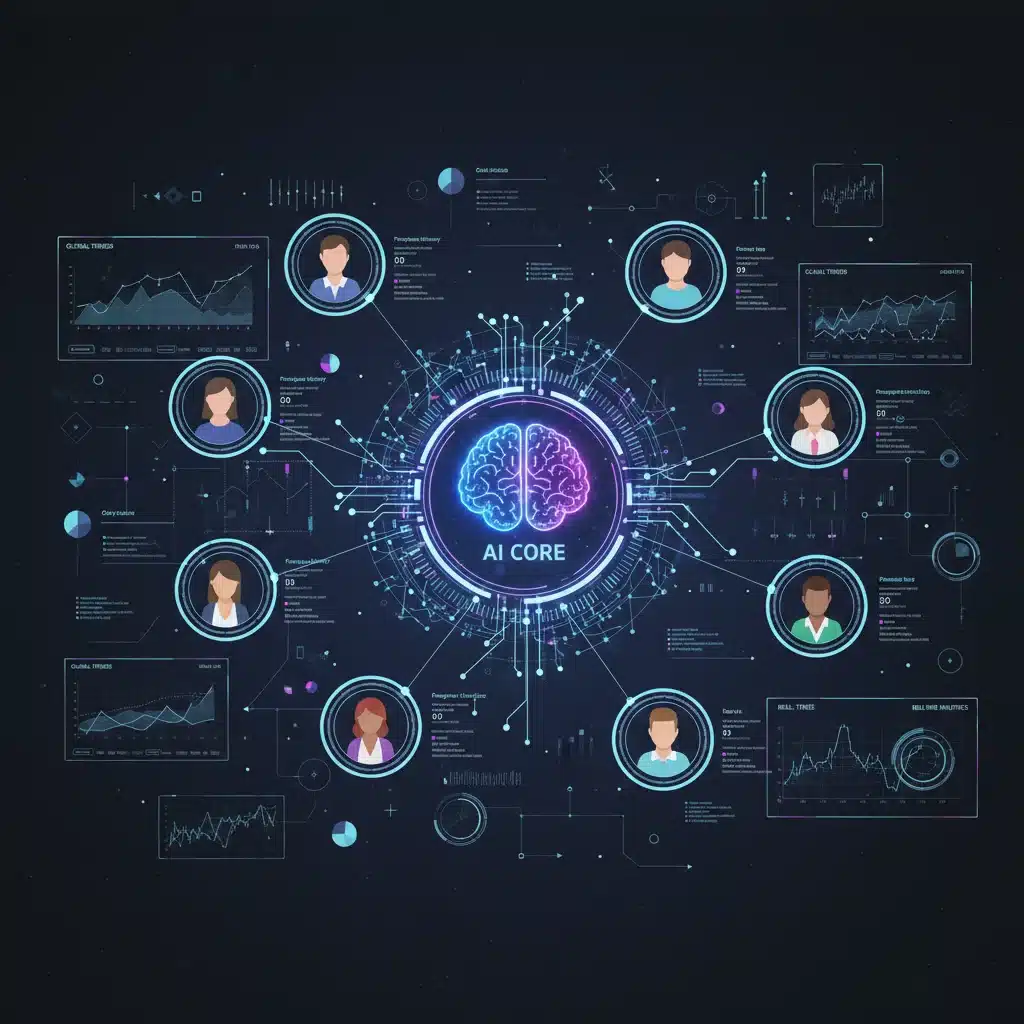
AI hyper personalization takes personalization to an entirely new level. It’s not just about knowing a customer’s name; it’s about understanding their deepest desires, predicting their next move, and anticipating their needs before they even articulate them. This is achieved through the sophisticated application of artificial intelligence, machine learning (ML), and big data analytics.
At its core, AI hyper personalization involves:
- Real-time Data Collection and Analysis: AI systems continuously gather and process vast amounts of data from every customer touchpoint – website visits, app usage, social media interactions, purchase history, customer service inquiries, email engagement, and even external data sources.
- Advanced Predictive Analytics: Machine learning algorithms analyze this data to identify patterns, predict future behaviors, and understand individual preferences with remarkable accuracy. This goes beyond simple correlations to uncover complex relationships.
- Dynamic Content Generation and Delivery: Based on these predictions, AI systems dynamically generate and deliver highly relevant and unique content, product recommendations, offers, and communications in real-time. This content is tailored to the individual customer’s current context, mood, and intent.
- Continuous Learning and Optimization: The AI system doesn’t just apply rules; it learns from every interaction. If a recommendation leads to a conversion, the system reinforces that behavior. If it doesn’t, it adjusts its algorithms for future interactions, constantly optimizing for better results.
The result is an experience so finely tuned that it often feels intuitive, almost as if the brand knows exactly what the customer wants at any given moment. This level of understanding and responsiveness is what drives exceptional customer satisfaction and, crucially, higher conversion rates.
The Core Pillars of Effective AI Hyper Personalization
Implementing successful AI hyper personalization requires a robust infrastructure and a strategic approach. Several key pillars underpin this sophisticated strategy:
1. Data, Data, Everywhere: The Fuel for AI
The success of any AI hyper personalization initiative hinges on the quality and quantity of data. This includes:
- Behavioral Data: Clicks, page views, time spent, search queries, cart abandonment, app usage.
- Transactional Data: Purchase history, order value, frequency, product categories.
- Demographic Data: Age, gender, location, income (where available and consented).
- Psychographic Data: Interests, values, lifestyle (often inferred from behavior or surveys).
- Contextual Data: Device type, time of day, weather, referral source.
- Interaction Data: Email opens, click-throughs, customer service chat logs, social media engagement.
Gathering, cleaning, and integrating this diverse data from various silos is the foundational step. A Customer Data Platform (CDP) often plays a crucial role here, unifying customer data into a single, comprehensive profile.
2. Advanced Machine Learning Algorithms
At the heart of AI hyper personalization are sophisticated ML algorithms. These include:
- Recommendation Engines: Collaborative filtering, content-based filtering, hybrid models to suggest products, content, or services.
- Predictive Analytics: Algorithms that forecast future behaviors, such as churn risk, likelihood to purchase, or next best action.
- Natural Language Processing (NLP): To understand customer queries, sentiment in reviews, and personalize conversational AI.
- Reinforcement Learning: Systems that learn through trial and error, continuously optimizing personalization strategies based on real-time feedback.
3. Real-time Decisioning and Delivery
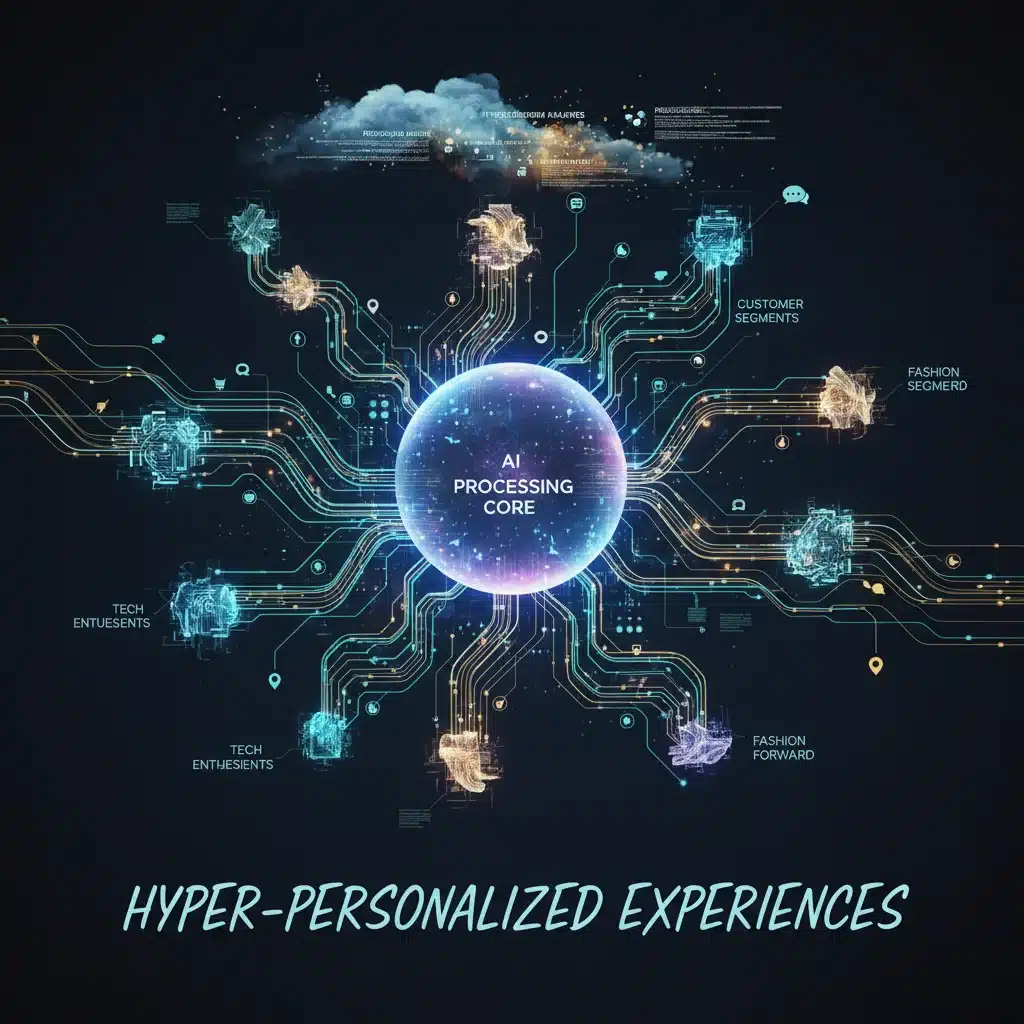
The ability to analyze data and make personalized decisions in milliseconds is critical. If a customer adds an item to their cart, browses a specific category, or shows signs of hesitation, the AI system must react instantly. This means:
- Dynamic Website Content: Changing hero banners, product displays, and calls-to-action based on real-time behavior.
- Personalized Email Triggers: Sending follow-up emails with relevant content based on recent interactions.
- Customized App Experiences: Altering app layouts or notifications based on user preferences and context.
Measuring Success: The 15% Conversion Rate Boost
The promise of a 15% conversion rate boost isn’t hyperbole; it’s a realistic target for businesses that strategically implement AI hyper personalization. How does this translate into tangible results?
Increased Engagement and Time on Site
When content is highly relevant, customers spend more time interacting with your brand. They click on more links, browse more products, and consume more content because it directly addresses their interests. This increased engagement naturally leads to a higher likelihood of conversion.
Reduced Cart Abandonment
AI hyper personalization can identify customers at risk of abandoning their carts and intervene with targeted offers, reminders, or personalized assistance. This proactive approach can significantly reduce abandonment rates, directly impacting conversions.
Higher Average Order Value (AOV)
By providing intelligent product recommendations, cross-selling, and up-selling opportunities tailored to individual preferences, AI can encourage customers to purchase more items or higher-value products, boosting AOV.
Improved Customer Loyalty and Lifetime Value (CLTV)
Customers who feel understood and valued are more likely to return. AI hyper personalization fosters a sense of loyalty, leading to repeat purchases and a higher CLTV. Loyal customers are also more likely to advocate for your brand, generating valuable word-of-mouth referrals.
Optimized Marketing Spend
By delivering the right message to the right person at the right time, marketing efforts become far more efficient. This reduces wasted ad spend on irrelevant impressions and increases the ROI of your campaigns, contributing to better conversion efficiency.
Competitive Differentiation
In a crowded market, providing a superior, personalized customer experience can be a powerful differentiator. Businesses leveraging AI hyper personalization stand out, attracting and retaining customers more effectively than competitors offering generic experiences.
Strategies for Implementing AI Hyper Personalization
Ready to embark on your AI hyper personalization journey? Here are key strategies to consider:
1. Start with a Clear Objective
Don’t personalize for the sake of it. Define what you want to achieve. Is it to reduce cart abandonment? Increase average order value? Improve content consumption? A clear objective will guide your data collection and AI model selection.
2. Invest in Data Infrastructure
A robust Customer Data Platform (CDP) is often essential. It unifies data from various sources, creating a single, comprehensive view of each customer. This clean, integrated data is the lifeblood of effective AI.
3. Implement AI-Powered Recommendation Engines
This is one of the most common and effective applications of AI hyper personalization. Use AI to recommend products, articles, videos, or services based on past behavior, similar user preferences, and real-time context. Implement these across your website, emails, and app.
4. Leverage Dynamic Content Optimization
Use AI to dynamically adjust website elements (banners, calls-to-action, product listings, even entire page layouts) based on individual user profiles and real-time interaction. A/B test different AI-driven variations to continuously improve performance.
5. Personalize Email and Marketing Automation
Move beyond basic merge tags. Use AI to personalize email subject lines, content blocks, product suggestions, and send times. Implement AI-driven triggers for abandoned carts, browse abandonment, or milestone celebrations with truly tailored offers.
6. Integrate AI into Customer Service
AI-powered chatbots and virtual assistants can provide personalized support, answer common questions, and even guide customers through complex processes based on their past interactions and preferences. This frees up human agents for more complex issues.
7. Focus on Contextual Personalization
Consider factors beyond just past behavior. Leverage real-time contextual data like device, location, time of day, and even weather to deliver even more relevant experiences. For example, a clothing retailer might promote rain gear on a rainy day or swimwear for someone browsing from a beach destination.
8. Prioritize Privacy and Transparency
As you collect and use customer data, ensure you are compliant with regulations like GDPR and CCPA. Be transparent with your customers about how their data is used and provide clear opt-out options. Trust is paramount for successful personalization.
9. Iterate and Optimize Continuously
AI hyper personalization is not a one-time setup; it’s an ongoing process. Continuously monitor performance metrics, analyze user feedback, and refine your AI models. The more data the AI processes, the smarter and more effective it becomes.
Real-World Examples of AI Hyper Personalization in Action
Many industry leaders are already reaping the rewards of AI hyper personalization:
- Netflix: Famous for its recommendation engine, Netflix uses AI to suggest movies and TV shows based on viewing history, ratings, and even the time of day a user watches. This drives engagement and reduces churn.
- Amazon: Their ‘Customers who bought this also bought…’ and ‘Recommended for you’ sections are powered by sophisticated AI, contributing significantly to their sales.
- Spotify: Creates personalized playlists like ‘Discover Weekly’ and ‘Daily Mixes’ based on listening habits, introducing users to new music they are highly likely to enjoy.
- Starbucks: Uses AI to personalize offers and promotions delivered through its mobile app, based on past purchases, location, and even time of day, encouraging repeat visits.
- Sephora: Leverages AI to provide personalized product recommendations and beauty advice, creating a highly engaging and tailored shopping experience for its customers.
These examples demonstrate that AI hyper personalization is not just for tech giants. With the right tools and strategy, businesses of all sizes can implement similar approaches to drive significant growth.

Overcoming Challenges in AI Hyper Personalization
While the benefits are compelling, implementing AI hyper personalization comes with its own set of challenges:
1. Data Silos and Integration
Many organizations struggle with fragmented data spread across different systems. Integrating these disparate data sources into a unified view is often the first major hurdle.
2. Data Quality and Governance
Poor data quality (inaccurate, incomplete, or outdated data) can severely hamper the effectiveness of AI algorithms. Establishing robust data governance policies is crucial.
3. Technical Expertise and Resources
Developing and managing AI models requires specialized skills in data science, machine learning, and software engineering. Smaller businesses may need to rely on external vendors or platforms.
4. Privacy Concerns and Trust
Customers are increasingly aware of their data privacy. Businesses must be transparent about data usage and ensure compliance with privacy regulations to maintain trust.
5. Avoiding the ‘Creepy’ Factor
There’s a fine line between helpful personalization and intrusive surveillance. AI systems must be designed to enhance the customer experience without making them feel watched or manipulated.
6. Scalability
As your business grows and customer interactions multiply, your AI hyper personalization system must be able to scale efficiently to handle increasing data volumes and processing demands.
Addressing these challenges proactively is key to a successful AI hyper personalization strategy. Investing in the right technology, talent, and ethical frameworks will pave the way for sustainable growth.
The Future is Personalized: Preparing for 2026 and Beyond
The prediction of a 15% conversion rate increase by 2026 is not an arbitrary number; it’s a conservative estimate based on the accelerating adoption and sophistication of AI hyper personalization technologies. As AI continues to evolve, its ability to understand and predict human behavior will only become more refined. We can expect to see:
- Even More Granular Personalization: Moving beyond segments to true ‘segment of one’ experiences across all channels.
- Proactive AI: Systems that anticipate needs and offer solutions before the customer even realizes they have a problem.
- Emotional AI: AI capable of detecting and responding to customer emotions, tailoring interactions for empathy and relevance.
- Hyper-Personalized Journeys: Entire customer journeys, from discovery to post-purchase support, becoming seamlessly and uniquely tailored.
- Ethical AI Frameworks: Increased focus on developing and deploying AI responsibly, with strong ethical guidelines and transparent practices.
Businesses that embrace AI hyper personalization now will not only secure a competitive edge but also build stronger, more loyal customer relationships that will stand the test of time. The investment in AI is an investment in the future of your customer experience and, by extension, the sustained growth of your enterprise.
Conclusion: Seize the Opportunity with AI Hyper Personalization
The digital marketplace is no longer a place for generic interactions. Customers demand and expect experiences that are relevant, timely, and deeply personal. AI hyper personalization is the engine that drives this new era of customer engagement, offering a powerful pathway to significantly boost your conversion rates and foster unparalleled customer loyalty.
By understanding the nuances of AI hyper personalization, investing in the right data infrastructure, and strategically deploying advanced machine learning, your business can unlock incredible growth potential. The 15% conversion rate increase isn’t just a possibility; it’s an achievable goal for those who are ready to embrace the future of marketing today.
Don’t wait until 2026 to realize the full potential of this transformative technology. Start planning your AI hyper personalization strategy now, and position your brand at the forefront of customer-centric innovation. Your customers, and your bottom line, will thank you for it.