AI-Driven Hyper-Personalization: Achieving 30% Higher Conversion Rates in E-commerce by 2026
AI-Driven Hyper-Personalization: Achieving 30% Higher Conversion Rates in E-commerce by 2026
In the rapidly evolving landscape of e-commerce, staying competitive means not just meeting customer expectations, but anticipating and exceeding them. The key to unlocking this next level of customer engagement and revenue growth lies in AI personalization e-commerce. We are on the cusp of a revolution where artificial intelligence (AI) is transforming the way businesses interact with their customers, moving beyond simple segmentation to true hyper-personalization. This shift is not merely an incremental improvement; it’s a paradigm change poised to deliver staggering results, with projections indicating that businesses leveraging AI-driven hyper-personalization could achieve 30% higher conversion rates in e-commerce by 2026.
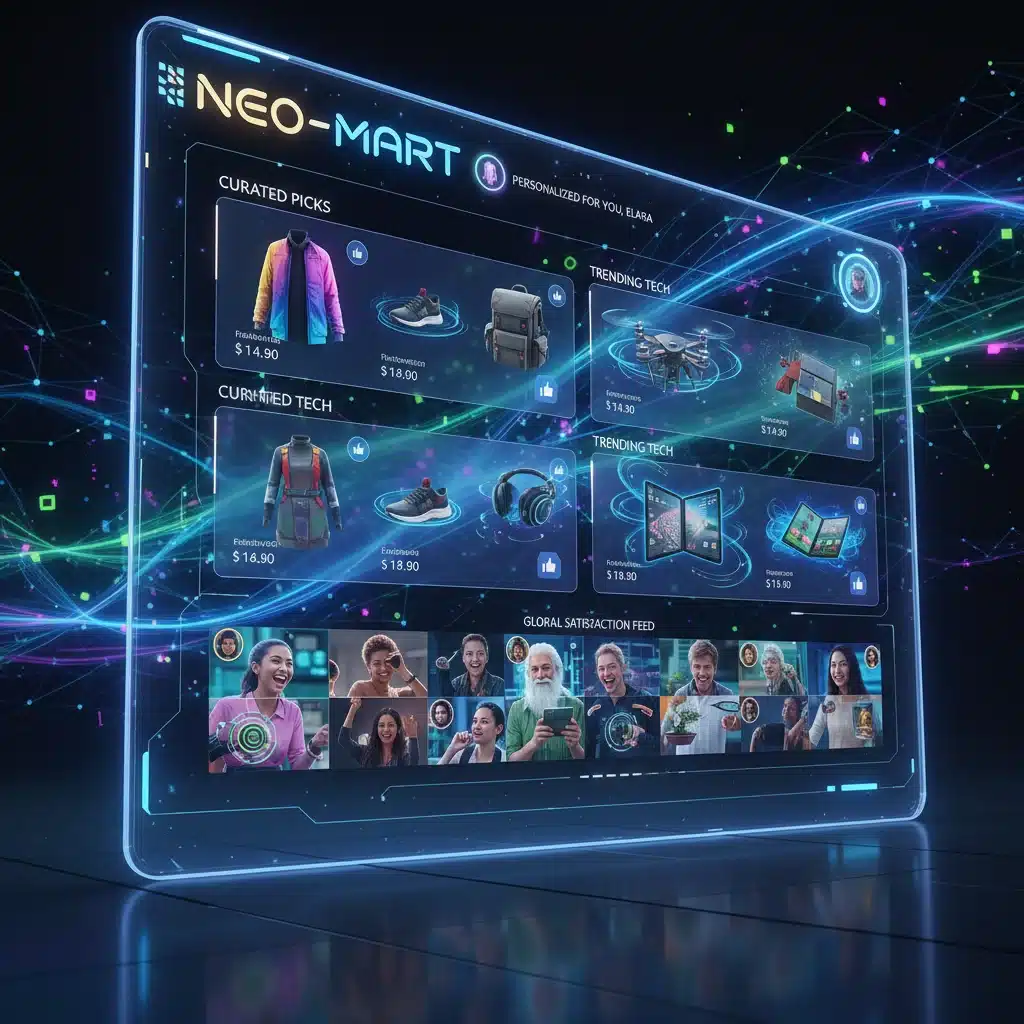
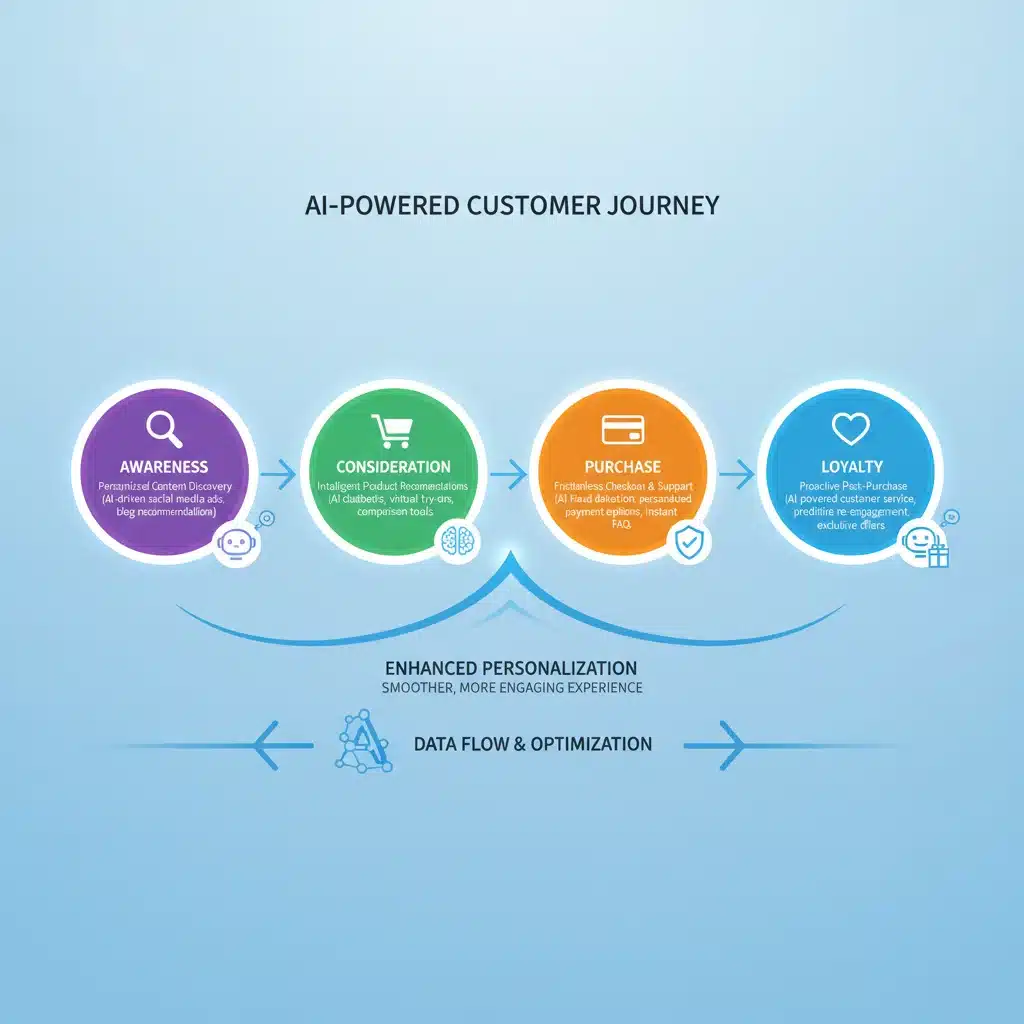
The modern consumer is bombarded with choices and information. Generic marketing messages and one-size-fits-all approaches no longer cut through the noise. Today’s shoppers crave experiences that feel uniquely tailored to their needs, preferences, and behaviors. This is where AI steps in, offering the computational power and analytical capabilities to process vast amounts of data and deliver truly individualized experiences at scale. From personalized product recommendations and dynamic pricing to custom content and intelligent chatbots, AI is reshaping every touchpoint of the customer journey.
This comprehensive guide will delve deep into the world of AI-driven hyper-personalization in e-commerce. We will explore what it entails, why it’s becoming indispensable, the technologies that power it, and practical strategies for implementation. Our goal is to equip e-commerce businesses with the knowledge and tools to harness the full potential of AI, not just to survive, but to thrive and achieve significant increases in conversion rates and customer loyalty in the coming years.
Understanding Hyper-Personalization: Beyond Traditional Personalization
Before we dive into the ‘how,’ it’s crucial to distinguish hyper-personalization from its predecessor, traditional personalization. While traditional personalization often relies on broad demographic data, past purchase history, or basic segmentation to offer somewhat relevant content or product suggestions, hyper-personalization takes this to an entirely new level. It’s about creating a truly unique, one-to-one experience for each customer, in real-time, across all channels.
Hyper-personalization leverages advanced AI and machine learning (ML) algorithms to analyze a much richer, deeper, and more dynamic dataset. This includes:
- Real-time Behavioral Data: Clicks, scrolls, search queries, time spent on pages, abandoned carts, mouse movements, and even eye-tracking data (where available).
- Contextual Data: Location, device type, time of day, weather, current events, and even local trends.
- Psychographic Data: inferred interests, values, lifestyle, and personality traits based on online activity and social media interactions.
- Transactional Data: Comprehensive purchase history, return patterns, preferred payment methods, and average order value.
- Interaction Data: Chatbot conversations, email opens, customer service interactions, and feedback.
By synthesizing these diverse data points, AI can build incredibly detailed customer profiles, predict future behaviors with remarkable accuracy, and deliver highly relevant content, offers, and experiences that resonate deeply with individual shoppers. This level of understanding and responsiveness is what differentiates hyper-personalization and makes it such a powerful driver for AI personalization e-commerce success.
The Indispensable Role of AI in E-commerce Conversion Rates
Why is AI personalization e-commerce so critical for conversion rates? The answer lies in its ability to address common pain points in the online shopping experience and optimize every stage of the customer journey. When customers feel understood and valued, they are more likely to engage, explore, and ultimately, convert.
Enhanced Product Discovery and Recommendations
One of the most immediate impacts of AI is in product recommendations. Gone are the days of generic “customers who bought this also bought that” suggestions. AI algorithms, powered by collaborative filtering, content-based filtering, and deep learning, can analyze complex patterns to recommend products that are not only relevant but also surprising and delightful. This includes:
- Personalized Homepages: Dynamically generated homepages that display products, categories, and promotions most likely to appeal to the individual visitor upon arrival.
- Intelligent Search Results: Search functions that understand user intent beyond keywords, offering more accurate and personalized results.
- “Next Best Offer” Suggestions: AI identifies the most opportune moment and product to offer a customer, whether it’s a complementary item, an upgrade, or a personalized discount.
By making product discovery effortless and enjoyable, AI significantly reduces friction in the buying process, leading to higher engagement and increased conversion probability.
Optimized Pricing and Promotions
Dynamic pricing, driven by AI, is another powerful tool for conversion. AI can analyze real-time demand, competitor pricing, inventory levels, and individual customer’s price sensitivity to offer optimized prices and personalized discounts. This ensures that products are priced competitively and that promotions are offered to customers who are most likely to respond, maximizing both conversion and profit margins.
Streamlined User Experience and Navigation
AI contributes to a smoother, more intuitive user experience in numerous ways:
- Personalized Navigation Paths: AI can adapt website layouts and navigation menus based on a user’s past behavior and inferred preferences, making it easier for them to find what they’re looking with.
- Smart Chatbots and Virtual Assistants: AI-powered chatbots can provide instant, personalized support, answer queries, guide customers through their purchases, and even offer product recommendations, reducing the need for human intervention and improving customer satisfaction.
- Predictive Merchandising: AI can predict which products will be popular, allowing e-commerce businesses to strategically place them on pages where they are most likely to be seen and purchased.
Reduced Cart Abandonment
Cart abandonment is a perennial challenge for e-commerce businesses. AI can help combat this by:
- Personalized Reminders: Sending timely, personalized email or push notifications for abandoned carts, sometimes including a tailored incentive based on the customer’s profile.
- Identifying Abandonment Triggers: AI can analyze patterns to understand why customers abandon carts (e.g., shipping costs, complex checkout process) and suggest proactive solutions.
By addressing these issues proactively and reactively with personalized solutions, AI directly contributes to a significant uplift in conversion rates.
Key Technologies Powering AI-Driven Hyper-Personalization
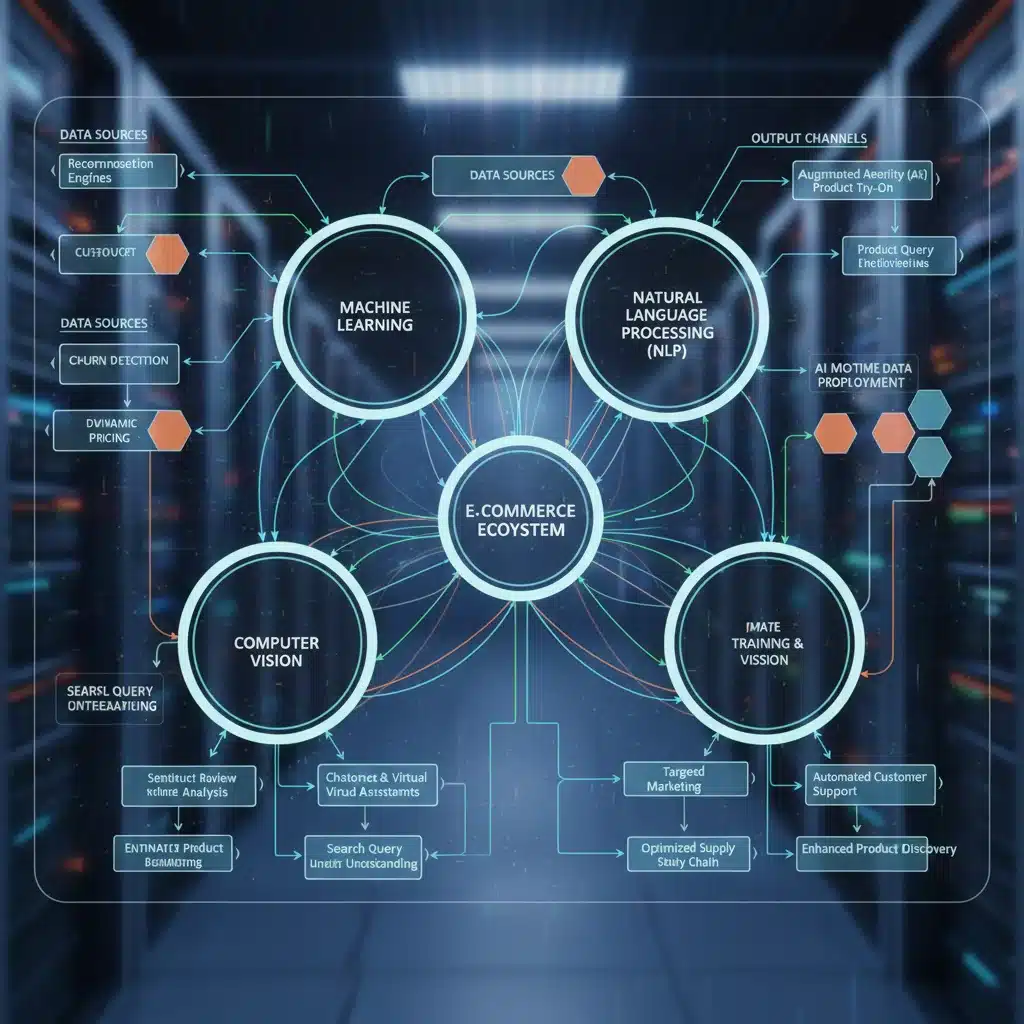
Achieving sophisticated AI personalization e-commerce requires a robust technological foundation. Several key AI and ML disciplines converge to make hyper-personalization a reality:
Machine Learning (ML)
At the core of hyper-personalization are various machine learning algorithms. These algorithms learn from data without being explicitly programmed, identifying patterns and making predictions. Key ML techniques include:
- Supervised Learning: Used for tasks like predicting customer churn or classifying customer segments based on labeled data.
- Unsupervised Learning: Applied to discover hidden patterns and structures in unlabeled data, such as clustering customers into new segments based on their behavior.
- Reinforcement Learning: Can be used to optimize recommendation engines by learning which recommendations lead to positive outcomes (e.g., purchases, longer session times).
- Deep Learning: A subset of ML that uses neural networks with multiple layers to process complex data, ideal for understanding natural language, image recognition, and highly nuanced behavioral patterns.
Natural Language Processing (NLP)
NLP enables AI systems to understand, interpret, and generate human language. This is crucial for:
- Chatbots and Virtual Assistants: Allowing them to engage in natural, human-like conversations, understand customer queries, and provide relevant responses.
- Sentiment Analysis: Analyzing customer reviews, social media comments, and feedback to gauge sentiment and identify areas for improvement.
- Content Personalization: Understanding the topics and tone of content that resonates most with individual users.
Computer Vision
Computer vision allows AI to ‘see’ and interpret images and videos. In e-commerce, it can be used for:
- Visual Search: Allowing customers to upload an image of a product and find similar items in the store’s inventory.
- Personalized Visual Merchandising: Optimizing how products are displayed based on individual customer preferences for aesthetics or style.
- Automated Product Tagging: Efficiently categorizing and tagging products based on their visual attributes.
Big Data Analytics
Hyper-personalization thrives on data. Big data analytics tools and platforms are essential for collecting, processing, storing, and analyzing the enormous volumes of structured and unstructured data generated by customer interactions. This includes data lakes, data warehouses, and real-time data streaming technologies.
Real-time Data Processing
For hyper-personalization to be effective, insights must be generated and acted upon in real-time. Technologies like Apache Kafka, Apache Flink, and other stream processing frameworks enable businesses to capture, analyze, and respond to customer actions instantaneously, ensuring that recommendations and experiences are always current and relevant.
Strategies for Implementing AI-Driven Hyper-Personalization
Implementing AI personalization e-commerce is a strategic undertaking that requires careful planning and execution. Here are key strategies to consider:
1. Define Clear Objectives and KPIs
Before embarking on any AI initiative, clearly define what you aim to achieve. Is it a 30% increase in conversion rates, a reduction in cart abandonment, improved customer lifetime value (CLTV), or enhanced customer satisfaction? Establish measurable Key Performance Indicators (KPIs) to track progress and demonstrate ROI.
2. Build a Robust Data Infrastructure
Data is the lifeblood of AI. Ensure you have a unified, accessible, and clean data infrastructure. This involves integrating data from various sources (CRM, ERP, website analytics, social media, customer service platforms) into a centralized data lake or warehouse. Invest in data governance to ensure data quality, privacy, and security.
3. Start Small, Scale Gradually
Don’t try to hyper-personalize everything at once. Begin with a pilot project in a specific area, such as personalized product recommendations on the homepage or targeted email campaigns. Learn from these initial implementations, refine your models, and then gradually expand to other touchpoints and use cases. This iterative approach minimizes risk and allows for continuous improvement.
4. Leverage AI-Powered Recommendation Engines
Invest in or develop sophisticated AI recommendation engines. These should go beyond simple ‘collaborative filtering’ to incorporate deep learning models that can understand complex user preferences, context, and even emotional states. Ensure these engines can provide recommendations across various channels, including website, email, mobile app, and even in-store (if applicable).
5. Implement Dynamic Content and Pricing
Use AI to dynamically adjust website content, landing pages, and product displays based on individual user profiles and real-time behavior. Similarly, employ AI for dynamic pricing and personalized promotions, ensuring that each customer sees the most relevant offers at the optimal price point.
6. Integrate AI Chatbots and Virtual Assistants
Deploy AI-powered chatbots on your website and messaging platforms to provide instant, personalized support. These chatbots can answer FAQs, guide customers through the buying process, and even proactively offer relevant products or information based on conversation context. This enhances customer service and frees up human agents for more complex issues.
7. Personalize Across All Channels (Omnichannel)
True hyper-personalization extends beyond a single channel. Strive for an omnichannel approach where the personalized experience is consistent and seamless whether a customer interacts with your brand on your website, mobile app, email, social media, or even in a physical store. AI can stitch together these disparate interactions to create a unified customer view.
8. Focus on Privacy and Transparency
While collecting and using customer data is essential, privacy and trust are paramount. Be transparent with your customers about what data you collect and how it’s used to enhance their experience. Ensure compliance with data protection regulations like GDPR and CCPA. Giving customers control over their data preferences can build greater trust and loyalty.
9. Continuously Monitor, Analyze, and Optimize
AI models are not static; they require continuous monitoring and optimization. Regularly analyze the performance of your personalization efforts against your defined KPIs. Use A/B testing and multivariate testing to experiment with different personalization strategies and refine your algorithms. The goal is continuous learning and improvement.
The Future is Now: Case Studies and Projections
The impact of AI personalization e-commerce is already evident across various industries. Leading brands are showcasing remarkable results:
- Netflix: Famously uses AI to personalize content recommendations, which is estimated to save the company over $1 billion per year in customer retention. Their personalization engine is so effective that 80% of watched content is discovered through recommendations.
- Amazon: A pioneer in AI-driven personalization, Amazon’s recommendation engine is responsible for a significant portion of its sales. Their ability to predict what customers want, sometimes even before they know it, is a cornerstone of their success.
- Starbucks: Uses AI to personalize offers through its mobile app, analyzing customer preferences, purchase history, and even local weather to suggest relevant drinks and food items, driving increased engagement and sales.
- Sephora: Leverages AI-powered virtual try-on tools and personalized beauty recommendations to enhance the customer experience both online and in-store, leading to higher conversion and customer satisfaction.
These examples underscore the transformative power of AI in creating highly engaging and profitable customer experiences. Projections for 2026 and beyond suggest that the gap between businesses that embrace hyper-personalization and those that don’t will widen significantly. Companies that invest in AI now will be well-positioned to capture a larger market share, foster deeper customer loyalty, and achieve the predicted 30% higher conversion rates.
Challenges and Considerations in Adopting AI Personalization E-commerce
While the benefits are clear, implementing AI personalization e-commerce is not without its challenges. Businesses need to be aware of and prepared to address these:
Data Quality and Volume
AI models are only as good as the data they’re trained on. Poor data quality (inaccurate, incomplete, or inconsistent data) can lead to biased or ineffective personalization. Additionally, collecting and managing the vast volumes of data required for hyper-personalization can be a significant undertaking, requiring robust infrastructure and data governance strategies.
Integration Complexities
Integrating AI solutions with existing e-commerce platforms, CRM systems, marketing automation tools, and other business applications can be complex. Ensuring seamless data flow and interoperability across disparate systems is crucial for a unified personalized experience.
Talent Gap
Developing, deploying, and maintaining AI solutions requires specialized skills in data science, machine learning engineering, and AI ethics. Many organizations face a talent gap in these areas, making it challenging to build internal AI capabilities. Partnering with AI solution providers or investing in upskilling existing teams can help bridge this gap.
Ethical Considerations and Bias
AI models can inadvertently perpetuate or amplify existing biases present in the training data. This can lead to unfair or discriminatory personalization, damaging brand reputation. Businesses must prioritize ethical AI development, regularly audit models for bias, and ensure transparency in how AI is used.
Cost of Implementation
The initial investment in AI infrastructure, software, and talent can be substantial. While the long-term ROI is significant, businesses need to plan their budgets carefully and demonstrate early wins to secure continued investment.
Maintaining the Human Touch
While AI excels at personalization at scale, it’s essential not to lose the human touch. Hyper-personalization should augment, not replace, genuine human interaction. Balancing AI-driven efficiency with authentic customer service is key to building lasting relationships.
Conclusion: The Imperative of AI Personalization in E-commerce
The future of e-commerce is undeniably personalized, and AI is the engine driving this transformation. For businesses aiming to not only survive but thrive in an increasingly competitive digital landscape, embracing AI personalization e-commerce is no longer an option but an imperative. By 2026, the brands that have successfully integrated AI into their customer experience strategies will be the ones reaping the rewards of significantly higher conversion rates, stronger customer loyalty, and a distinct competitive advantage.
The journey to hyper-personalization requires a strategic vision, a commitment to data excellence, and a willingness to innovate. While challenges exist, the immense benefits—from enhanced product discovery and optimized pricing to streamlined user experiences and reduced cart abandonment—far outweigh the hurdles. By focusing on customer-centricity, leveraging the power of AI, and continuously optimizing their approach, e-commerce businesses can unlock unprecedented levels of growth and create truly unforgettable shopping experiences for every individual customer.
Start your AI personalization journey today, and position your e-commerce business at the forefront of innovation, ready to capture the projected 30% increase in conversion rates and build a future where every customer interaction is a personalized delight.