AI Personalization: 20% Conversion Boost for US Businesses by 2026
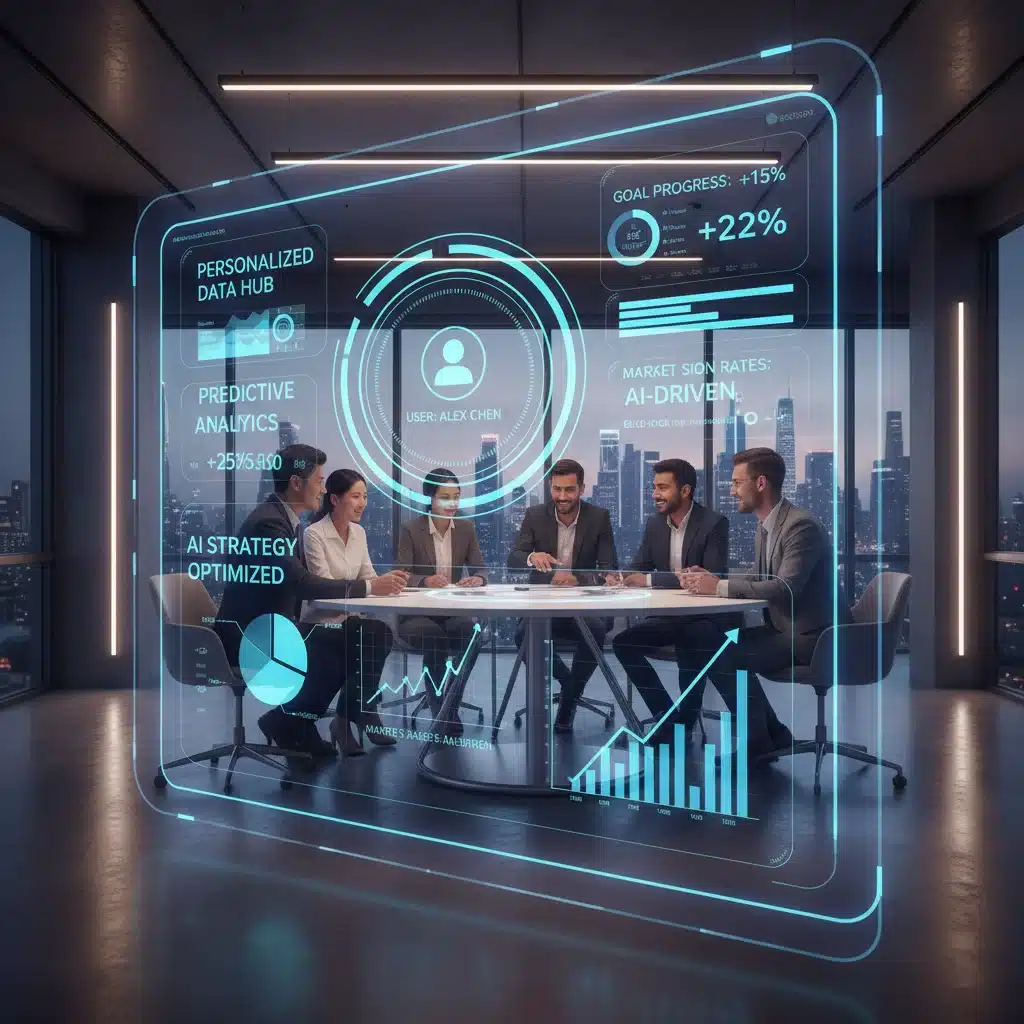
Leveraging AI-Driven Personalization: A Guide to Achieving a 20% Conversion Rate Increase for US Businesses by 2026
In today’s hyper-competitive digital landscape, US businesses are constantly seeking innovative strategies to stand out, engage customers, and ultimately drive growth. The answer, increasingly, lies in the intelligent application of technology, specifically AI personalization. Artificial Intelligence (AI) is no longer a futuristic concept but a present-day imperative, transforming how businesses interact with their customers. This comprehensive guide will delve into how US businesses can strategically leverage AI-driven personalization to achieve a significant 20% conversion rate increase by 2026, outlining the benefits, implementation strategies, and best practices.
The Unstoppable Rise of AI Personalization in Business
The modern consumer expects more than just a product or service; they demand a tailored experience that anticipates their needs and preferences. Generic marketing messages and one-size-fits-all approaches are rapidly becoming obsolete. This is where AI personalization steps in, offering an unprecedented ability to understand individual customer behaviors, predict future actions, and deliver highly relevant content, offers, and interactions at scale.
Why Personalization Matters More Than Ever
- Increased Customer Expectations: Consumers are accustomed to personalized experiences from leading tech companies and expect the same from all brands.
- Information Overload: In an era of constant digital noise, personalized content cuts through the clutter, capturing attention more effectively.
- Competitive Advantage: Businesses that fail to personalize risk falling behind competitors who embrace AI-driven strategies.
- Data-Driven Decisions: AI leverages vast amounts of data to provide insights that human analysis alone cannot achieve, leading to more informed and effective personalization efforts.
For US businesses aiming for a 20% conversion rate increase by 2026, embracing AI personalization is not merely an option but a strategic necessity. It’s about building deeper relationships with customers, fostering loyalty, and optimizing every touchpoint in the customer journey.
Defining AI-Driven Personalization for Conversion Enhancement
At its core, AI personalization refers to the use of artificial intelligence and machine learning algorithms to analyze customer data and deliver highly relevant and unique experiences to each individual. This goes beyond simple segmentation; it’s about understanding the nuances of individual preferences, behaviors, and contexts in real-time.
Key Components of AI Personalization
- Data Collection and Analysis: AI systems collect and process vast quantities of data from various sources, including browsing history, purchase history, demographic information, social media interactions, and real-time behavior.
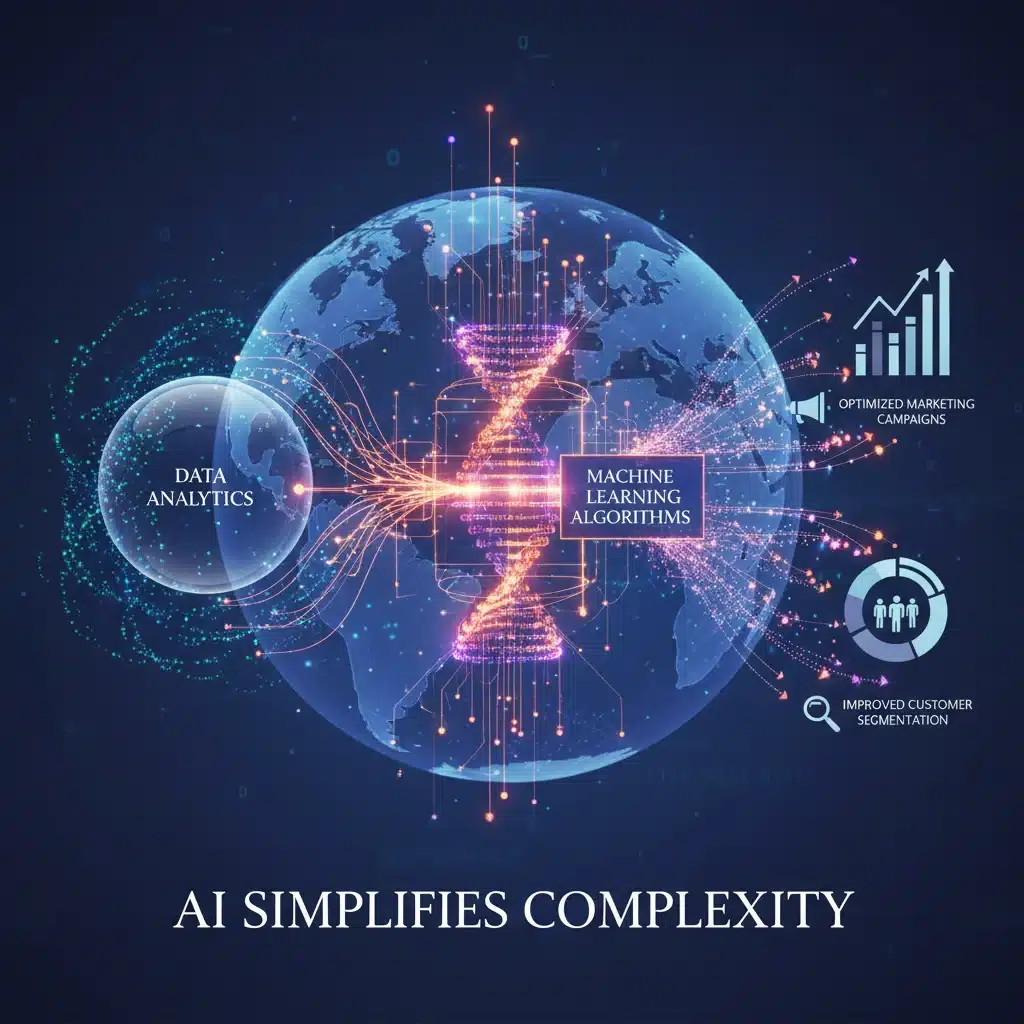
- Machine Learning Algorithms: These algorithms identify patterns, predict future actions, and learn from past interactions to continuously refine personalization strategies.
- Real-time Adaptation: AI can dynamically adjust content, recommendations, and offers based on a user’s immediate actions and evolving preferences.
- Cross-Channel Consistency: Ensuring a consistent personalized experience across all customer touchpoints, from website to email to mobile app.
The goal of AI personalization, especially when focused on conversion, is to guide the customer seamlessly through their journey, removing friction, and presenting them with the most compelling reasons to act. This could be completing a purchase, signing up for a newsletter, or engaging with specific content.
The Path to a 20% Conversion Rate Increase: Strategic Implementation
Achieving a 20% conversion rate increase by 2026 through AI personalization requires a structured and strategic approach. It’s not about implementing a single tool but rather integrating AI capabilities across various aspects of your business.
Step 1: Define Clear Objectives and KPIs
Before diving into AI, articulate what a 20% conversion rate increase means for your business. Is it a 20% increase in e-commerce sales, lead generation, or subscription sign-ups? Define specific Key Performance Indicators (KPIs) that will measure your progress.
Step 2: Audit Your Data Infrastructure
AI thrives on data. Assess your current data collection capabilities. Do you have a centralized customer data platform (CDP)? Are your data sources integrated? Identify gaps and develop a plan to consolidate and clean your data to ensure it’s accurate, comprehensive, and accessible for AI algorithms.
Step 3: Choose the Right AI Tools and Platforms
The market is flooded with AI personalization tools. Research and select platforms that align with your business needs, budget, and existing tech stack. Consider solutions for:
- Personalized Product Recommendations: For e-commerce, suggesting relevant products based on browsing and purchase history.
- Dynamic Content Optimization: Tailoring website content, landing pages, and email campaigns to individual users.
- Predictive Analytics: Forecasting customer behavior, identifying at-risk customers, and predicting churn.
- Chatbots and Virtual Assistants: Providing personalized customer support and guiding users through sales funnels.
- Personalized Search and Navigation: Making it easier for users to find what they’re looking for on your site.
Step 4: Start Small, Scale Gradually
Don’t try to personalize everything at once. Begin with a pilot project in a specific area, such as email marketing or product recommendations. Measure the impact, learn from the results, and then gradually expand your AI personalization efforts across other channels and customer touchpoints.
Key Areas for AI-Driven Personalization to Boost Conversions
To truly achieve a 20% conversion rate increase, US businesses must focus their AI personalization efforts on several critical areas:
1. Website and App Personalization
Your website and mobile app are often the first points of contact for customers. AI can transform these platforms into dynamic, responsive experiences:
- Personalized Homepages: Displaying content, products, and promotions most relevant to a returning visitor.
- Dynamic Product/Service Recommendations: Using collaborative filtering and content-based filtering to suggest items similar to past purchases or browsing behavior.
- Tailored Navigation: Adjusting menu options or search results based on user preferences.
- Behavioral Pop-ups and Offers: Presenting targeted offers or calls to action based on real-time user behavior (e.g., exit-intent pop-ups with personalized discounts).
2. Email Marketing Personalization
Email remains one of the most effective marketing channels, and AI can elevate its impact significantly:
- Personalized Subject Lines: AI can analyze engagement data to craft subject lines that resonate most with individual recipients.
- Dynamic Email Content: Inserting personalized product recommendations, relevant articles, or special offers directly into email bodies.
- Optimized Send Times: Sending emails at the exact time an individual is most likely to open and engage.
- Automated Drip Campaigns: Triggering personalized email sequences based on specific user actions (e.g., abandoned cart reminders with tailored product suggestions).
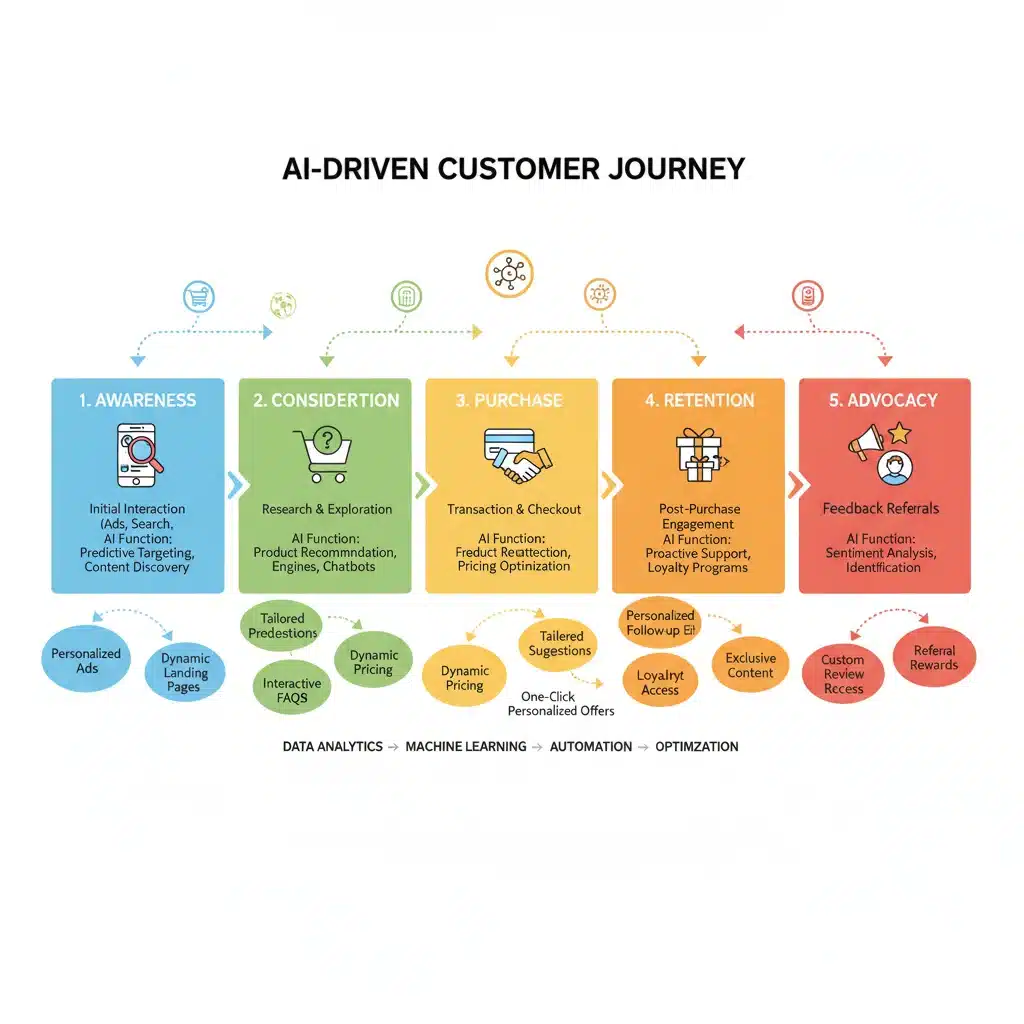
3. Customer Service and Support
AI-powered chatbots and virtual assistants can provide instant, personalized support, freeing up human agents for more complex issues:
- 24/7 Availability: Addressing common queries and providing instant solutions, improving customer satisfaction.
- Personalized Troubleshooting: Guiding users through solutions based on their purchase history or reported issues.
- Proactive Support: Identifying potential issues before they arise and offering solutions.
- Lead Qualification: Chatbots can also qualify leads by asking personalized questions and routing them to the appropriate sales representative.
4. Personalization in Advertising and Retargeting
AI allows for highly targeted advertising campaigns that maximize ROI and improve conversion rates:
- Dynamic Creative Optimization (DCO): Automatically generating variations of ads with personalized images, headlines, and calls to action for different audience segments.
- Predictive Audiences: Using AI to identify users most likely to convert based on their online behavior and demographic data.
- Personalized Retargeting: Showing ads for products or services a user has previously viewed or shown interest in, often with a personalized incentive.
Measuring Success: KPIs for AI Personalization Conversion
To confirm that your AI personalization efforts are indeed leading to a 20% conversion rate increase, rigorous measurement is essential. Beyond the headline conversion rate, several other KPIs can provide deeper insights:
- Click-Through Rate (CTR): For personalized emails, recommendations, and ads.
- Average Order Value (AOV): Personalized recommendations can lead to customers purchasing more items.
- Customer Lifetime Value (CLTV): Personalization fosters loyalty, increasing the long-term value of each customer.
- Bounce Rate: A lower bounce rate on personalized landing pages indicates increased relevance.
- Time on Site/App: Engaged users spend more time interacting with personalized content.
- Customer Satisfaction (CSAT) Scores: Improved experiences generally lead to higher satisfaction.
- Reduced Churn Rate: Personalized engagement can prevent customers from leaving.
Regularly analyze these metrics and conduct A/B testing to continuously optimize your AI personalization strategies. The beauty of AI is its ability to learn and improve over time, making iterative testing crucial for maximizing its impact on conversion rates.
Challenges and Considerations for US Businesses
While the benefits of AI personalization are compelling, US businesses must also be aware of potential challenges and ethical considerations:
Data Privacy and Security
With increased data collection comes greater responsibility. Businesses must ensure compliance with data privacy regulations like CCPA and upcoming state-specific laws. Transparency with customers about data usage and robust security measures are paramount to building trust.
Integration Complexities
Integrating new AI tools with existing CRM, ERP, and marketing automation systems can be complex. Plan for potential integration challenges and consider phased implementation.
Skill Gaps
Implementing and managing AI personalization requires specialized skills in data science, machine learning, and AI ethics. US businesses may need to invest in training existing staff or hiring new talent.
Avoiding the ‘Creepy’ Factor
There’s a fine line between helpful personalization and intrusive surveillance. Businesses must use AI ethically and avoid making customers feel like their privacy is being invaded. Focus on value-add personalization rather than simply tracking every move.
Continuous Optimization
AI is not a ‘set it and forget it’ solution. Algorithms need continuous monitoring, tuning, and updating to remain effective. The market, customer preferences, and data patterns are constantly evolving.
Case Studies: AI Personalization in Action
Numerous US businesses have already seen remarkable success with AI personalization. While specific conversion uplift numbers are often proprietary, the general trend is clear:
- Netflix: Uses AI to recommend movies and TV shows, contributing significantly to its subscriber retention and engagement.
- Amazon: Pioneer in personalized product recommendations, driving a substantial portion of its sales through AI-powered suggestions.
- Starbucks: Leverages AI to personalize offers and promotions through its mobile app, increasing customer loyalty and order frequency.
- Sephora: Utilizes AI-powered virtual try-on tools and personalized product suggestions to enhance the online shopping experience.
These examples demonstrate that regardless of industry, AI personalization can be a powerful catalyst for growth and improved customer experience. The lessons learned from these leaders can be applied by any US business aiming for a 20% conversion rate increase.
The Future of AI Personalization: Trends to Watch
As we move towards 2026, several trends will shape the future of AI personalization:
- Hyper-Personalization at Scale: Moving beyond segments to truly individual experiences across all channels.
- Generative AI for Content Creation: AI will increasingly assist in generating personalized marketing copy, images, and even video content.
- Ethical AI and Transparency: Greater emphasis on ethical AI frameworks, explainable AI, and transparent data practices to build customer trust.
- Voice and Conversational AI: Personalization extending to voice assistants and conversational interfaces, offering more natural and intuitive interactions.
- Predictive Customer Service: AI anticipating customer needs and proactively offering solutions before an issue even arises.
- AI in Offline Experiences: Bridging the gap between online and offline personalization, such as in-store recommendations based on online behavior.
US businesses that stay ahead of these trends will be best positioned to not only achieve but potentially exceed the 20% conversion rate increase target by 2026.
Building a Roadmap for AI Personalization Success
To embark on this journey, US businesses should consider the following roadmap:
- Assess Current State: Evaluate existing personalization efforts, data infrastructure, and technological capabilities.
- Develop an AI Strategy: Align AI personalization goals with overall business objectives, focusing on conversion rate improvement.
- Invest in Data Foundation: Prioritize building a robust, integrated, and clean customer data platform.
- Pilot and Iterate: Start with small, manageable projects, measure results, and continuously optimize based on data.
- Foster an AI-Ready Culture: Educate employees, encourage experimentation, and adapt organizational processes to embrace AI.
- Stay Compliant and Ethical: Implement strong data governance and privacy practices from the outset.
- Monitor and Adapt: The AI landscape is dynamic; regularly review your strategy and tools to stay competitive.
By following this roadmap, US businesses can systematically integrate AI-driven personalization into their operations, laying a solid foundation for sustainable growth and a significant uplift in conversion rates.
Conclusion: The Imperative of AI Personalization for Future Growth
The aspiration for US businesses to achieve a 20% conversion rate increase by 2026 is ambitious yet entirely attainable through the strategic deployment of AI personalization. AI offers an unparalleled ability to understand, engage, and convert customers by delivering highly relevant and timely experiences. From optimizing website content and email campaigns to enhancing customer service and refining advertising, AI touches every aspect of the customer journey, making it more efficient and effective.
While challenges suchs as data privacy, integration complexities, and skill gaps exist, proactive planning and ethical implementation can mitigate these risks. The future belongs to businesses that embrace intelligence and put the customer at the center of their strategy, empowered by AI. By investing in the right technologies, fostering a data-driven culture, and continuously optimizing their personalization efforts, US businesses can not only meet but exceed their conversion goals, securing a competitive edge in the evolving digital economy.
The time to act is now. The businesses that lead with AI personalization today will be the ones celebrating significant conversion rate increases and sustained growth tomorrow. Embrace the power of AI to transform your customer interactions and unlock your business’s full potential.