Sales Funnel Optimization: Reduce Customer Acquisition Costs 2026
Financial Impact: Optimizing Your Sales Funnel in 2026 to Reduce Customer Acquisition Costs by 22%
In the dynamic landscape of modern business, the ability to efficiently acquire new customers is paramount to sustained growth and profitability. As we look towards 2026, the imperative to refine and enhance the sales funnel becomes even more critical. The goal? A significant reduction in Customer Acquisition Costs (CAC), ideally by a remarkable 22%. This isn’t merely an ambitious target; it’s a strategic necessity for businesses aiming to thrive in an increasingly competitive market. This comprehensive guide will delve into the intricacies of Sales Funnel Optimization, offering actionable strategies and insights to help your organization achieve this pivotal financial milestone.
The Evolving Sales Landscape: Why 2026 Demands a New Approach to Sales Funnel Optimization
The business world is in constant flux, driven by technological advancements, shifts in consumer behavior, and evolving market dynamics. What worked effectively in 2023 might be obsolete by 2026. Customers are savvier, more informed, and have higher expectations than ever before. They demand personalized experiences, seamless interactions, and clear value propositions. This evolution necessitates a proactive and adaptive approach to Sales Funnel Optimization. Businesses that cling to outdated methods risk inflated CAC, reduced conversion rates, and ultimately, stagnated growth.
Key Drivers for Sales Funnel Transformation in 2026:
- Hyper-Personalization: Generic messaging is no longer sufficient. Customers expect tailored content and offers.
- Data-Driven Decisions: Gut feelings are out; actionable insights derived from robust data analytics are in.
- AI and Automation: Artificial intelligence and machine learning are no longer futuristic concepts but essential tools for efficiency and effectiveness.
- Seamless Multi-Channel Experiences: Customers interact with brands across various touchpoints; the funnel must be integrated and consistent.
- Emphasis on Customer Lifetime Value (CLTV): Reducing CAC is one side of the coin; maximizing CLTV is the other, and a well-optimized funnel contributes to both.
Deconstructing the Sales Funnel: Identifying Opportunities for CAC Reduction
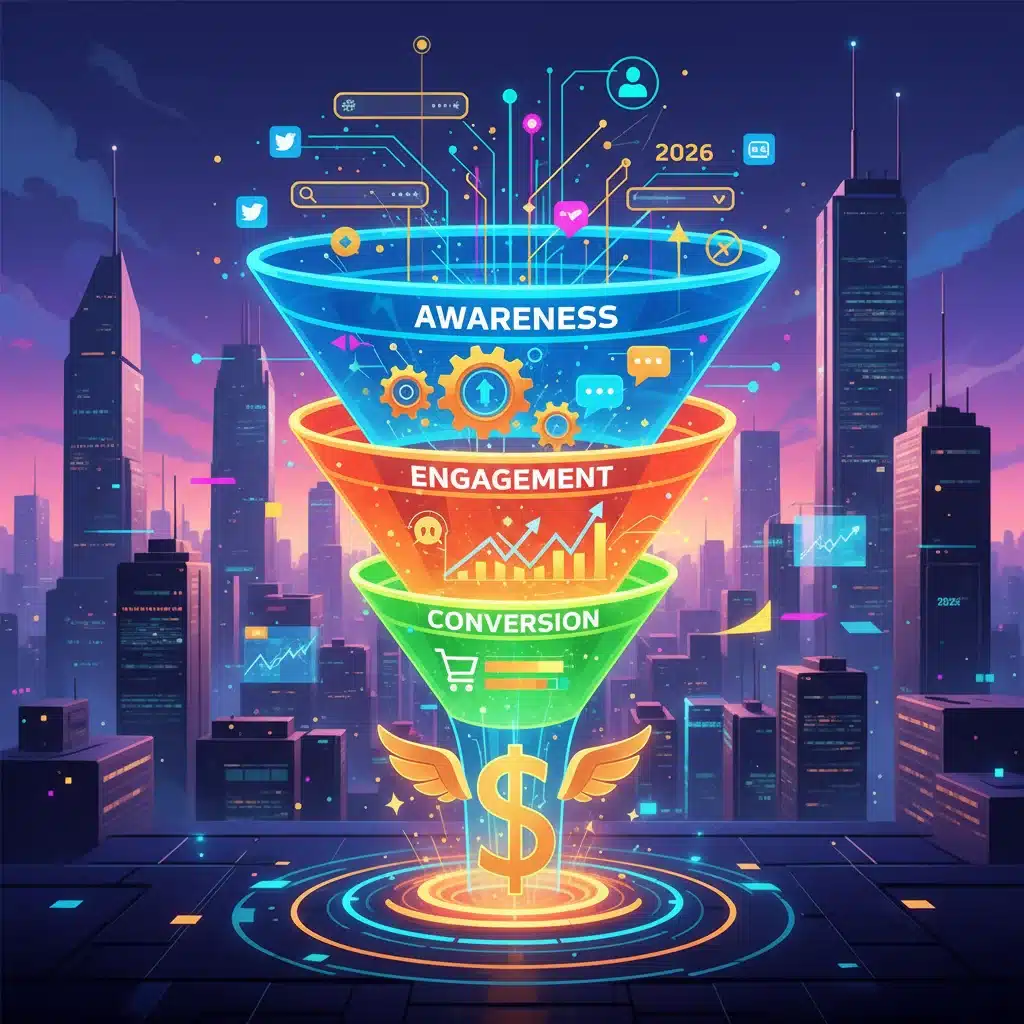
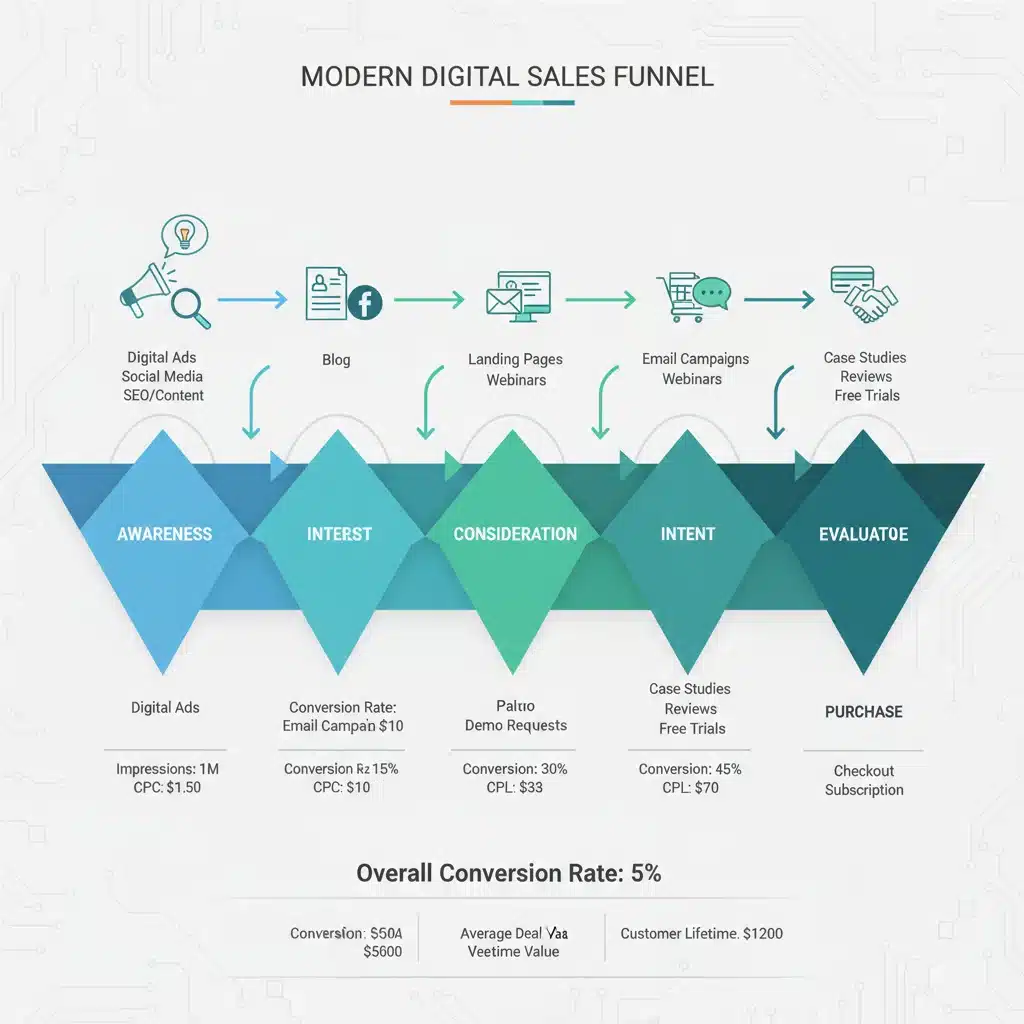
To effectively reduce CAC by 22%, we must first understand the components of the sales funnel and pinpoint areas ripe for Sales Funnel Optimization. Traditionally, the sales funnel consists of stages like Awareness, Interest, Desire, and Action (AIDA). However, modern funnels are often more nuanced, incorporating stages like Consideration, Intent, Evaluation, and Purchase, followed by Retention and Advocacy. Each stage presents unique challenges and opportunities for cost reduction.
Understanding Customer Acquisition Cost (CAC)
CAC is the total cost of sales and marketing efforts required to acquire a new customer. It includes all expenses related to marketing campaigns, sales team salaries, software, advertising, and overheads, divided by the number of new customers acquired over a specific period. A high CAC can erode profitability, even for businesses with strong revenue. Reducing it by 22% requires a holistic approach, scrutinizing every touchpoint and process.
The Stages of a Modern Sales Funnel and Optimization Points:
- Awareness: The top of the funnel. Here, potential customers become aware of your brand or product.
- Optimization Focus: Improve targeting for marketing campaigns (SEO, SEM, social media ads) to reach the most relevant audience, thereby reducing wasted ad spend. Content marketing should be highly valuable and address pain points.
- Interest/Consideration: Prospects show initial interest and begin researching solutions.
- Optimization Focus: Provide compelling, educational content (blog posts, webinars, whitepapers). Implement lead magnets that genuinely address user needs, improving lead quality and reducing the cost of nurturing unqualified leads.
- Intent/Evaluation: Prospects are actively considering your solution and comparing it with competitors.
- Optimization Focus: Streamline product demonstrations, offer personalized consultations, and provide clear competitive advantages. Use retargeting campaigns effectively to re-engage interested prospects without overspending.
- Purchase/Conversion: The prospect decides to become a customer.
- Optimization Focus: Optimize landing pages, simplify checkout processes, and offer clear calls to action. Reduce friction points to prevent cart abandonment, which directly impacts CAC by nullifying prior acquisition efforts.
- Retention/Advocacy: Post-purchase engagement, aiming for repeat business and referrals.
- Optimization Focus: While not directly part of initial CAC, strong retention reduces the need to constantly acquire new customers, indirectly lowering overall acquisition pressure. Encourage referrals through optimized programs.
Strategic Pillars for Achieving a 22% CAC Reduction by 2026
Achieving a 22% reduction in CAC requires a multi-faceted approach, integrating technology, data, and human expertise. Here are the strategic pillars for effective Sales Funnel Optimization:
1. Leveraging Advanced Data Analytics and AI
Data is the new oil, and in 2026, businesses must become expert refiners. Advanced analytics tools, powered by AI and machine learning, can identify patterns, predict customer behavior, and uncover inefficiencies within the sales funnel that human analysis might miss. This includes:
- Predictive Lead Scoring: AI can analyze vast datasets to predict which leads are most likely to convert, allowing sales teams to prioritize high-potential prospects. This reduces wasted effort on low-value leads.
- Attribution Modeling: Understanding which touchpoints contribute most to conversions helps allocate marketing spend more effectively. Multi-touch attribution models provide a more accurate picture than last-click attribution.
- Customer Journey Mapping: AI can map complex customer journeys, identifying friction points and drop-off rates at each stage, enabling targeted interventions.
- Dynamic Content Personalization: AI algorithms can deliver personalized content and offers in real-time, based on user behavior and preferences, significantly improving engagement and conversion rates.
2. Hyper-Personalization at Scale
Personalization is no longer a luxury; it’s an expectation. However, doing it manually for every prospect is resource-intensive. The key to Sales Funnel Optimization in 2026 is hyper-personalization at scale, achieved through:
- CRM Integration: A robust CRM system is the backbone of personalization, housing all customer data to inform interactions.
- Marketing Automation Platforms: These platforms, often AI-enhanced, can trigger personalized emails, messages, and content based on user actions, demographics, and stage in the funnel.
- Dynamic Website Content: Websites that adapt content based on visitor history, location, or industry can significantly improve engagement and guide prospects more effectively through the funnel.
- Personalized Outreach by Sales: Equipped with rich data from CRM and marketing automation, sales teams can craft highly relevant messages and solutions, increasing their success rate.
3. Optimizing Lead Generation and Qualification
The quality of leads entering your funnel directly impacts CAC. Acquiring high-quality leads means less wasted effort downstream. Strategies include:
- Refined Ideal Customer Profile (ICP) and Buyer Personas: A deep understanding of your target audience allows for more precise targeting in marketing campaigns.
- Content Strategy Alignment: Create content that specifically addresses the pain points and questions of your ICP at different stages of their journey.
- Lead Scoring and Nurturing Automation: Implement sophisticated lead scoring models to rank leads based on their likelihood to convert. Automate nurturing sequences to educate and qualify leads before they reach the sales team, ensuring sales efforts are focused on warm prospects.
- Gated Content and Micro-Conversions: Utilize gated content (e.g., whitepapers, case studies) to capture lead information and track micro-conversions (e.g., downloading a brochure, watching a demo video) to gauge interest.
4. Streamlining the Sales Process and Enhancing Sales Enablement
An inefficient sales process can quickly inflate CAC. Sales Funnel Optimization involves empowering your sales team with the right tools and processes:
- Sales Automation Tools: Automate repetitive tasks like scheduling, data entry, and follow-ups, freeing up sales reps to focus on selling.
- Centralized Knowledge Base: Provide sales teams with easy access to up-to-date product information, competitor analysis, and sales scripts.
- Ongoing Training and Coaching: Regularly train sales teams on new products, sales techniques, and how to leverage new technologies.
- Seamless Handoffs: Ensure smooth transitions between marketing and sales, and within different stages of the sales process, to avoid dropping leads.
5. Conversion Rate Optimization (CRO) Across All Funnel Stages
Even minor improvements in conversion rates at each stage can lead to significant overall CAC reductions. CRO is a continuous process of testing and refining:
- A/B Testing: Continuously test different headlines, calls to action, landing page designs, and email subject lines to identify what resonates best with your audience.
- User Experience (UX) Enhancements: Ensure your website and digital touchpoints are intuitive, fast, and mobile-responsive. A poor UX is a major conversion killer.
- Clear Value Proposition: Articulate your unique selling points clearly and concisely at every stage.
- Social Proof and Trust Signals: Incorporate testimonials, case studies, security badges, and industry awards to build trust and credibility.
Measuring Success: KPIs for 22% CAC Reduction
To confirm you’re on track for a 22% CAC reduction, consistent monitoring of key performance indicators (KPIs) is essential. Beyond the overall CAC, consider these metrics:
- Cost Per Lead (CPL): How much does it cost to generate a single lead? Optimize this at the top of the funnel.
- Lead-to-Opportunity Conversion Rate: The percentage of leads that become qualified opportunities.
- Opportunity-to-Win Rate: The percentage of opportunities that close as sales.
- Sales Cycle Length: A shorter sales cycle often correlates with lower CAC.
- Customer Lifetime Value (CLTV): While not directly CAC, a higher CLTV justifies a higher CAC and indicates a healthy business model.
- Marketing Qualified Lead (MQL) to Sales Qualified Lead (SQL) Conversion Rate: Measures the effectiveness of your lead nurturing and qualification processes.
- Website Conversion Rate: How many visitors complete a desired action (e.g., fill out a form, make a purchase).
Regularly analyze these KPIs to identify bottlenecks and areas for further Sales Funnel Optimization. Dashboards and reporting tools should provide real-time insights, allowing for agile adjustments.

Implementing the Change: A Roadmap for 2026
Embarking on a journey to reduce CAC by 22% requires a structured approach. Here’s a potential roadmap:
Phase 1: Assessment and Baseline (Q1 2025)
- Audit Current Funnel: Document every stage of your existing sales funnel, including processes, technologies, and team roles.
- Calculate Baseline CAC: Accurately determine your current Customer Acquisition Cost.
- Identify Bottlenecks: Pinpoint where leads drop off, where costs are highest, and where conversion rates are lowest.
- Stakeholder Alignment: Get buy-in from marketing, sales, and executive leadership.
Phase 2: Strategy Development and Technology Integration (Q2-Q3 2025)
- Develop Detailed Strategy: Outline specific tactics for each funnel stage, incorporating AI, personalization, and automation.
- Select and Integrate Tools: Choose and implement necessary CRM, marketing automation, analytics, and sales enablement platforms. Ensure seamless integration.
- Refine ICP and Personas: Update based on market research and data analysis.
- Content Strategy Overhaul: Plan for hyper-personalized and data-driven content.
Phase 3: Implementation and Initial Optimization (Q4 2025 – Q1 2026)
- Pilot Programs: Roll out new strategies in smaller segments or specific campaigns.
- Training: Train sales and marketing teams on new tools, processes, and strategies.
- A/B Testing Blitz: Aggressively test different elements across the funnel.
- Monitor and Adjust: Closely track KPIs and make immediate adjustments based on performance data.
Phase 4: Scaling and Continuous Improvement (Q2 2026 Onwards)
- Full Rollout: Implement optimized strategies across all operations.
- Automate Further: Look for more opportunities to automate repetitive tasks and data analysis.
- Feedback Loops: Establish strong feedback loops between sales, marketing, and product development.
- Stay Agile: The market will continue to evolve. Regularly review and adapt your Sales Funnel Optimization strategies to maintain competitive advantage.
Overcoming Challenges in Sales Funnel Optimization
While the benefits of reducing CAC are clear, the path to Sales Funnel Optimization isn’t without its hurdles. Common challenges include:
- Data Silos: Disconnected data across different departments or systems can hinder a holistic view of the customer journey. Investing in integrated platforms is crucial.
- Resistance to Change: Employees may be comfortable with existing processes. Effective change management, clear communication of benefits, and comprehensive training are vital.
- Budget Constraints: Implementing new technologies and training can be costly initially. Focus on demonstrating ROI early to secure ongoing investment.
- Complexity of Modern Tools: The sheer number and complexity of available marketing and sales technologies can be overwhelming. Start with essential tools and scale up.
- Measuring ROI Accurately: Attributing specific sales to particular marketing efforts can be challenging. Advanced attribution models help, but require careful setup and analysis.
The Future of Sales: Beyond 2026
The journey of Sales Funnel Optimization doesn’t end in 2026. Looking further ahead, we can anticipate even more sophisticated AI, deeper integration of virtual and augmented reality in sales experiences, and an even greater emphasis on ethical data usage and privacy. Companies that establish a culture of continuous optimization and adaptability now will be best positioned to navigate these future shifts and maintain a competitive edge.
Conclusion: A 22% CAC Reduction is Within Reach
Reducing Customer Acquisition Costs by 22% in 2026 is an ambitious yet achievable goal for businesses committed to strategic Sales Funnel Optimization. By embracing data-driven decision-making, leveraging advanced AI and automation, implementing hyper-personalization at scale, and continually refining every stage of the customer journey, organizations can significantly enhance their efficiency and profitability. This isn’t just about cutting costs; it’s about building a more robust, responsive, and customer-centric sales engine that drives sustainable growth for years to come. Start planning your transformation today, and position your business for unparalleled success in the evolving digital economy.