CRM Analytics: Identifying 2026’s Most Profitable Sales Segments
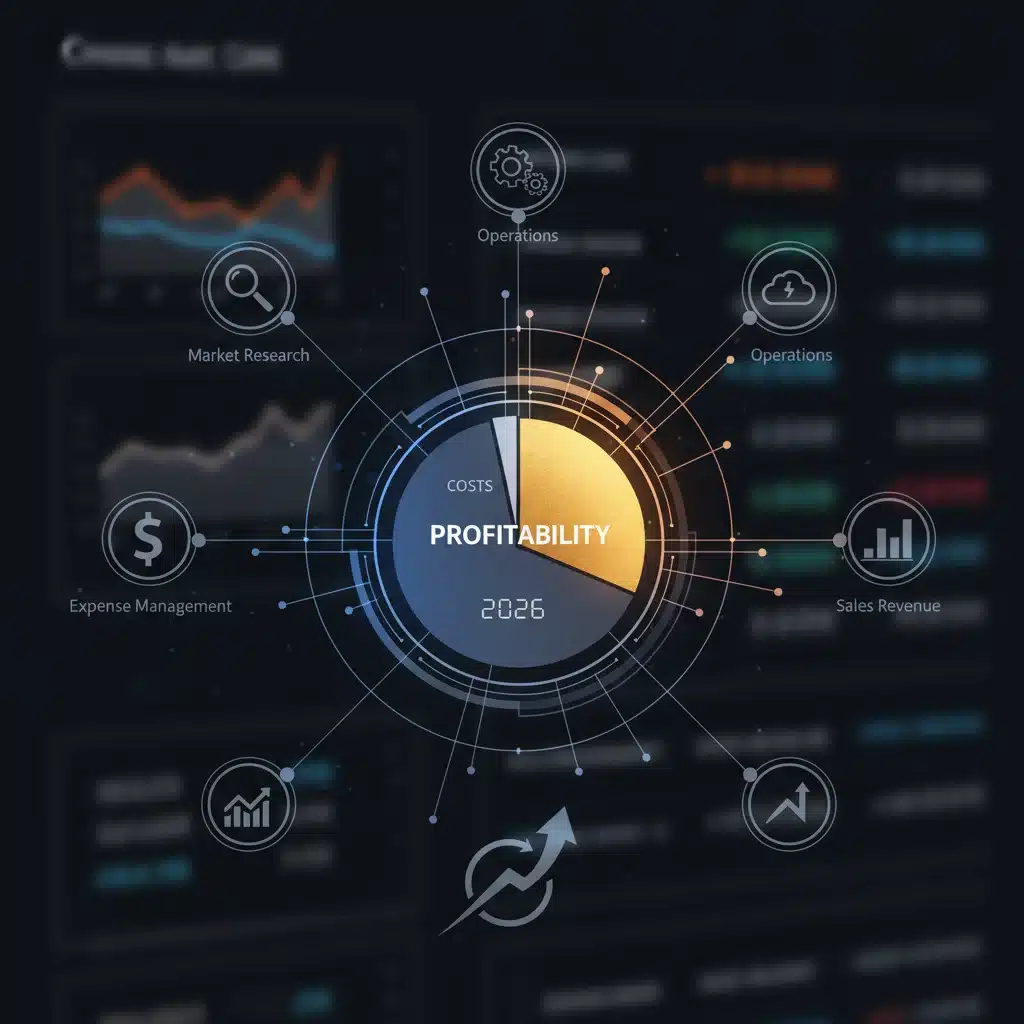
Data-Driven Decisions: How to Use CRM Analytics to Identify 2026’s Most Profitable Sales Segments
In the rapidly evolving landscape of modern business, the ability to make informed decisions is no longer a luxury but a necessity. Companies that thrive are those that can accurately predict market shifts, understand customer behavior, and, most critically, identify where their revenue truly comes from. This is where CRM analytics profitability becomes your strategic superpower. As we look towards 2026, the imperative to precisely pinpoint and nurture the most profitable sales segments has never been greater. This comprehensive guide will delve into the transformative power of CRM analytics, providing you with the insights and methodologies to unearth your most valuable customer groups and drive unprecedented growth.
The Pivotal Role of CRM Analytics in Modern Sales Strategy
Customer Relationship Management (CRM) systems have long been the backbone of sales and marketing operations, serving as repositories for vast amounts of customer data. However, merely collecting data is insufficient. The true value emerges when this data is subjected to rigorous analysis, transforming raw information into actionable intelligence. This is the essence of CRM analytics profitability: moving beyond surface-level metrics to understand the underlying drivers of success.
For 2026, sales strategies must be agile, responsive, and deeply rooted in data. Traditional approaches, relying on intuition or historical trends without granular analysis, risk missing out on emerging opportunities or misallocating resources. CRM analytics provides the microscope needed to examine your customer base, revealing patterns, preferences, and profitability indicators that would otherwise remain hidden. By understanding these nuances, businesses can refine their targeting, personalize their outreach, and ultimately, optimize their sales funnels for maximum return on investment.
Understanding Sales Segments: Beyond Basic Demographics
Before diving into the analytical techniques, it’s crucial to define what constitutes a ‘sales segment’ in the context of profitability. While basic demographic segmentation (age, location, industry) is a good starting point, truly profitable segments are identified by a much richer set of attributes. These include:
- Behavioral Data: Purchase history, frequency of interaction, website activity, product usage, response to marketing campaigns.
- Value-Based Data: Customer Lifetime Value (CLTV), average order value (AOV), profit margins per sale, churn rate.
- Psychographic Data: Motivations, attitudes, values, and lifestyle choices that influence purchasing decisions.
- Firmographic Data (B2B): Company size, industry sector, revenue, growth stage, technology stack.
- Engagement Data: How customers interact with your support, sales, and marketing teams.
The goal is to move beyond simple categories to create nuanced profiles of your most valuable customers. These profiles will be the foundation upon which your 2026 sales strategy is built, ensuring that every effort is directed towards those most likely to convert and contribute significantly to your bottom line. Leveraging CRM analytics profitability means understanding not just who your customers are, but what makes them profitable.
Key CRM Analytics Metrics for Profitability Identification
To effectively identify profitable sales segments, your CRM analytics strategy must focus on specific, measurable metrics. Here are some of the most critical:
1. Customer Lifetime Value (CLTV)
CLTV is arguably the most important metric for understanding long-term profitability. It predicts the total revenue a business can reasonably expect from a single customer account over their entire relationship. High CLTV segments are your golden geese, deserving of focused retention and upsell efforts. CRM analytics can help calculate CLTV by factoring in purchase history, average transaction value, purchase frequency, and customer lifespan.
2. Customer Acquisition Cost (CAC)
While CLTV tells you how much a customer is worth, CAC tells you how much it costs to acquire them. The ratio of CLTV to CAC is a powerful indicator of segment profitability. Segments with a high CLTV:CAC ratio are inherently more profitable, even if their individual transaction values aren’t the highest. Understanding this ratio is fundamental to optimizing your sales and marketing spend.
3. Sales Cycle Length and Conversion Rates
Analyzing the average sales cycle length and conversion rates across different segments can reveal efficiencies and bottlenecks. Segments with shorter sales cycles and higher conversion rates are often more efficient to serve and can contribute to faster revenue generation. CRM analytics profitability allows you to identify what makes these segments tick.
4. Product/Service Profit Margins
Not all sales are created equal. Some products or services carry higher profit margins than others. CRM analytics can link sales data with product profitability data, allowing you to identify segments that are more likely to purchase high-margin offerings. This insight can guide product development, marketing messaging, and sales incentives.
5. Churn Rate and Retention Rates
High churn rates in a segment can significantly erode profitability, regardless of initial acquisition success. Conversely, segments with high retention rates are often highly profitable due to reduced acquisition costs and potential for upsells/cross-sells. Analyzing churn predictors within your CRM data can help proactive intervention strategies.
6. Engagement Metrics
How engaged are different segments with your brand? This includes email open rates, website visits, social media interactions, and support ticket frequency. Highly engaged segments often indicate strong brand loyalty and a higher propensity for future purchases, contributing to overall CRM analytics profitability.
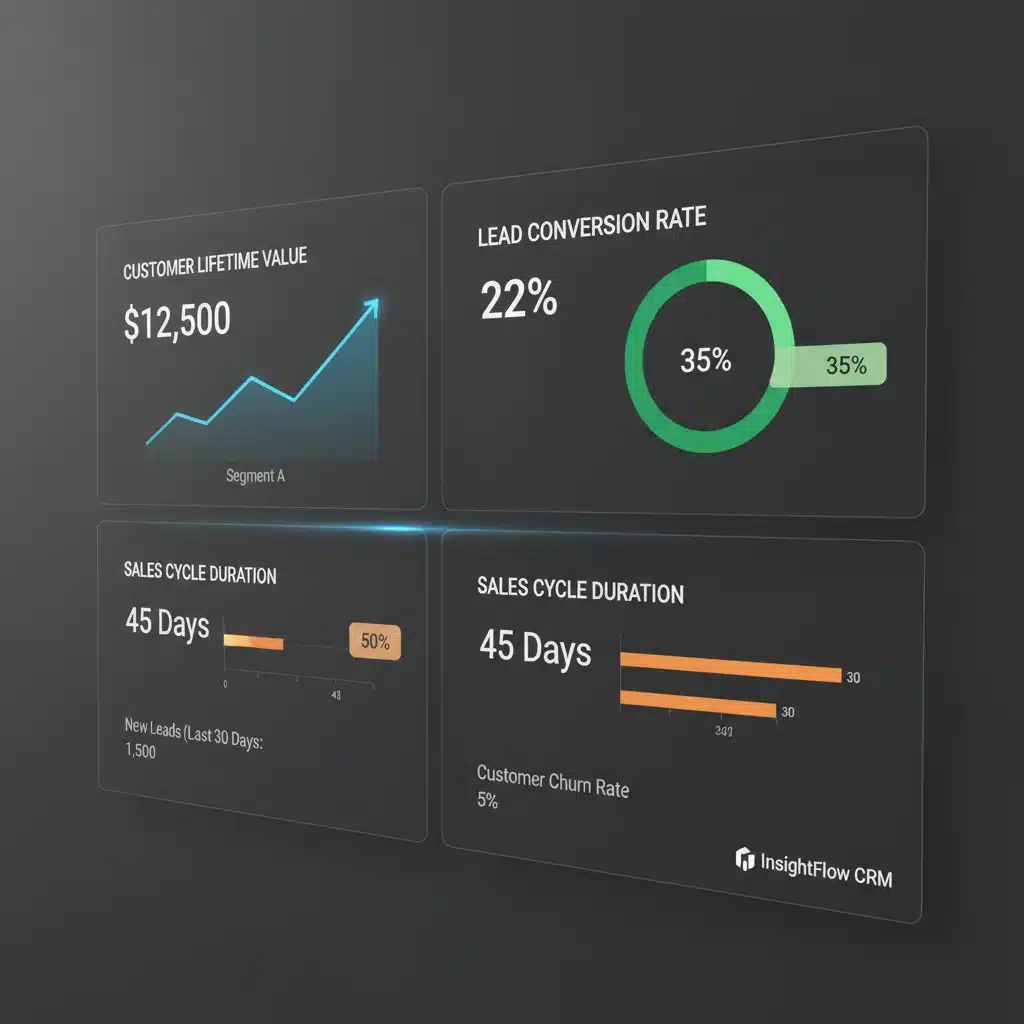
Leveraging CRM Analytics Tools and Techniques
Modern CRM systems are equipped with robust analytical capabilities, often enhanced by artificial intelligence (AI) and machine learning (ML). Here’s how to harness these tools:
1. Data Integration and Cleansing
The foundation of accurate analytics is clean, integrated data. Ensure your CRM is connected with other relevant systems (e.g., ERP, marketing automation, customer support) to create a holistic view of each customer. Regularly cleanse your data to remove duplicates, correct errors, and update outdated information. Garbage in, garbage out applies rigorously to analytics.
2. Segmentation Tools
Most CRMs offer advanced segmentation features. Utilize these to create dynamic segments based on multiple criteria (e.g., ‘customers who purchased Product A, opened 3+ marketing emails, and have a CLTV over X’). Experiment with different combinations to uncover unique profitable niches. This is where the power of CRM analytics profitability truly shines.
3. Predictive Analytics
AI-powered predictive analytics can forecast future customer behavior. This includes predicting which leads are most likely to convert, which customers are at risk of churning, and which products a customer is likely to buy next. By proactively identifying these patterns, you can allocate sales resources more effectively and target high-potential segments before your competitors do.
4. Reporting and Dashboards
Customize your CRM dashboards to prominently display key profitability metrics for different segments. Visual representations (charts, graphs) make it easier to spot trends, identify outliers, and communicate insights to your sales team and leadership. Regular review of these dashboards is crucial for continuous optimization.
5. A/B Testing and Experimentation
Use CRM data to inform A/B tests on different sales approaches, messaging, and offers for various segments. Analyze the results to refine your strategies and continuously improve conversion and profitability rates. This iterative process is key to maximizing CRM analytics profitability.
Step-by-Step Guide to Identifying Profitable Sales Segments for 2026
Step 1: Define Your Profitability Metrics
Before you start analyzing, clearly define what ‘profitable’ means for your business. Is it purely revenue? Net profit? CLTV? A combination? Establish these benchmarks to guide your analysis.
Step 2: Collect and Centralize Data
Ensure all relevant customer data is flowing into your CRM. This includes sales interactions, marketing touchpoints, support tickets, website behavior, and financial data. The more comprehensive your data, the more accurate your insights will be.
Step 3: Initial Segmentation and Exploration
Start with broad segmentation based on firmographics (for B2B) or demographics (for B2C). Then, begin layering in behavioral and value-based data. Look for initial correlations between specific segments and higher revenue or profit.
Step 4: Calculate Key Profitability Metrics for Each Segment
For each identified segment, calculate CLTV, CAC, profit margins, conversion rates, and retention rates. This will provide a quantitative basis for comparison. Focus on the CRM analytics profitability of each group.
Step 5: Identify High-Value Segments
Pinpoint the segments that consistently demonstrate high CLTV, favorable CLTV:CAC ratios, high profit margins, and strong retention. These are your most profitable segments. Don’t overlook segments with moderate CLTV but very low CAC, as they can also be highly efficient profit drivers.
Step 6: Analyze Characteristics of Profitable Segments
Deep dive into what makes these segments unique. What are their common pain points? What products do they prefer? How do they interact with your brand? What industries are they in? What marketing channels do they respond to best? This qualitative understanding complements your quantitative data.
Step 7: Develop Tailored Strategies for Each Segment
Once you understand your profitable segments, create specific sales and marketing strategies for each. This might involve:
- Personalized messaging and offers.
- Dedicated sales teams or account managers.
- Targeted product development.
- Optimized pricing strategies.
- Specific customer service protocols.
Step 8: Monitor, Measure, and Refine
The process of identifying profitable segments is not a one-time event. Continuously monitor the performance of your segments using your CRM analytics. Market conditions, customer preferences, and competitive landscapes change. Regularly review your segmentation, adjust your strategies, and look for new emerging profitable segments. This iterative approach ensures sustained CRM analytics profitability.
Common Challenges and How to Overcome Them
Data Silos
Challenge: Data is scattered across different systems, making a unified view impossible.
Solution: Invest in robust data integration tools or a unified CRM platform that can consolidate data from various sources. Prioritize data governance to ensure consistency.
Poor Data Quality
Challenge: Inaccurate, incomplete, or outdated data leads to flawed insights.
Solution: Implement regular data cleansing processes, enforce strict data entry protocols, and leverage CRM features for data validation and enrichment.
Lack of Analytical Skills
Challenge: Your team may lack the expertise to extract meaningful insights from complex CRM data.
Solution: Provide training for your sales and marketing teams on CRM analytics tools. Consider hiring a data analyst or leveraging external consultants if internal resources are insufficient.
Resistance to Change
Challenge: Sales teams may be hesitant to adopt new data-driven approaches.
Solution: Demonstrate the tangible benefits of CRM analytics profitability through success stories. Involve the sales team in the process, showing them how data empowers them to sell more effectively, not just adds more work.

Future Trends in CRM Analytics for Profitability
As we approach 2026, several trends will further enhance the power of CRM analytics for profitability:
- Hyper-Personalization at Scale: AI and ML will enable even more granular segmentation and real-time personalization of sales interactions and marketing messages, leading to higher conversion rates and customer satisfaction.
- Predictive and Prescriptive Analytics: Beyond just predicting what will happen, CRM systems will increasingly offer prescriptive recommendations on what actions to take to achieve desired outcomes (e.g., ‘offer X discount to customer Y to prevent churn’).
- Voice and Conversational AI Integration: Analyzing customer interactions from voice and chat bots will provide deeper insights into customer sentiment, pain points, and preferences, enriching segment profiles.
- Ethical AI and Data Privacy: With increasing regulations, CRMs will need to offer more robust features for ethical data usage and privacy compliance, ensuring that profitability is pursued responsibly.
- Cross-Channel Attribution: Advanced analytics will provide a clearer picture of how different touchpoints across various channels contribute to a sale, allowing for more precise allocation of marketing and sales budgets.
Embracing these trends will be crucial for businesses aiming to maintain a competitive edge and consistently identify the most profitable sales segments.
Case Study: How a Mid-Sized SaaS Company Boosted Profitability
Consider a mid-sized SaaS company, ‘CloudSolutions,’ struggling with inconsistent growth despite a large customer base. Their sales team was spread thin, chasing every lead without a clear understanding of profitability. They decided to implement a robust CRM analytics profitability strategy.
Initial Situation:
- Generic sales approach for all leads.
- High customer acquisition cost.
- Inconsistent customer lifetime value.
- Sales team overwhelmed.
CRM Analytics Implementation:
- Data Consolidation: Integrated CRM with billing, support, and product usage data.
- CLTV Calculation: Used historical data to calculate CLTV for all existing customers.
- Segment Identification: Analyzed data to identify segments with high CLTV, low CAC, and high product engagement. They discovered that small to medium-sized businesses (SMBs) in the healthcare sector, particularly those using their project management module heavily, showed the highest CLTV and lowest churn.
- Strategy Tailoring: Created a dedicated sales and marketing strategy for the ‘Healthcare SMB – Project Management Users’ segment, including specialized onboarding, industry-specific case studies, and targeted upsell campaigns for advanced features.
- Resource Reallocation: Shifted sales resources to focus more on acquiring and nurturing leads within these profitable segments.
Results (within 12 months):
- 25% Increase in Average CLTV: By focusing on segments with higher retention and upsell potential.
- 15% Reduction in CAC: Due to more precise targeting and reduced wasted effort.
- 10% Increase in Overall Revenue: Driven by higher conversion rates and improved profitability per customer.
- Improved Sales Team Efficiency: Sales representatives were more motivated and effective, focusing on high-potential leads.
This case study illustrates the tangible benefits of a well-executed CRM analytics profitability strategy, proving that data-driven decisions can transform business outcomes.
Conclusion: Your Roadmap to 2026 Profitability
Identifying 2026’s most profitable sales segments is not just about crunching numbers; it’s about building a sustainable, data-driven growth engine for your business. By embracing CRM analytics profitability, you gain the foresight to understand your most valuable customers, the agility to adapt to market changes, and the precision to allocate your resources where they will yield the greatest returns.
The journey begins with clean data and a commitment to continuous analysis. As you move forward, remember that profitability is a dynamic target. Regular monitoring, iterative refinement of your segments, and a willingness to adapt your strategies based on new insights will be paramount. By making CRM analytics the cornerstone of your sales strategy, you are not just preparing for 2026; you are laying the groundwork for sustained success far into the future. Empower your sales team, delight your most valuable customers, and watch your profitability soar.