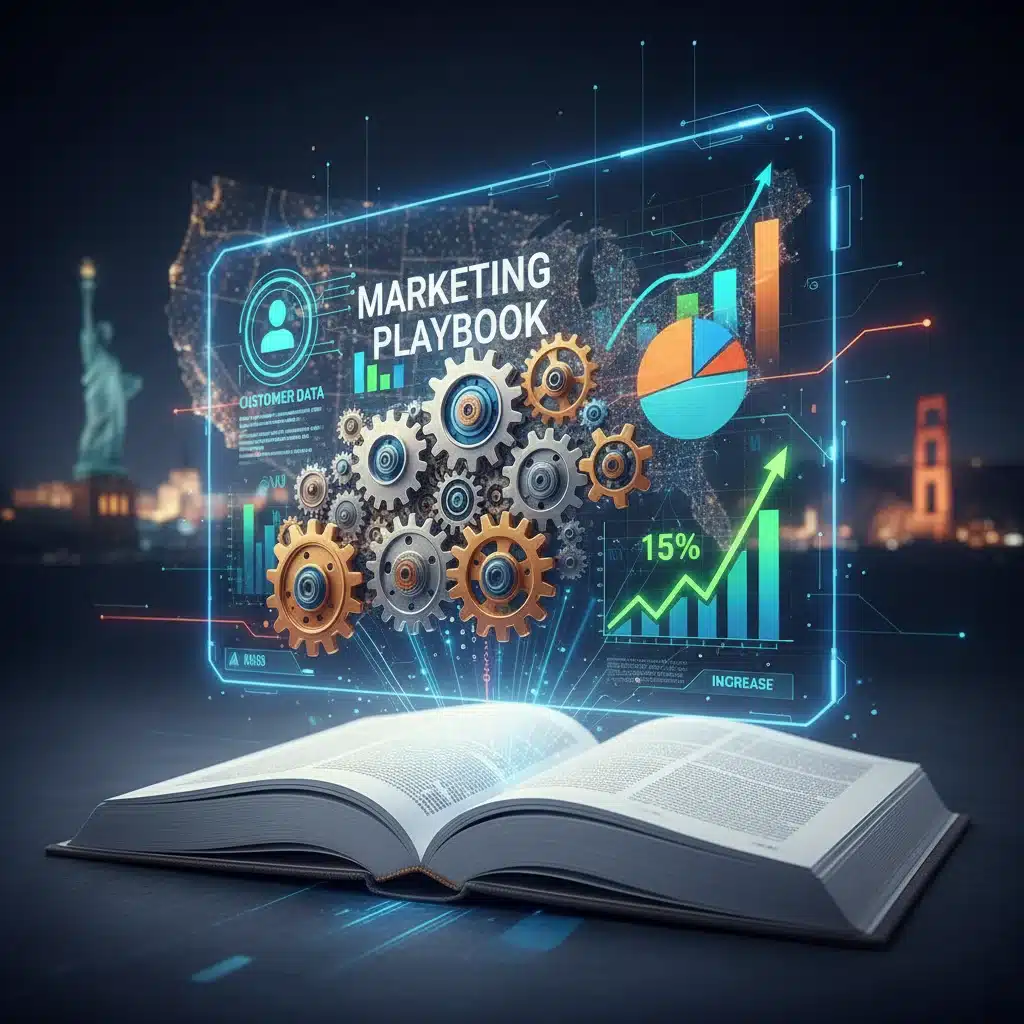
The 2026 Marketing Playbook: 5 Strategies to Boost Customer Lifetime Value by 15% in the US Market
In the fiercely competitive landscape of the US market, businesses are constantly seeking sustainable growth. While acquiring new customers remains crucial, the true north star for long-term success lies in maximizing the value of existing relationships. This brings us to the paramount metric: Customer Lifetime Value (CLV). For 2026 and beyond, a strategic focus on enhancing CLV is not just beneficial, it’s imperative. Our goal? A robust 15% increase in customer lifetime value across the US market. This comprehensive 2026 Marketing Playbook outlines five core strategies designed to achieve precisely that, transforming how businesses engage, retain, and grow their customer base.
The US market, with its diverse consumer base and rapid technological advancements, presents both unique challenges and unparalleled opportunities. Consumers are more informed, more connected, and more demanding than ever before. They expect personalized experiences, seamless interactions, and genuine value. In this environment, a transactional approach is no longer sufficient. Businesses must cultivate deep, meaningful relationships that foster loyalty and encourage repeat purchases over extended periods. This is where a well-executed customer lifetime value strategy shines, turning one-time buyers into brand advocates and consistent revenue streams. Let’s delve into the playbook that will guide your efforts in 2026.
Understanding Customer Lifetime Value (CLV) in the 2026 US Context
Before diving into strategies, it’s essential to reiterate what customer lifetime value truly represents. CLV is a prediction of the total revenue a business can reasonably expect from a customer throughout their relationship with the company. It’s not just about a single purchase; it’s about the cumulative value derived from their entire engagement. In 2026, understanding and optimizing CLV in the US market requires a nuanced approach, considering evolving consumer behaviors, technological shifts, and economic trends.
The average US consumer is increasingly digitally savvy, with expectations shaped by hyper-personalized experiences from tech giants. This means that generic marketing campaigns will yield diminishing returns. Instead, businesses must leverage data analytics to gain deep insights into individual customer preferences, purchasing patterns, and pain points. Furthermore, the rise of subscription models and community-driven commerce highlights a shift towards relationship-based consumption, making a high customer lifetime value a direct indicator of a company’s ability to adapt and thrive in this new paradigm. A 15% boost in CLV isn’t an arbitrary number; it’s a strategic imperative that signifies enhanced customer satisfaction, stronger brand loyalty, and ultimately, greater profitability.
Strategy 1: Hyper-Personalization at Every Touchpoint
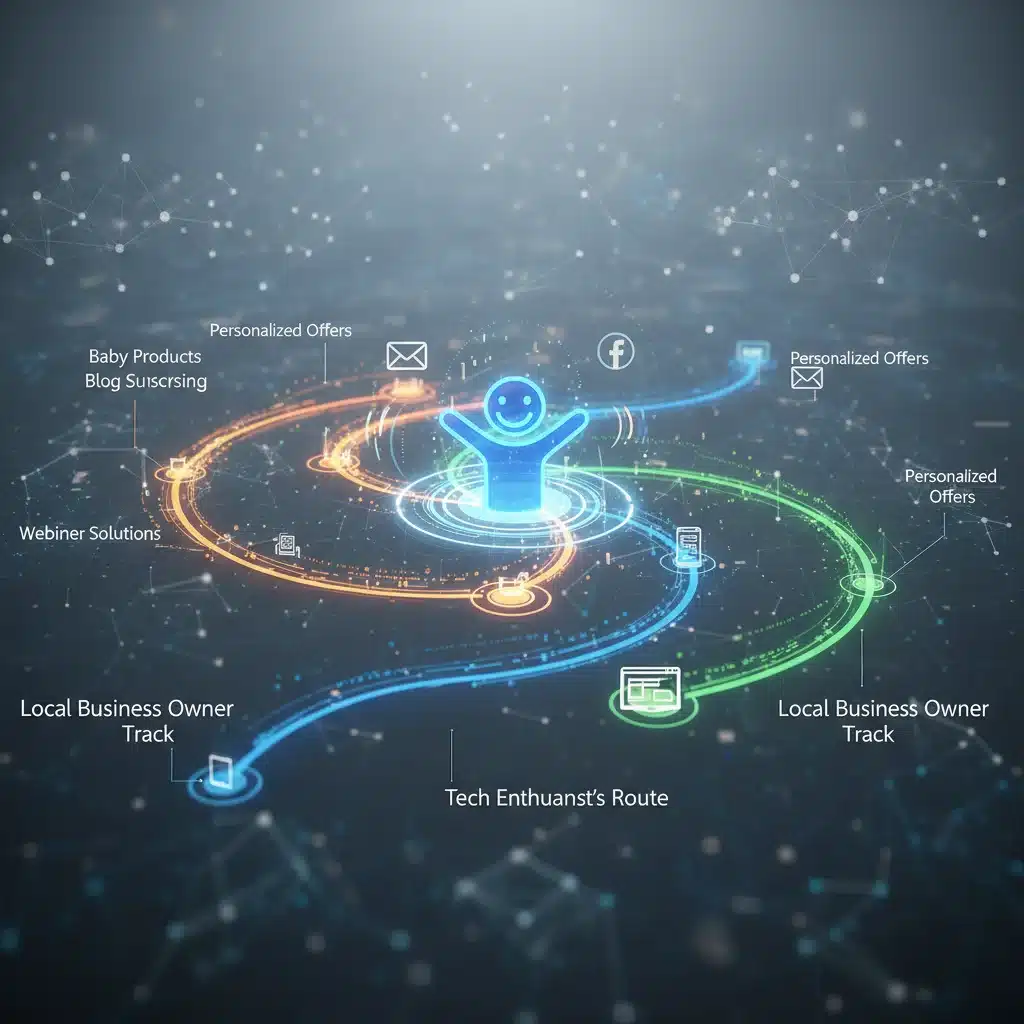
Personalization is not a new concept, but in 2026, it evolves into hyper-personalization, driven by advanced AI and machine learning. This goes beyond addressing customers by their first name; it involves tailoring every interaction, offer, and communication to their specific needs, preferences, and past behaviors. For the US market, where consumer choice is abundant, standing out requires demonstrating that you truly understand your customers.
Leveraging AI for Predictive Personalization
To achieve a significant increase in customer lifetime value, businesses must deploy AI tools that analyze vast datasets to predict future customer needs and behaviors. This includes:
- Personalized Product Recommendations: Moving beyond ‘customers also bought’ to ‘customers like you prefer,’ based on deeper behavioral analytics.
- Tailored Content Delivery: Serving up relevant blog posts, videos, or guides that address specific customer challenges or interests, increasing engagement and perceived value.
- Dynamic Pricing and Offers: Presenting discounts or bundles that are most likely to convert a specific customer segment, based on their price sensitivity and purchase history.
- Contextual Communication: Sending messages at the optimal time and through the preferred channel (email, SMS, in-app notification) based on individual customer activity and engagement patterns.
Implementing hyper-personalization effectively means integrating data across all customer-facing systems – CRM, marketing automation, e-commerce platforms, and customer service. This holistic view enables a consistent, relevant experience that builds trust and encourages continued engagement, directly contributing to a higher customer lifetime value.
Strategy 2: Elevating Customer Experience (CX) to an Art Form
A superior customer experience is the bedrock of high customer lifetime value. In 2026, CX is no longer just about problem-solving; it’s about creating delightful, memorable interactions that foster emotional connections with your brand. The US consumer expects convenience, efficiency, and empathy at every stage of their journey.
Seamless Omnichannel Integration
Customers interact with brands across multiple channels – website, social media, mobile app, physical store, call center. A disjointed experience across these touchpoints can quickly erode trust and satisfaction. To boost customer lifetime value, businesses must ensure a seamless, integrated omnichannel experience where:
- Data Flows Freely: Information gathered from one channel is accessible and actionable on another, preventing customers from having to repeat themselves.
- Consistent Brand Voice: The tone and messaging remain consistent, reinforcing brand identity and values.
- Effortless Transitions: Customers can start an interaction on one channel and seamlessly continue it on another without disruption. For example, beginning a chat on a website and continuing the conversation via SMS with the same context.
Proactive Customer Service and Support
Moving beyond reactive problem-solving, proactive customer service anticipates needs and addresses potential issues before they arise. This could involve:
- Predictive Analytics for Support: Identifying customers likely to encounter issues based on product usage or past interactions, and reaching out with solutions or tips.
- Self-Service Empowerment: Providing robust, easy-to-navigate knowledge bases, FAQs, and AI-powered chatbots that offer instant answers to common queries, empowering customers to find solutions quickly.
- Feedback Loops: Actively soliciting and acting upon customer feedback through surveys, reviews, and social listening. Demonstrating that feedback is valued and acted upon significantly enhances customer satisfaction and loyalty, directly impacting customer lifetime value.
Strategy 3: Building a Robust Customer Loyalty and Retention Program
Acquiring new customers is often significantly more expensive than retaining existing ones. A well-designed loyalty program is a powerful tool for increasing customer lifetime value by incentivizing repeat purchases and fostering a sense of belonging. In 2026, these programs need to be dynamic, rewarding, and deeply integrated into the customer experience.
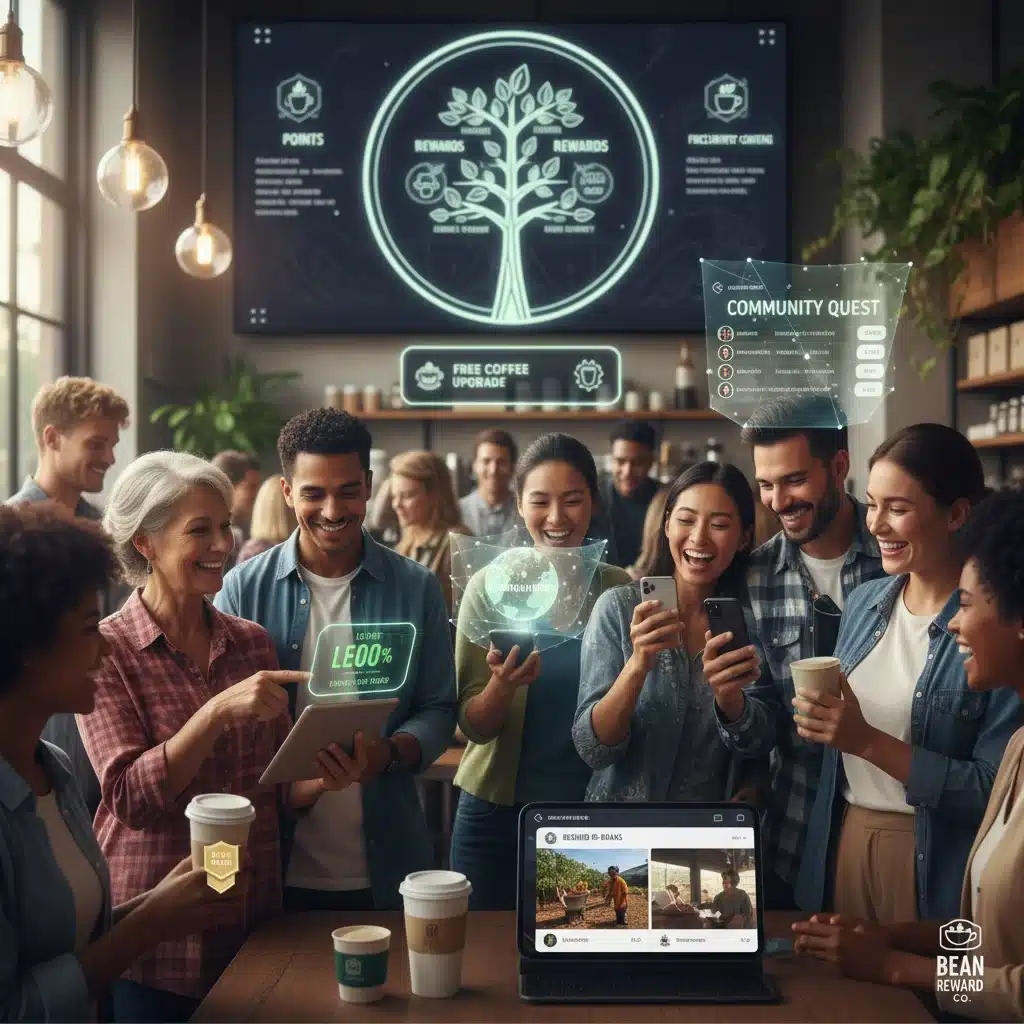
Beyond Points: Experiential Rewards and Community Building
Traditional points-based systems are still relevant, but modern loyalty programs must offer more. To significantly boost customer lifetime value, consider:
- Tiered Programs: Offering escalating benefits (exclusive access, early product releases, dedicated support) as customers climb loyalty tiers.
- Experiential Rewards: Providing unique experiences, such as VIP event invitations, personalized consultations, or co-creation opportunities, that resonate deeply with customer values.
- Community Platforms: Creating online forums or social groups where loyal customers can connect with each other and with the brand, fostering a sense of belonging and advocacy. This not only increases engagement but also provides valuable insights and user-generated content.
- Gamification: Incorporating game-like elements (badges, leaderboards, challenges) to make participation fun and rewarding, encouraging deeper interaction and repeat engagement.
A successful loyalty program is not just a discount scheme; it’s a strategic investment in the customer relationship, designed to extend the customer lifetime value by making them feel valued and recognized.
Strategy 4: Data-Driven Engagement and Predictive Analytics
The ability to collect, analyze, and act on customer data is fundamental to maximizing customer lifetime value. In 2026, predictive analytics will be key to anticipating customer needs and proactively engaging them at critical junctures. This is where big data meets smart strategy.
Harnessing the Power of First-Party Data
With increasing privacy concerns and restrictions on third-party cookies, first-party data (information collected directly from your customers with their consent) becomes an invaluable asset. Businesses must focus on:
- Data Collection Strategies: Implementing transparent and ethical methods for gathering customer data through website interactions, purchase history, surveys, and direct feedback.
- Unified Customer Profiles: Creating a single, comprehensive view of each customer by consolidating data from all touchpoints. This enables a holistic understanding that fuels hyper-personalization and targeted engagement.
- Segmentation and Micro-Segmentation: Moving beyond broad demographic segments to create highly specific micro-segments based on behavior, preferences, and CLV potential. This allows for incredibly precise marketing efforts.
Predictive Modeling for Churn Prevention and Upselling
Advanced analytics can predict which customers are at risk of churning and which are most likely to respond to upsell or cross-sell offers. This proactive approach is critical for boosting customer lifetime value:
- Churn Prediction Models: Identifying patterns and indicators that suggest a customer might disengage, allowing for targeted retention campaigns before it’s too late. This could involve special offers, personalized outreach, or re-engagement content.
- Next-Best-Action Recommendations: Using AI to suggest the most appropriate next action for each customer, whether it’s a product recommendation, a support intervention, or an exclusive offer.
- Lifetime Value Forecasting: Continuously refining CLV models to accurately predict future revenue from customer segments, informing resource allocation and strategic planning.
By effectively leveraging data, businesses can move from reactive marketing to proactive relationship management, significantly impacting customer lifetime value.
Strategy 5: Sustainable and Ethical Brand Practices
In 2026, US consumers, particularly younger generations, are increasingly prioritizing brands that demonstrate genuine commitment to sustainability, ethical practices, and social responsibility. This isn’t just a trend; it’s a fundamental shift in consumer values that directly influences brand loyalty and, consequently, customer lifetime value.
Transparency and Authenticity
Consumers are wary of ‘greenwashing’ or performative activism. To build long-term trust and boost customer lifetime value, brands must:
- Communicate Values Clearly: Articulate their mission, values, and how they are put into practice throughout their operations.
- Prove Impact: Provide verifiable evidence of their social and environmental initiatives, such as impact reports, certifications, or partnerships with reputable non-profits.
- Be Authentic: Integrate ethical practices into the core business model, rather than treating them as separate marketing add-ons. This authenticity resonates deeply with values-driven consumers.
Supporting Local and Community Initiatives
For the US market, supporting local communities and businesses can significantly enhance brand perception and customer affinity. This could involve:
- Local Sourcing: Prioritizing local suppliers and manufacturers where feasible.
- Community Engagement: Sponsoring local events, volunteering, or partnering with local charities.
- Fair Labor Practices: Ensuring ethical treatment and fair wages for employees across the supply chain.
Brands that align with their customers’ values on these critical issues foster deeper emotional connections, leading to increased loyalty and a higher customer lifetime value. This strategy moves beyond transactional benefits to establish a relationship built on shared principles and mutual respect.
Measuring Success: Key Metrics for CLV Growth
To ensure your 2026 Marketing Playbook is driving the targeted 15% increase in customer lifetime value, rigorous measurement and continuous optimization are essential. Beyond the overarching CLV metric, several key performance indicators (KPIs) can help track progress and identify areas for improvement:
- Average Order Value (AOV): An increase here suggests successful upselling and cross-selling efforts.
- Purchase Frequency: More frequent purchases indicate stronger engagement and loyalty.
- Retention Rate: The percentage of customers who continue to purchase over a given period is a direct measure of your retention strategies’ effectiveness.
- Churn Rate: The inverse of retention, a decreasing churn rate signifies improved customer satisfaction and reduced attrition.
- Customer Satisfaction (CSAT) & Net Promoter Score (NPS): These metrics provide insights into customer sentiment and their likelihood to recommend your brand, both strong indicators of future customer lifetime value.
- Engagement Metrics: Website visits, email open rates, social media interactions, and app usage can all signal how invested customers are in your brand.
Regularly reviewing these metrics against your baseline and setting clear targets for each will allow you to fine-tune your strategies and ensure you’re on track to achieve your 15% CLV growth objective.
Implementing Your 2026 CLV Playbook: A Step-by-Step Guide
Successfully integrating these strategies requires a structured approach. Here’s a simplified roadmap to guide your implementation in the US market:
- Audit Current State: Begin by assessing your current CLV, customer experience, data infrastructure, and existing loyalty programs. Identify strengths, weaknesses, and immediate opportunities.
- Invest in Technology: Ensure you have the necessary CRM, marketing automation, AI, and analytics tools to support hyper-personalization and data-driven insights.
- Train Your Team: Empower your marketing, sales, and customer service teams with the knowledge and tools to deliver exceptional, personalized experiences.
- Pilot and Iterate: Start with pilot programs for specific segments or channels. Gather feedback, analyze results, and iterate rapidly to optimize performance before a full-scale rollout.
- Communicate Value: Clearly articulate the benefits of your loyalty programs and personalized experiences to your customers. Transparency builds trust.
- Monitor and Adapt: Continuously track your key metrics, stay abreast of market trends, and be prepared to adapt your strategies as consumer behaviors and technological capabilities evolve.
Remember, achieving a 15% increase in customer lifetime value is a marathon, not a sprint. It requires commitment, consistent effort, and a customer-centric mindset embedded throughout your organization.
Conclusion: The Future is Customer-Centric for Enhanced Customer Lifetime Value
The 2026 Marketing Playbook for boosting customer lifetime value by 15% in the US market is clear: success hinges on a profound understanding of your customers and a commitment to delivering exceptional, personalized experiences. By embracing hyper-personalization, elevating customer experience, building robust loyalty programs, leveraging data-driven insights, and adopting sustainable practices, businesses can forge stronger, more profitable relationships with their customers.
The US market is dynamic, and consumer expectations will continue to evolve. However, the core principle remains constant: happy, engaged, and loyal customers are the most valuable asset any business can possess. By strategically investing in these five areas, you’re not just aiming for a 15% increase in customer lifetime value; you’re building a resilient, customer-centric business model that is primed for sustainable growth and long-term success in 2026 and well beyond.
Embrace this playbook, and watch your customer relationships, and your bottom line, flourish.