Gen Z Marketing: Crafting Authentic Brand Voice for US Youth
Beyond the Algorithm: Crafting a Unique Gen Z Brand Voice for the US Market
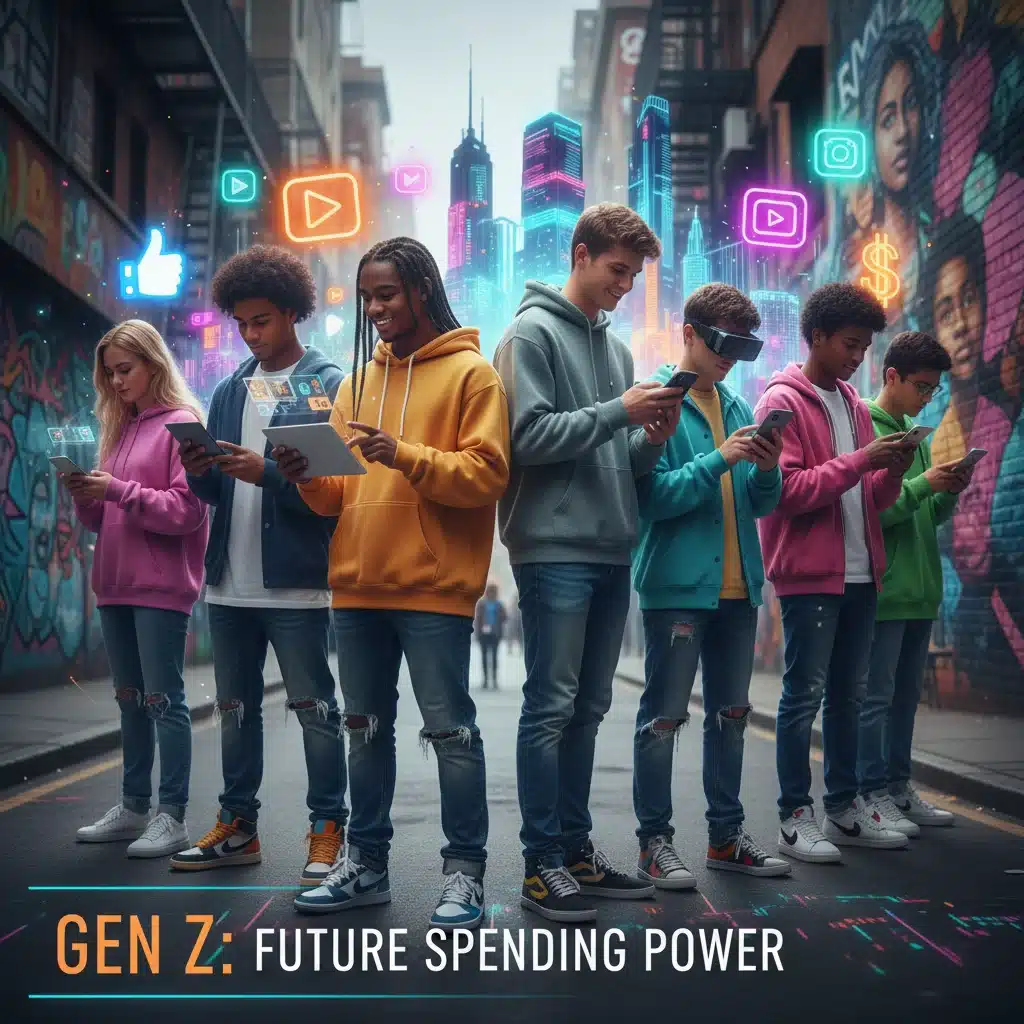
The landscape of consumer engagement is undergoing a seismic shift, driven by the emergence of Generation Z. Born roughly between 1997 and 2012, this demographic is not just another cohort; they are a force reshaping the very fabric of commerce and culture. With an expected influence on 30% of all spending by 2026, understanding and connecting with Gen Z is no longer optional for brands; it is an imperative for survival and growth. But how do you capture the attention of a generation that has grown up with infinite information at their fingertips, a built-in skepticism for traditional advertising, and an unwavering demand for authenticity? The answer lies in crafting a unique and compelling Gen Z Brand Voice.
This comprehensive guide will delve deep into the intricacies of developing a brand voice that not only resonates with Gen Z in the US but also fosters genuine connection and loyalty. We’ll explore the core values that drive this generation, the digital ecosystems they inhabit, and the strategic approaches necessary to cut through the noise and establish a meaningful presence. Forget the old playbooks; it’s time to embrace a new era of brand communication.
Understanding the Gen Z Psyche: More Than Just Digital Natives
To effectively craft a Gen Z Brand Voice, one must first understand the fundamental characteristics that define this generation. They are often labeled ‘digital natives,’ and while true, this only scratches the surface. Gen Z is also:
- Hyper-connected and Globally Aware: They have grown up with the internet as a constant, exposing them to diverse perspectives and global issues from a young age. This fosters a sense of global citizenship and a keen awareness of social and environmental challenges.
- Authenticity Seekers: They possess a highly attuned BS detector. They can spot inauthenticity from a mile away and are quick to call out brands that don’t practice what they preach. Genuine transparency and honesty are paramount.
- Value-Driven Consumers: Beyond price and quality, Gen Z cares deeply about a brand’s values, ethics, and social responsibility. They want to support companies that align with their personal beliefs and contribute positively to the world.
- Individualistic Yet Community-Oriented: While they value self-expression and individuality, they also crave belonging and community. They find these communities online, often centered around shared interests, passions, and causes.
- Visual Learners and Storytellers: Having grown up with platforms like Instagram, TikTok, and YouTube, they are highly visual consumers of content. Short-form video, compelling imagery, and authentic storytelling resonate deeply.
- Financially Savvy and Fiscally Conscious: Many Gen Z individuals witnessed the 2008 recession and its aftermath, making them more pragmatic and cautious about spending. They seek value, but also understand that ‘value’ extends beyond just the monetary.
These characteristics are not merely demographic data points; they are the bedrock upon which a successful Gen Z Brand Voice must be built. Ignoring them is to risk irrelevance in an increasingly competitive market.
The Pillars of an Authentic Gen Z Brand Voice
Crafting a brand voice that genuinely connects with Gen Z requires more than just adopting slang or being present on the latest social media platform. It demands a fundamental shift in how brands communicate. Here are the essential pillars:
1. Authenticity and Transparency: The Non-Negotiables
Gen Z values authenticity above almost everything else. They want to see the real you, not a perfectly polished, corporate facade. This means:
- Being Real, Not Relatable (Faking It): Don’t try to force relatability by adopting youth-speak or trends that don’t genuinely align with your brand. Instead, focus on being transparent about your processes, your values, and even your imperfections.
- Owning Your Mistakes: When things go wrong, acknowledge it, apologize genuinely, and outline how you’re going to fix it. Gen Z respects honesty and accountability.
- Behind-the-Scenes Content: Show the human side of your brand. Introduce your team, share your brand’s journey, and highlight the effort that goes into your products or services. This builds trust and connection.
- No Greenwashing or Woke-Washing: Gen Z is adept at sniffing out performative activism. If you claim to be socially or environmentally conscious, your actions must unequivocally support those claims.
2. Purpose-Driven Messaging: Standing for Something
Gen Z is a generation of activists. They expect brands to have a purpose beyond profit and to actively contribute to positive change. Your Gen Z Brand Voice must reflect this:
- Define Your ‘Why’: Clearly articulate your brand’s mission, vision, and values. What impact do you want to have on the world?
- Align with Causes: Support causes that genuinely resonate with your brand and your target audience. This isn’t about jumping on bandwagons; it’s about authentic alignment.
- Show, Don’t Just Tell: Don’t just state your values; demonstrate them through your actions, initiatives, and partnerships.
- Empower and Educate: Use your platform to inform and empower your audience on issues that matter to them. This positions your brand as a resource and an ally.
3. Digital Fluency and Platform-Specific Communication
Gen Z lives online, but not all online spaces are the same. Your Gen Z Brand Voice needs to adapt to the nuances of each platform:
- Master Short-Form Video: TikTok and Instagram Reels are primary consumption channels. Your content needs to be engaging, concise, and natively designed for these formats. Think quick cuts, trending sounds, and authentic humor.
- Interactive Content: Polls, quizzes, Q&As, and live sessions foster engagement and make your audience feel heard.
- Community Building: Leverage platforms like Discord, Reddit, and private social media groups to build exclusive communities where Gen Z can connect with your brand and each other.
- Visual Storytelling: Beyond video, use high-quality, authentic imagery that tells a story and reflects the aesthetics Gen Z appreciates.
- Micro-Influencer Collaboration: Gen Z trusts their peers and micro-influencers more than traditional celebrities. Partner with creators who genuinely align with your brand and have an authentic connection with their audience.
4. Conversational and Inclusive Language: Speaking Their Language
Formal, corporate language is a turn-off for Gen Z. They prefer a brand voice that is approachable, conversational, and inclusive:
- Use Everyday Language: Avoid jargon, corporate speak, and overly formal tones. Communicate as if you’re talking to a friend.
- Embrace Humor (Appropriately): Gen Z appreciates humor, but it needs to be genuine and align with your brand’s personality. Avoid trying too hard to be funny.
- Be Inclusive: Use inclusive language that respects and acknowledges diversity in all its forms. Avoid gendered language, stereotypes, and exclusionary terms.
- Listen More Than You Speak: Pay attention to how Gen Z communicates online. What slang are they using? What memes are trending? This isn’t about mimicking, but understanding their cultural references.

Strategies for Developing Your Gen Z Brand Voice
Now that we understand the core pillars, let’s explore actionable strategies to develop and refine your brand’s voice for this influential demographic.
1. Deep Dive into Research and Listening
You can’t connect with Gen Z if you don’t understand them. This requires robust research:
- Social Listening: Monitor conversations on platforms like TikTok, Instagram, Twitter, Reddit, and Discord. What are they talking about? What are their concerns, passions, and frustrations?
- Surveys and Focus Groups: Directly engage with Gen Z individuals. Ask them about their preferences, their perceptions of brands, and what they expect from companies.
- Competitor Analysis: Observe how successful (and unsuccessful) brands are communicating with Gen Z. What can you learn from their approaches?
- Trend Forecasting: Stay ahead of cultural trends, memes, and emerging platforms. Gen Z moves fast, and your brand voice needs to be agile.
2. Define Your Brand Persona for Gen Z
Just as you define a customer persona, create a brand persona specifically tailored for how you want to communicate with Gen Z. Ask yourself:
- If our brand were a person, what would their personality be like?
- What values would they embody?
- How would they speak? What tone of voice would they use?
- What kind of content would they share?
- How would they interact with others?
This exercise helps to create consistency and ensure that everyone on your team is aligned on the desired Gen Z Brand Voice.
3. Content Strategy Tailored for Gen Z Consumption
Your content needs to be as dynamic and diverse as Gen Z themselves:
- Short-Form, Snackable Content: Think TikTok-style videos, Instagram Reels, and bite-sized infographics. Attention spans are short, so make every second count.
- User-Generated Content (UGC): Encourage and amplify UGC. Gen Z trusts their peers more than traditional advertising, and UGC is a powerful form of social proof.
- Interactive Content: Quizzes, polls, Q&As, and live streams promote engagement and make your audience feel like active participants.
- Storytelling, Not Selling: Focus on narratives that resonate with Gen Z’s values and experiences, rather than overt sales pitches.
- Educational and Informative Content: Gen Z is curious and eager to learn. Provide valuable insights and information related to your industry or causes you support.
4. Embrace Co-Creation and Collaboration
Gen Z wants to be part of the conversation, not just passive recipients of marketing messages. Involve them in your brand’s journey:
- Collaborate with Influencers: Partner with micro and nano-influencers who have genuine connections with their audience and align with your brand’s values.
- Solicit Feedback: Actively ask for and incorporate customer feedback into your product development and marketing strategies.
- Run Contests and Challenges: Encourage Gen Z to create content featuring your brand through challenges and contests.
- Community Moderation: Foster positive and engaging online communities where Gen Z can interact with your brand and each other.
5. Consistency Across All Touchpoints
Your Gen Z Brand Voice must be consistent across all channels – from your website and social media to customer service interactions and email campaigns. Inconsistency erodes trust and makes your brand seem inauthentic. Develop a style guide that outlines:
- Tone of voice (e.g., witty, empathetic, informative)
- Specific vocabulary to use and avoid
- Guidelines for visual aesthetics
- Best practices for platform-specific communication
Common Pitfalls to Avoid When Marketing to Gen Z
While the opportunities are immense, there are also significant risks if brands misstep. Avoid these common pitfalls:
- Trying Too Hard to Be ‘Cool’: Forcing slang or trends that don’t genuinely fit your brand will come across as inauthentic and cringeworthy.
- Ignoring Social and Environmental Issues: Remaining silent on issues that matter to Gen Z can be perceived as apathy or even complicity.
- Lack of Transparency: Hiding information, being vague, or making misleading claims will quickly lead to distrust and a damaged reputation.
- Over-Polished, Corporate Content: Gen Z prefers raw, authentic content over highly produced, advertising-like material.
- One-Way Communication: Brands that only broadcast messages without engaging in conversation will fail to build meaningful connections.
- Underestimating Their Intelligence: Gen Z is highly media-literate and can easily see through manipulative marketing tactics.
- Inconsistent Messaging: A brand voice that shifts dramatically between platforms or campaigns will confuse and alienate this audience.
Measuring the Impact of Your Gen Z Brand Voice
Developing a compelling brand voice is only half the battle; you also need to measure its effectiveness. Key metrics to track include:
- Engagement Rates: Look beyond likes. Measure comments, shares, saves, and direct messages on social media. Are people actively interacting with your content?
- Sentiment Analysis: Use tools to gauge the emotional tone of conversations about your brand. Is the sentiment positive, negative, or neutral?
- Brand Mentions and UGC: How often is your brand being mentioned organically? Are people creating content featuring your brand without being prompted?
- Website Traffic and Conversions: Ultimately, does your brand voice translate into increased traffic and sales?
- Brand Loyalty and Repeat Purchases: Are Gen Z customers returning to your brand? Are they advocating for you?
- Follower Growth and Demographics: Is your Gen Z audience growing, and does it align with your target demographic?
Regularly analyze these metrics and be prepared to iterate and adapt your Gen Z Brand Voice based on what you learn. The digital landscape is constantly evolving, and your brand’s communication strategy must evolve with it.
Case Studies: Brands Nailing Their Gen Z Brand Voice
To illustrate these principles, let’s look at a few examples of brands that have successfully connected with Gen Z:
- Duolingo: Their quirky, often meme-driven TikTok presence perfectly captures Gen Z humor. The Duolingo owl has become an internet sensation, demonstrating that even an educational app can have a playful and highly engaging brand voice. They don’t take themselves too seriously, which resonates.
- Glossier: This beauty brand built its empire on authenticity and community. Their brand voice is inclusive, approachable, and focuses on enhancing natural beauty rather than covering it up. They heavily leverage user-generated content and create a sense of belonging among their customers.
- Chipotle: Chipotle has mastered the art of playful, self-aware social media content. They engage directly with their followers, participate in trending challenges, and use humor to build a relatable and fun brand image. They also align with Gen Z’s values through their commitment to real ingredients.
- Patagonia: A long-standing example of purpose-driven branding, Patagonia’s commitment to environmental activism deeply resonates with Gen Z. Their brand voice is authoritative, passionate, and unwavering in its advocacy, proving that a strong ethical stance can be a powerful marketing tool.
These brands don’t just sell products; they foster communities, entertain, educate, and stand for something. Their Gen Z Brand Voice is a natural extension of their core identity, not a forced attempt to appeal to a demographic.
The Future of Gen Z Brand Voice: What’s Next?
As Gen Z matures and their spending power continues to grow, the importance of a well-crafted Gen Z Brand Voice will only intensify. What can we expect in the coming years?
- Increased Demand for Ethical AI: As AI becomes more prevalent in content creation, Gen Z will likely demand transparency and ethical considerations in its use, pushing brands to ensure AI-generated content aligns with their authentic voice and values.
- The Metaverse and Web3: While still nascent, the metaverse and Web3 technologies will offer new avenues for immersive brand experiences and community building. Brands with a strong, adaptable voice will be best positioned to thrive in these new digital frontiers.
- Hyper-Personalization at Scale: Gen Z expects personalized experiences. Brands will need to leverage data responsibly to deliver highly relevant content and interactions while maintaining their authentic voice.
- Brand as a Service (BaaS): Beyond products, Gen Z may increasingly seek brands that offer value-added services, educational content, or platforms for connection, further blurring the lines between commerce and community.
- Sustainability and Circular Economy: The emphasis on environmental responsibility will continue to grow, making a brand’s commitment to sustainability a non-negotiable aspect of its voice and actions.
The brands that succeed in the future will be those that view their Gen Z Brand Voice not as a static marketing tool, but as a living, evolving entity that continuously listens, adapts, and genuinely connects with its audience.
Conclusion: Embracing Authenticity for Enduring Connection
Crafting a unique and compelling Gen Z Brand Voice for the US market is a journey that requires deep understanding, unwavering authenticity, and a willingness to evolve. This generation demands more than just products or services; they seek genuine connections, shared values, and brands that contribute positively to the world.
By prioritizing authenticity, embracing purpose-driven messaging, mastering digital fluency, and adopting a conversational and inclusive tone, brands can build lasting relationships with Gen Z. It’s about moving beyond transactional interactions and fostering a sense of community and shared purpose. As Gen Z continues to shape the economic landscape, investing in a truly resonant brand voice is not just good marketing; it’s a strategic imperative for long-term success and relevance. The future belongs to brands that speak their truth, listen intently, and act with integrity.