Protecting Your IP in the Digital Age: Essential Strategies for U.S. Entrepreneurs in 2026
Protecting Your IP in the Digital Age: Essential Strategies for U.S. Entrepreneurs in 2026
In the rapidly evolving landscape of 2026, where innovation is the lifeblood of economic growth and digital transformation reshapes industries daily, the importance of digital IP protection for U.S. entrepreneurs cannot be overstated. Intellectual Property (IP) – encompassing everything from groundbreaking inventions to distinctive brand identities and creative content – is often an entrepreneur’s most valuable asset. Yet, in an increasingly interconnected and often precarious digital environment, these assets are more vulnerable than ever to infringement, theft, and misuse. This comprehensive guide is designed to equip U.S. entrepreneurs with the knowledge and strategies necessary to safeguard their intellectual property effectively in the digital age, ensuring their innovations are protected and their competitive edge maintained.
The digital frontier presents both unprecedented opportunities and significant challenges. On one hand, it allows for global reach and instantaneous dissemination of ideas; on the other, it facilitates the rapid unauthorized reproduction and distribution of proprietary information. For U.S. businesses, understanding and implementing robust digital IP protection measures is no longer optional but a critical component of long-term success and sustainability. From the moment an idea is conceived to its market launch and beyond, strategic IP management is paramount. This article delves into the various facets of intellectual property, offering actionable insights and best practices tailored for the modern entrepreneurial ecosystem.
Understanding the Landscape of Digital IP in 2026
Before diving into protection strategies, it’s crucial to understand what constitutes intellectual property in the digital realm and the specific challenges it faces. In 2026, digital IP extends beyond traditional patents, trademarks, and copyrights to include software code, algorithms, datasets, digital art, online branding, unique business processes implemented digitally, and even user experience (UX) designs. The ease of copying and distributing digital content globally means that infringements can occur rapidly and across borders, making enforcement complex.
The Four Pillars of Intellectual Property and Their Digital Manifestations:
- Patents: Protect novel, non-obvious, and useful inventions. In the digital age, this often includes software algorithms, new digital processes, AI models, and innovative hardware designs that integrate with digital systems. Obtaining a patent provides the inventor with exclusive rights for a limited period, preventing others from making, using, or selling the invention without permission. The U.S. Patent and Trademark Office (USPTO) remains the primary authority for these registrations.
- Trademarks: Safeguard brand names, logos, slogans, and other identifiers that distinguish goods or services in the marketplace. For U.S. entrepreneurs, this extends to domain names, social media handles, app icons, and even unique digital sounds or animations associated with a brand. Strong trademark protection is vital for building and maintaining brand recognition and preventing consumer confusion in the vast digital marketplace.
- Copyrights: Protect original works of authorship, including literary, dramatic, musical, and artistic works. Digitally, this encompasses software code, website content, digital art, e-books, online courses, videos, music, podcasts, and even unique database structures. Copyright protection arises automatically upon creation, but registration with the U.S. Copyright Office offers significant legal advantages, including the ability to sue for infringement and recover statutory damages.
- Trade Secrets: Confidential information that provides a business with a competitive edge. This can include customer lists, proprietary algorithms, manufacturing processes, marketing strategies, and unpatented inventions. Unlike patents, trademarks, or copyrights, trade secrets are protected by maintaining their secrecy. Digital trade secrets require robust cybersecurity measures and strict internal protocols to prevent unauthorized access and disclosure.
The digital environment amplifies the need for vigilance across all these categories. The global reach of the internet means that unauthorized use can originate from anywhere, complicating legal recourse. Therefore, a proactive and multi-faceted approach to digital IP protection is essential for U.S. entrepreneurs.
Proactive Strategies for Digital IP Protection in 2026
Effective digital IP protection begins long before any potential infringement occurs. It requires a strategic and proactive mindset, integrating IP considerations into every stage of business development and operation. Here are key strategies U.S. entrepreneurs should implement:
1. Early Identification and Registration
The first step in protecting your IP is to clearly identify what needs protection. Conduct regular IP audits to recognize all valuable assets. Once identified, prioritize timely registration with the relevant authorities:
- USPTO for Patents and Trademarks: File applications as early as possible. For patents, this secures your priority date. For trademarks, federal registration provides nationwide rights and public notice of your ownership.
- U.S. Copyright Office for Copyrights: While copyright protection is automatic, registration strengthens your legal standing significantly, especially if you need to enforce your rights in court.
- Domain Name Registration: Secure relevant domain names and variations (e.g., .com, .net, .org, .ai, .io) that align with your brand to prevent cybersquatting and brand dilution.
Neglecting early registration can lead to costly disputes and loss of exclusive rights down the line. A strong registration portfolio is the foundation of robust digital IP protection.
2. Robust Cybersecurity Measures
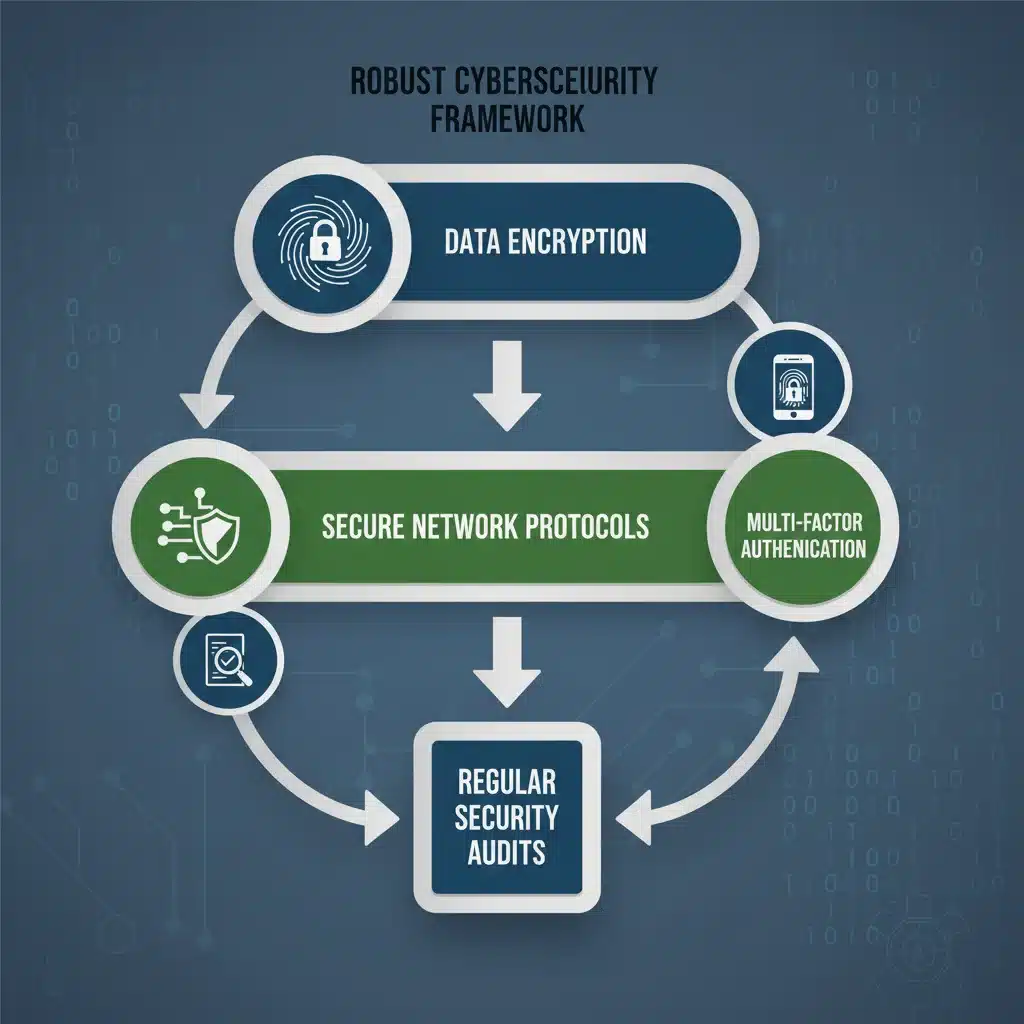
In 2026, cybersecurity is inextricably linked with digital IP protection. Data breaches, hacking, and insider threats can expose valuable trade secrets, proprietary software, and sensitive customer information. Entrepreneurs must invest in and maintain a strong cybersecurity posture:
- Encryption: Encrypt all sensitive data, both in transit and at rest.
- Access Controls: Implement strict access controls, multi-factor authentication (MFA), and role-based permissions to limit who can access critical IP.
- Regular Audits and Updates: Conduct frequent security audits, penetration testing, and ensure all software and systems are patched and updated to guard against known vulnerabilities.
- Employee Training: Educate employees on cybersecurity best practices, phishing awareness, and IP confidentiality policies.
- Incident Response Plan: Develop a clear incident response plan to quickly address and mitigate the impact of any security breach.
3. Comprehensive Contracts and Agreements
Legal agreements are your first line of defense in protecting digital IP, especially when collaborating or engaging with third parties. Key agreements include:
- Non-Disclosure Agreements (NDAs): Essential before sharing any proprietary information with potential partners, investors, or contractors.
- Employee and Contractor Agreements: Clearly define IP ownership, confidentiality obligations, and non-compete clauses. Ensure that all IP created by employees or contractors within the scope of their work is assigned to the company.
- Licensing Agreements: If you plan to license your digital IP, draft precise agreements that specify the scope of use, duration, geographic limitations, and payment terms.
- Terms of Service (ToS) and Privacy Policies: For online platforms, these documents should clearly state IP ownership of user-generated content (if applicable) and how user data is handled.

4. Digital Watermarking and DRM (Digital Rights Management)
For certain types of digital content, such as images, videos, audio, and e-books, digital watermarking and DRM technologies can provide an additional layer of protection. While not foolproof, they can deter unauthorized use and help track infringements:
- Digital Watermarks: Embed invisible or visible identifiers into your digital assets, making it easier to prove ownership and trace unauthorized copies.
- DRM Technologies: Control access, copying, and modification of digital content. While sometimes controversial for user experience, DRM can be effective for sensitive or high-value digital products.
5. Monitoring and Enforcement in the Digital Sphere
Even with proactive measures, infringements can occur. A robust digital IP protection strategy includes continuous monitoring and swift enforcement:
- Online Monitoring Tools: Utilize specialized software and services to scan the internet for unauthorized use of your trademarks, copyrights, and other digital assets. This includes monitoring social media, e-commerce platforms, app stores, and file-sharing sites.
- DMCA Takedown Notices: For copyright infringement, the Digital Millennium Copyright Act (DMCA) provides a mechanism for requesting the removal of infringing content from websites and online service providers.
- Cease and Desist Letters: Send formal legal notices to infringers demanding that they stop unauthorized use of your IP.
- Legal Action: Be prepared to pursue legal action in severe cases of infringement, especially when significant damages or reputational harm are at stake. This might involve litigation in U.S. courts or international legal avenues depending on the infringer’s location.
Emerging Trends and Future Considerations for Digital IP Protection
The digital landscape is constantly shifting, and digital IP protection strategies must evolve accordingly. U.S. entrepreneurs in 2026 need to be aware of several emerging trends:
Artificial Intelligence (AI) and Machine Learning (ML)
AI’s role in IP is multifaceted. It can be an IP asset itself (e.g., AI-generated algorithms or creative works), a tool for IP infringement (e.g., AI-generated deepfakes or content mimicking), and a tool for IP protection (e.g., AI-powered monitoring for infringements). Understanding the legal implications of AI-generated content ownership and the use of AI in IP analysis and enforcement is critical.
Blockchain Technology and NFTs
Blockchain offers new possibilities for IP management and authentication. Non-Fungible Tokens (NFTs) can serve as verifiable proofs of ownership for digital assets, providing a transparent and immutable record. While the legal framework around NFTs is still developing, they represent a significant innovation for asserting and tracking ownership of unique digital creations.
Metaverse and Virtual Worlds
As the metaverse expands, so do the opportunities for new forms of digital IP. Brands are establishing virtual presences, selling digital goods, and creating unique experiences within these immersive environments. Protecting trademarks, copyrights, and even design patents in virtual spaces will become increasingly complex and vital, requiring entrepreneurs to extend their IP strategies into these new dimensions.
International IP Protection and Harmonization
Given the global nature of the internet, U.S. entrepreneurs must consider international IP protection. While domestic registrations provide strong protection within the U.S., global market reach necessitates understanding international treaties (e.g., Madrid Protocol for trademarks, Berne Convention for copyrights, PCT for patents) and seeking protection in key foreign markets. Harmonization efforts aim to simplify international IP protection, but significant variations still exist, requiring expert guidance.
Data as Intellectual Property
In 2026, data is often considered a crucial IP asset. Proprietary datasets, especially those used for training AI models or deriving competitive insights, are increasingly valuable. Protecting these datasets through trade secret law, robust data governance, and strict contractual agreements is paramount. The intersection of data privacy regulations (like CCPA) and IP protection adds another layer of complexity.
Building an IP-Conscious Culture within Your Organization
Beyond legal and technical measures, fostering an IP-conscious culture within your entrepreneurial venture is fundamental to effective digital IP protection. Every team member, from developers to marketers, should understand the value of the company’s IP and their role in protecting it.
Key elements of an IP-conscious culture include:
- Regular Training: Conduct ongoing training sessions for all employees on IP basics, company IP policies, confidentiality obligations, and the risks of infringement.
- Clear Policies: Establish clear, written policies regarding IP ownership, use of company resources, social media conduct, and handling of confidential information.
- Documentation: Emphasize the importance of meticulous documentation for all IP creation, including invention disclosures, code development logs, and creative drafts. This documentation can be crucial evidence in infringement cases.
- Incentives for Innovation: Encourage employees to innovate while clearly defining how their creations within the scope of employment become company IP.
- Secure Communication: Promote the use of secure communication channels and discourage the sharing of proprietary information on unencrypted platforms.
By embedding IP awareness into the organizational DNA, entrepreneurs can significantly reduce internal risks and create a stronger front against external threats to their digital assets. This collective responsibility is a powerful component of overall digital IP protection.
The Role of Legal Counsel in Digital IP Protection
Navigating the complexities of digital IP protection, especially in a rapidly changing legal and technological landscape, often requires expert legal guidance. U.S. entrepreneurs should consider engaging with experienced intellectual property attorneys who specialize in digital rights.
How legal counsel can assist:
- IP Strategy Development: Helping to craft a comprehensive IP strategy aligned with business goals.
- Registration and Filing: Managing the intricate process of patent, trademark, and copyright registrations.
- Contract Drafting and Review: Ensuring all agreements adequately protect your IP interests.
- Due Diligence: Conducting IP due diligence for mergers, acquisitions, or partnerships.
- Enforcement: Representing your interests in infringement disputes, takedown requests, and litigation.
- Staying Current: Providing updates on evolving IP laws, regulations, and emerging technologies that impact your protection strategy.
While legal services are an investment, they can prevent far more costly problems down the road, ensuring that your valuable digital assets are secure and your business can thrive without undue legal challenges. For U.S. entrepreneurs, this strategic partnership is invaluable in the high-stakes environment of 2026.
Conclusion: Securing Your Digital Future
For U.S. entrepreneurs in 2026, digital IP protection is not merely a legal formality; it is a strategic imperative. The digital age, while offering unparalleled opportunities for innovation and growth, also presents a complex web of risks to intellectual property. By understanding the various forms of digital IP, implementing proactive registration and cybersecurity measures, leveraging robust legal agreements, and maintaining continuous vigilance, businesses can fortify their valuable assets.
Embracing an IP-conscious culture and seeking expert legal counsel further strengthens this defense, allowing entrepreneurs to focus on what they do best: creating, innovating, and driving economic progress. As technology continues its relentless march forward, the commitment to safeguarding intellectual property will remain a cornerstone of sustainable business success in the United States and globally. Protect your innovations today to secure your digital future tomorrow.