Scaling Sales Team 2026: 6-Month Roadmap for Double Outreach

In the dynamic landscape of modern business, growth is not merely an aspiration; it’s a necessity. Companies that fail to adapt and expand risk stagnation. For many organizations, the engine of this growth is the sales team. As we look towards 2026, the imperative to significantly boost sales outreach capacity becomes clearer than ever. This isn’t just about adding more bodies; it’s about strategically scaling sales team operations to achieve exponential results. Doubling your outreach capacity within a mere six months might sound ambitious, but with a meticulously planned and executed roadmap, it is entirely achievable.
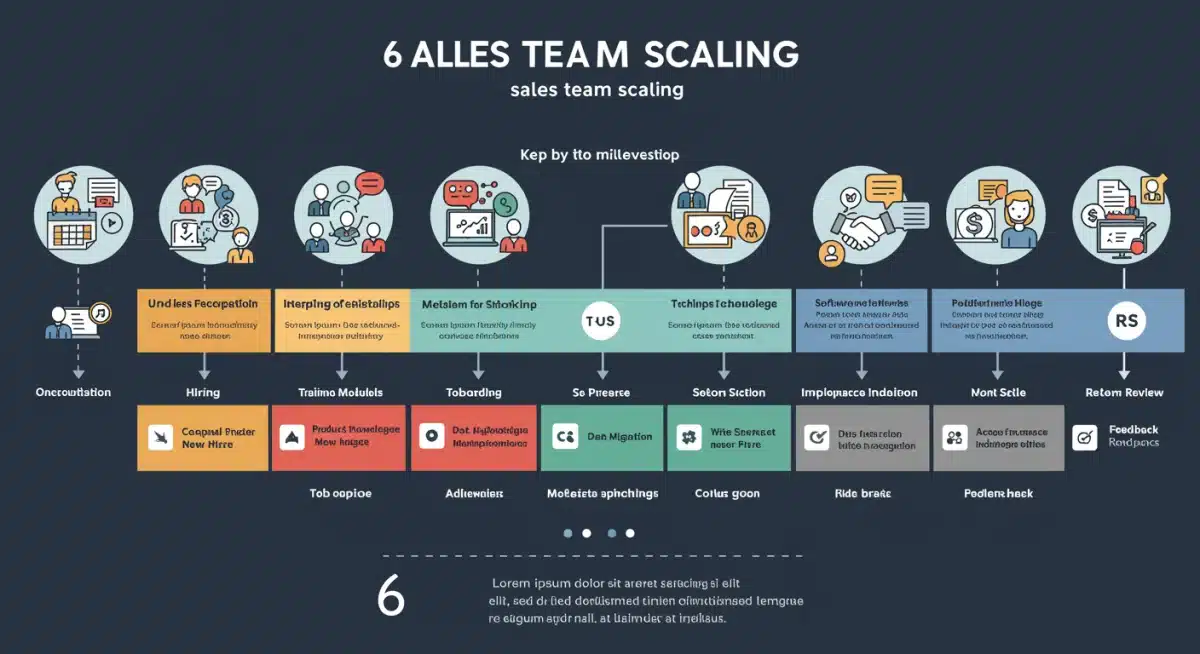
This comprehensive guide will walk you through a 6-month strategic plan designed to supercharge your sales efforts. We’ll delve into the critical phases of preparation, recruitment, onboarding, technological integration, training, and continuous optimization. By the end of this article, you’ll have a clear, actionable framework to not only double your outreach but also to cultivate a high-performing, resilient sales force ready to tackle the challenges and seize the opportunities of the future.
The Strategic Imperative: Why Scaling Your Sales Team Now?
The decision to expand a sales team is rarely made lightly. It involves significant investment in time, resources, and capital. However, the potential returns — increased market share, higher revenue, and enhanced brand visibility — often outweigh the initial outlay. As businesses vie for attention in increasingly crowded markets, a robust and efficient sales outreach mechanism becomes a significant competitive differentiator. Scaling sales team operations isn’t just about responding to demand; it’s about proactively creating it.
Ultimately, the primary driver for scaling sales team efforts is revenue growth. A larger team, equipped with the right tools and training, can generate more leads, close more deals, and consistently hit higher targets. But beyond immediate revenue, a well-scaled team contributes to long-term business sustainability. It creates a more diversified client base, reduces reliance on a few key accounts, and builds a stronger foundation for future expansion. This strategic growth ensures that your business is not only profitable today but also resilient for tomorrow.
Enhanced Customer Relationships and Brand Presence
More outreach doesn’t just mean more sales; it also means more touchpoints with your target audience. Each interaction is an opportunity to build brand awareness, establish trust, and cultivate lasting customer relationships. A larger sales team can dedicate more time to nurturing leads, providing personalized attention, and ensuring customer satisfaction, which in turn fuels referrals and repeat business. This holistic approach to customer engagement is a cornerstone of effective scaling sales team strategies.
Month 1-2: Laying the Foundation – Planning and Recruitment Strategy
The first two months are critical for establishing a solid groundwork. Rushing this phase can lead to costly mistakes down the line. It’s about meticulous planning, defining your ideal candidate profile, and initiating a robust recruitment process. This is where the strategic vision for scaling sales team truly begins to take shape.
Defining Your Ideal Sales Profile
Before you even think about posting a job ad, you need to clearly define who you’re looking for. What are the core competencies, skills, and personality traits that make a successful salesperson in your organization? Consider factors such as industry experience, communication skills, resilience, problem-solving abilities, and cultural fit. Are you looking for hunters, farmers, or a blend of both? The clearer your ideal profile, the more targeted and efficient your recruitment efforts will be. This clarity is paramount when scaling sales team operations.
Setting Clear Metrics and Goals
What does ‘doubling outreach capacity’ actually mean for your business? Translate this into concrete, measurable goals. This could involve increasing the number of outbound calls, emails, social media engagements, or discovery meetings. Establish benchmarks for individual performance and team targets. These metrics will not only guide your recruitment but also serve as key performance indicators (KPIs) for evaluating the success of your scaling efforts. Without clear goals, measuring the effectiveness of scaling sales team initiatives becomes impossible.
Crafting a Compelling Recruitment Strategy
Your recruitment strategy needs to be as compelling as your sales pitch. How will you attract top talent? Consider a multi-channel approach: professional networking sites, industry-specific job boards, recruitment agencies, and even internal referral programs. Highlight your company culture, growth opportunities, compensation structure, and the impact new hires will have. A strong employer brand is crucial for attracting the best candidates when scaling sales team operations.
Interviewing and Selection Process
Develop a structured interview process that assesses both skills and cultural fit. Incorporate behavioral questions, role-playing scenarios, and perhaps even a practical assignment to gauge real-world capabilities. Involve key stakeholders from your existing sales team in the interviewing process to ensure buy-in and a diverse perspective. The goal is to identify individuals who are not only skilled but also enthusiastic about contributing to your growth trajectory. This rigorous process is vital for successful scaling sales team endeavors.
Month 3-4: Onboarding, Training, and Technology Integration
With your new hires on board, the next two months are dedicated to transforming them into productive members of your sales force. This involves comprehensive onboarding, intensive training, and seamless integration of essential sales technologies. This phase is about empowering your team to hit the ground running, a critical aspect of effectively scaling sales team efforts.
Structured Onboarding Program
A well-structured onboarding program is paramount. It should go beyond just paperwork and cover company culture, product knowledge, sales processes, and CRM usage. Pair new hires with experienced mentors to provide guidance and support during their initial weeks. Regular check-ins and feedback sessions will help new team members feel valued and integrate quickly. A smooth onboarding process significantly reduces time-to-productivity for new sales representatives, which is key when scaling sales team operations.
Comprehensive Sales Training
Training should be ongoing and multi-faceted. This includes product training, sales methodologies (e.g., Challenger Sale, SPIN Selling), objection handling, negotiation skills, and effective communication techniques. Utilize a blend of classroom sessions, role-playing, online modules, and shadowing opportunities. Focus on developing both hard skills (e.g., CRM proficiency) and soft skills (e.g., active listening, empathy). Continuous learning is essential for maintaining a high-performing team, especially when scaling sales team capabilities.
Leveraging Sales Technology and Tools
Technology is the backbone of efficient sales outreach. Invest in and effectively integrate tools such as Customer Relationship Management (CRM) systems (e.g., Salesforce, HubSpot), sales engagement platforms (e.g., Salesloft, Outreach), lead generation tools, and communication platforms. Ensure your team is proficient in using these tools to automate tasks, track progress, manage pipelines, and gain valuable insights. The right tech stack can dramatically increase the efficiency and capacity of your sales team, making it indispensable for scaling sales team operations.
CRM System Optimization
Your CRM is the central hub for all sales activities. It needs to be meticulously configured to support your expanded team. This includes setting up new user accounts, customizing dashboards, defining sales stages, and integrating with other essential tools. Regular training on CRM best practices will ensure data integrity and maximize its utility for forecasting and reporting. A well-optimized CRM is non-negotiable when truly committed to scaling sales team efforts.
Sales Engagement Platforms
These platforms are crucial for automating and personalizing outreach at scale. They allow your team to create sequences of emails, calls, and social touches, ensuring consistent follow-up and maximizing efficiency. Training your team to leverage these tools effectively will directly contribute to doubling your outreach capacity. Without them, scaling sales team outreach becomes a manual, arduous task.
Month 5-6: Performance Optimization and Continuous Improvement
The final two months are about fine-tuning, analyzing performance, and establishing a culture of continuous improvement. This phase ensures that the increased outreach capacity translates into tangible results and that your scaling sales team efforts are sustainable in the long run.
Monitoring Key Performance Indicators (KPIs)
Regularly track the KPIs established in Month 1. This includes individual and team metrics such as number of calls made, emails sent, meetings booked, conversion rates at each stage of the funnel, and revenue generated. Utilize your CRM and sales engagement platforms to generate comprehensive reports and dashboards. Data-driven insights are crucial for identifying areas of strength and weakness within your scaling sales team.
Regular Coaching and Feedback
Sales managers play a pivotal role in this phase. Implement a consistent coaching rhythm, including one-on-one sessions, call reviews, and pipeline discussions. Provide constructive feedback, recognize achievements, and help team members overcome challenges. A supportive coaching environment fosters growth and motivates your team to achieve their full potential. Effective coaching is a cornerstone of successful scaling sales team strategies.
Optimizing Sales Processes
As your team grows and gains experience, continuously review and refine your sales processes. Are there bottlenecks in the sales funnel? Can certain steps be automated or streamlined? Gather feedback from your sales team, as they are on the front lines and often have valuable insights into process improvements. Agility in process optimization is vital for sustained success when scaling sales team operations.

Leveraging Data for Strategic Adjustments
The data collected from your sales activities is a goldmine. Analyze trends, identify patterns, and use these insights to make strategic adjustments. This might involve refining your target audience, adjusting your messaging, reallocating resources, or investing in additional training. Data-driven decision-making ensures that your scaling sales team efforts are constantly evolving and improving.
Building a Culture of Accountability and Motivation
Foster a culture where accountability is embraced, and success is celebrated. Set clear expectations, provide the necessary resources, and empower your team to take ownership of their results. Implement incentive programs, recognition schemes, and team-building activities to keep motivation high. A motivated and accountable team is the driving force behind sustainable growth when scaling sales team operations.
Key Considerations for Sustainable Scaling
While the 6-month roadmap focuses on rapid expansion, it’s equally important to consider the long-term sustainability of your growth. Scaling sales team effectively means building a foundation that can support continued success well beyond the initial six months.
Leadership Development
As your team grows, so does the need for strong leadership. Identify potential leaders within your existing team and invest in their development. Provide them with management training, coaching skills, and opportunities to lead smaller projects or teams. A robust leadership pipeline is crucial for managing a larger sales force and ensuring consistent performance. This foresight is critical for enduring scaling sales team success.
Talent Retention Strategies
Recruiting new talent is only half the battle; retaining your top performers is equally important. Implement competitive compensation packages, provide clear career progression paths, offer professional development opportunities, and maintain a positive work environment. High employee turnover can significantly undermine your scaling efforts. Strong retention strategies are fundamental for sustained scaling sales team growth.
Market Feedback Loop
Encourage your sales team to provide regular feedback from the market. What are prospects saying about your products or services? What are the common objections? What are competitors doing? This intelligence is invaluable for product development, marketing strategy, and overall business direction. A continuous feedback loop ensures your sales efforts remain aligned with market realities, which is vital for effective scaling sales team operations.
Budgeting and Resource Allocation
Revisit your budget regularly to ensure you have the necessary resources to support your expanded team. This includes salaries, commissions, training materials, technology licenses, and marketing support. Be prepared to adjust resource allocation based on performance and market conditions. Strategic budgeting is a non-negotiable component of successful scaling sales team initiatives.
Embracing AI and Automation
The future of sales is increasingly intertwined with artificial intelligence and automation. Explore how AI tools can enhance lead scoring, personalize outreach, predict customer behavior, and automate administrative tasks, freeing up your sales team to focus on high-value activities. Embracing these technologies will be crucial for maintaining a competitive edge and further amplifying your outreach capacity. AI integration is increasingly becoming a core pillar of modern scaling sales team strategies.
Challenges and How to Overcome Them When Scaling Your Sales Team
While the prospect of doubling your outreach capacity is exciting, it’s important to acknowledge that the journey won’t be without its challenges. Proactively identifying and addressing these hurdles will be key to successful scaling sales team efforts.
Maintaining Quality of Outreach
As you increase the volume of outreach, there’s a risk that the quality might suffer. This can lead to lower conversion rates and a damaged brand reputation. To counter this, emphasize personalized messaging, provide comprehensive training on communication best practices, and implement quality control measures for outreach efforts. Regularly review calls, emails, and social media interactions to ensure they align with your brand standards and sales strategy. Quality over quantity should always be a guiding principle, even when scaling sales team activities rapidly.
Integrating New Hires into Culture
Rapid growth can sometimes dilute company culture. It’s vital to actively integrate new hires into your existing culture. This involves more than just a formal onboarding process; it includes team-building activities, mentorship programs, and clear communication of your company’s values and mission. A strong, cohesive culture fosters collaboration and reduces friction, which is essential for a smoothly functioning, larger sales team. Cultural integration is as important as skill integration when scaling sales team operations.
Managing Increased Data Volume
More outreach means more data. Without proper systems and processes in place, this can quickly become overwhelming. Ensure your CRM is robust enough to handle the increased load and that your team is meticulously logging all interactions. Invest in analytics tools that can help you make sense of the data and extract actionable insights. Data management is a critical, often overlooked, aspect of successful scaling sales team projects.
Avoiding Burnout
The pressure to hit ambitious targets can lead to burnout among your sales team. Implement strategies to promote work-life balance, such as encouraging regular breaks, offering mental wellness resources, and ensuring realistic targets. A healthy and engaged team is a productive team. Recognizing and preventing burnout is crucial for the long-term success of your scaling sales team.
Budget Overruns
Scaling sales team operations can be expensive. It’s easy to underestimate the costs associated with recruitment, training, technology, and increased operational expenses. Maintain a tight grip on your budget, regularly review expenditures, and be prepared to make adjustments. Explore cost-effective solutions where possible without compromising quality. Prudent financial management is a hallmark of successful scaling initiatives.
Conclusion: Your Path to Doubled Outreach by 2026
Doubling your sales outreach capacity by 2026 is an ambitious yet entirely attainable goal. It requires a strategic, phased approach that prioritizes planning, robust recruitment, comprehensive training, and intelligent technology integration. By following this 6-month roadmap, you’re not just adding more salespeople; you’re building a more dynamic, efficient, and high-performing sales organization.
Remember, the journey of scaling sales team operations is continuous. The market will evolve, new challenges will emerge, and your team will grow. A commitment to ongoing optimization, continuous learning, and fostering a supportive culture will ensure that your sales force remains a powerful engine for sustained business growth for years to come. Embrace the challenge, execute with precision, and watch your outreach—and your revenue—soar.