Personalized Email Marketing: Boost Open Rates by 30% with Dynamic Content
Personalized Email Marketing 2.0: Boosting Open Rates by 30% with Dynamic Content in the Next 6 Months
In today’s hyper-connected digital landscape, generic email blasts are becoming relics of a bygone era. Consumers are inundated with information, and their inboxes are battlegrounds for attention. To cut through the noise and truly connect with your audience, you need more than just a good subject line; you need a strategy that speaks directly to each individual. This is where personalized email marketing steps in, not just as a trend, but as a fundamental shift in how we communicate with customers. We’re talking about Personalized Email Marketing 2.0 – a sophisticated approach focused on dynamic content to not only capture attention but to sustain engagement and drive conversions. Our ambitious goal? To help you achieve a remarkable 30% boost in open rates within the next six months.
The promise of personalized email marketing isn’t new, but its capabilities have evolved dramatically. Gone are the days of merely inserting a first name into an email. Today, personalization leverages vast amounts of data to deliver highly relevant, context-aware content that anticipates customer needs and preferences. This level of sophistication transforms emails from mere messages into valuable, individualized experiences. Imagine an email that not only knows what a customer has purchased but also suggests complementary products based on their browsing history, geographic location, and even the time of day they’re most likely to engage. This is the power of dynamic content, the engine behind truly effective personalized email marketing.
This comprehensive guide will delve deep into the mechanics of achieving such a significant uplift in open rates. We will explore the foundational principles of personalized email marketing, the transformative role of dynamic content, advanced segmentation techniques, and the crucial metrics you need to track. By the end of this article, you will have a clear roadmap to implement a cutting-edge email strategy that doesn’t just send emails, but orchestrates meaningful conversations with your audience, ultimately boosting your open rates and your bottom line.
The Evolution of Email: From Broadcasts to Bespoke Conversations
For a long time, email marketing was largely a one-to-many communication channel. Marketers would craft a single message and send it to their entire list, hoping it would resonate with a broad segment of their audience. While this approach generated some results, it often led to low engagement, high unsubscribe rates, and a general sense of being just another piece of spam in an already crowded inbox. The digital landscape, however, has changed. Consumers expect more. They expect brands to understand them, to anticipate their needs, and to communicate with them on a personal level. This expectation has propelled personalized email marketing from a ‘nice-to-have’ to an absolute ‘must-have’.
The shift towards personalization is driven by several key factors. Firstly, the sheer volume of digital content means that generic messages are easily overlooked. Secondly, advancements in data collection and analytics tools have made it easier than ever for businesses to gather and interpret customer data. Thirdly, the rise of sophisticated marketing automation platforms has democratized access to the tools needed to implement complex personalization strategies. As a result, businesses that fail to embrace personalized email marketing risk being left behind, struggling to achieve satisfactory open rates and customer loyalty.
The 2.0 version of personalized email marketing isn’t just about addressing a subscriber by name. It’s about creating an entire email experience tailored to their unique journey with your brand. This includes personalized product recommendations, content suggestions based on past interactions, location-specific offers, and even dynamic calls to action that adapt to the user’s stage in the sales funnel. The goal is to make every email feel like a direct, one-on-one conversation, fostering a deeper connection and significantly increasing the likelihood of engagement.
Understanding the Power of Dynamic Content in Personalized Email Marketing
At the heart of modern personalized email marketing lies dynamic content. Dynamic content refers to email elements that change based on specific user data, behaviors, or preferences. Instead of sending a static email to everyone, dynamic content allows you to automatically insert different text, images, product recommendations, or calls to action for each recipient. This capability transforms a single email template into thousands of unique messages, each optimized for the individual receiving it.
How Dynamic Content Works: The Underlying Mechanics
The magic of dynamic content is powered by data and conditional logic. Your email marketing platform integrates with your CRM, e-commerce platform, or other data sources to pull in relevant information about each subscriber. This data can include:
- Demographic Information: Name, location, age, gender.
- Behavioral Data: Past purchases, browsing history, abandoned carts, email opens/clicks, website visits.
- Preference Data: Stated interests, communication frequency preferences, preferred product categories.
- Contextual Data: Time of day, weather conditions, current promotions.
Based on this data, rules are set within your email template. For example, a rule might state: “If a user has viewed product X but not purchased it, display a discount code for product X. If they have purchased product X, display complementary product Y.” This level of automation ensures that every email is maximally relevant, driving up the perceived value of your communications and, consequently, your open rates.
Examples of Dynamic Content in Action
To illustrate the impact of dynamic content, consider these practical applications:
- Personalized Product Recommendations: An e-commerce site can display products similar to past purchases or items viewed, leading to higher click-through rates and conversions.
- Location-Based Offers: A retail chain can promote sales at the nearest store to the subscriber, complete with directions and local inventory updates.
- Content Adaptation: A media company can show articles or videos based on a subscriber’s past reading habits or stated interests.
- Lifecycle Stage Messaging: A SaaS company can send different onboarding tips to new users versus advanced feature guides to long-term subscribers.
- Real-Time Weather Updates: A travel agency can suggest destinations based on the subscriber’s current weather or preferred climate.
These examples highlight how dynamic content goes beyond basic personalization, creating truly engaging and valuable email experiences. The more relevant your emails are, the more likely your subscribers are to open them, read them, and act upon them. This direct correlation is precisely why focusing on dynamic content is paramount for boosting your personalized email marketing open rates.
Strategic Segmentation: The Foundation of Effective Personalization
While dynamic content is the engine, strategic segmentation is the fuel for successful personalized email marketing. You can’t personalize effectively if you treat your entire audience as a single entity. Segmentation involves dividing your email list into smaller, more homogeneous groups based on shared characteristics. This allows you to tailor your messaging to the specific needs and interests of each segment, making your dynamic content even more impactful.
Key Segmentation Strategies for Personalized Email Marketing
Effective segmentation can be achieved through various criteria:
- Demographic Segmentation: Grouping subscribers by age, gender, location, income level, or occupation. This is foundational for many personalized campaigns.
- Geographic Segmentation: Targeting users based on their location, enabling localized promotions, events, or content.
- Psychographic Segmentation: Dividing your audience by their lifestyle, values, attitudes, interests, and personality traits. This often requires more sophisticated data gathering, such as surveys or social media analysis.
- Behavioral Segmentation: Grouping subscribers based on their interactions with your brand. This is arguably the most powerful form of segmentation for personalized email marketing and includes:
- Purchase History: Segmenting by products bought, frequency of purchase, average order value.
- Website Activity: Segmenting by pages visited, time spent on site, specific product views, downloads.
- Email Engagement: Segmenting by open rates, click-through rates, unsubscribes, inactive subscribers.
- Lifecycle Stage: Grouping subscribers based on where they are in their customer journey (new subscriber, first-time buyer, loyal customer, at-risk customer).
Combining these segmentation strategies allows for highly granular targeting. For instance, you could target “new female customers in New York who have browsed summer dresses but haven’t purchased in the last 30 days.” This level of precision ensures that the dynamic content you deliver is incredibly relevant, leading to significantly higher open rates and engagement.
Implementing Segmentation for a 30% Open Rate Boost
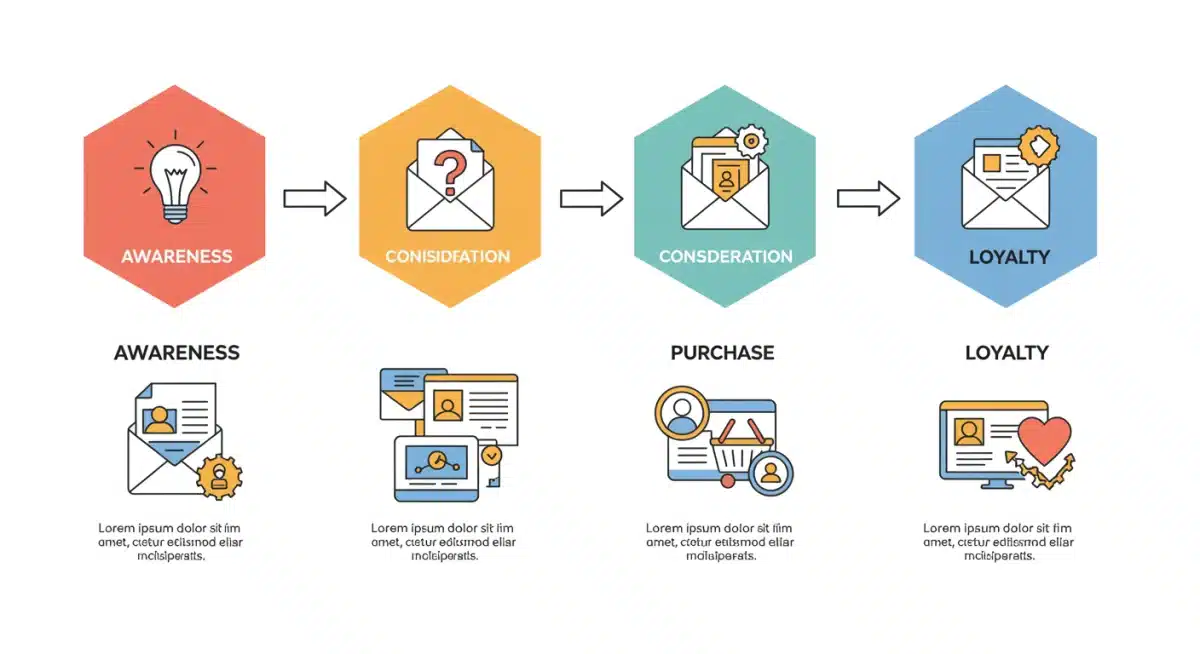
To achieve your 30% open rate boost, focus on creating segments that allow for truly distinct and valuable messaging. Start with broad segments and gradually refine them as you gather more data. For example:
- Welcome Series for New Subscribers: Segment new sign-ups and send a series of onboarding emails introducing your brand, values, and popular products/services.
- Abandoned Cart Recovery: Target users who added items to their cart but didn’t complete the purchase with reminders and potential incentives.
- Re-engagement Campaigns: Identify inactive subscribers and send targeted campaigns designed to bring them back into the fold with exclusive offers or updated content.
- Post-Purchase Follow-ups: Segment recent buyers to recommend complementary products, request reviews, or provide usage tips.
The more refined your segments, the more precisely you can apply dynamic content, ensuring each email feels handcrafted for the recipient. This meticulous approach to segmentation is a non-negotiable component of a high-performing personalized email marketing strategy.
Crafting Compelling Subject Lines and Preheaders for Personalization
Even the most perfectly personalized email with dynamic content won’t get opened if the subject line and preheader don’t grab attention. These two elements are your first, and often only, chance to convince a subscriber to click. In the context of personalized email marketing, they become even more critical, as they can hint at the tailored content within.
The Art of the Personalized Subject Line
While simple name personalization in a subject line can be a good start, true personalization goes deeper:
- Reference Past Behavior: “Your recent views on [Product Category] are on sale!”
- Highlight Specific Interests: “New arrivals just for [Your Favorite Brand] fans!”
- Create Urgency with Personal Context: “[Name], your cart expires soon!” or “Last chance for your [Loyalty Tier] discount!”
- Ask a Personalized Question: “Did you find what you were looking for, [Name]?”
- Acknowledge Milestones: “Happy Birthday, [Name]! Here’s a treat for you.”
The key is to make the subject line feel directly relevant to the individual. Avoid generic phrases and instead, use data points you’ve collected to create a compelling, personalized hook. A well-crafted, personalized subject line can significantly contribute to that 30% boost in open rates by making the recipient feel seen and valued.
Leveraging Preheaders for Enhanced Personalization
The preheader text, the short snippet of text that appears after the subject line in the inbox, is often an underutilized asset. It provides an additional opportunity to extend your personalized message and entice opens. Use it to:
- Expand on the Subject Line: If your subject line is a question, the preheader can offer a hint at the answer or the benefit.
- Reinforce Personalization: “We’ve curated these just for you, [Name].”
- Showcase Dynamic Content: “Exclusive offers based on your recent activity await inside!”
- Provide a Clear Call to Value: “Don’t miss out on savings tailored to your preferences.”
By working in tandem, a personalized subject line and preheader create a powerful one-two punch, signaling to the subscriber that the email contains highly relevant and valuable content specifically for them. This initial impression is crucial for improving open rates in any personalized email marketing campaign.
Measuring Success: KPIs for Personalized Email Marketing
Achieving a 30% boost in open rates within six months requires diligent tracking and analysis. Without clear Key Performance Indicators (KPIs), you won’t know if your personalized email marketing efforts are paying off. Beyond open rates, several other metrics provide a holistic view of your campaign’s effectiveness.
Essential Metrics to Monitor
- Open Rate (OR): This is your primary target. Track it meticulously across different segments and campaign types. A significant increase here indicates your personalization and dynamic content are resonating.
- Click-Through Rate (CTR): A high CTR shows that not only are people opening your emails, but they are also engaging with the content and taking the desired action. Personalized calls to action and relevant dynamic content should drive this up.
- Conversion Rate: Ultimately, email marketing aims to drive conversions (purchases, sign-ups, downloads). Track the percentage of recipients who complete a desired action after clicking through your email.
- Bounce Rate: This indicates how many emails couldn’t be delivered. A high bounce rate suggests issues with your list hygiene, which can impact deliverability and open rates.
- Unsubscribe Rate: While some unsubscribes are inevitable, a sudden spike can indicate that your personalization isn’t hitting the mark or your content isn’t relevant.
- List Growth Rate: While not a direct measure of personalization, a healthy list growth rate ensures you have a continuous stream of new subscribers to engage with your personalized campaigns.
- Revenue Per Email (RPE): This metric directly ties your email efforts to your bottom line, providing a clear picture of the financial impact of your personalized email marketing.
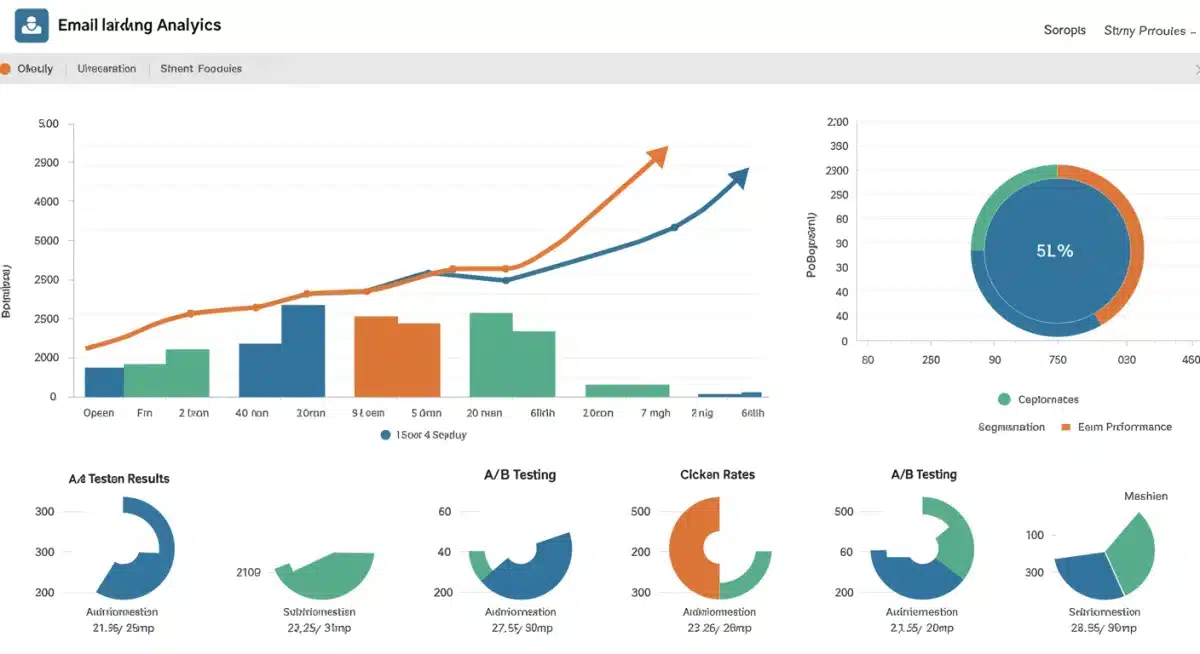
By regularly monitoring these KPIs, you can identify what’s working, what’s not, and make data-driven adjustments to your personalized email marketing strategy. A/B testing different subject lines, dynamic content blocks, and calls to action across your segments will be crucial for continuous optimization.
Setting Up Your Measurement Framework
To accurately track your progress towards a 30% open rate boost, ensure your email marketing platform is integrated with your CRM and analytics tools. Set up custom dashboards to visualize your KPIs over time, focusing on trends and comparisons between personalized and non-personalized campaigns (if you’re running both). Regularly review these dashboards, ideally weekly or bi-weekly, to quickly identify opportunities for improvement and capitalize on successful strategies. This proactive approach to measurement is fundamental for optimizing your personalized email marketing efforts.
Overcoming Challenges in Implementing Personalized Email Marketing
While the benefits of personalized email marketing are clear, implementing a truly dynamic and effective strategy can come with its challenges. From data management to content creation, several hurdles need to be addressed to ensure a smooth and successful transition to a 2.0 approach.
Data Collection and Integration
The foundation of personalization is data. Without accurate, comprehensive, and well-integrated data, your dynamic content will fall flat. Challenges include:
- Data Silos: Information scattered across different systems (CRM, e-commerce, website analytics) making it difficult to get a unified customer view.
- Data Quality: Inaccurate, incomplete, or outdated data can lead to irrelevant personalization, damaging customer trust.
- Integration Complexity: Connecting various platforms to create a seamless data flow can be technically challenging.
Solutions: Invest in a robust Customer Data Platform (CDP) or ensure your existing marketing automation platform has strong integration capabilities. Prioritize data hygiene and implement processes for regular data cleansing and updating. A unified data strategy is critical for successful personalized email marketing.
Content Creation and Management
Dynamic content requires more than just one version of an email. You need multiple content blocks, images, and calls to action for different segments and scenarios. This can strain content creation resources.
- Scalability: Producing enough personalized content for all segments can be time-consuming.
- Consistency: Ensuring brand voice and message consistency across all dynamic variations.
Solutions: Leverage content modularity, creating reusable content blocks that can be easily assembled into personalized emails. Utilize AI-powered content generation tools for initial drafts or variations. Develop a clear content strategy that maps dynamic content to specific customer segments and stages in the journey. This will make your personalized email marketing efforts more efficient.
Testing and Optimization
With multiple variables at play, testing personalized emails can be more complex than traditional A/B testing.
- Complexity of A/B Testing: Testing different dynamic content variations across multiple segments can become intricate.
- Attribution: Accurately attributing conversions to specific personalized elements can be challenging.
Solutions: Start with simple A/B tests on key dynamic elements (e.g., two versions of a product recommendation block). Gradually introduce more complex testing as you become more proficient. Use UTM parameters and robust analytics to track the performance of different personalized content elements. Continuous testing and iteration are vital for refining your personalized email marketing strategy and achieving that 30% open rate boost.
The Future is Now: AI and Hyper-Personalization
The journey towards a 30% boost in open rates through personalized email marketing is an ongoing one, and the next frontier is already here: Artificial Intelligence (AI) and machine learning (ML). These technologies are rapidly transforming the capabilities of personalization, moving beyond rule-based dynamic content to truly intelligent, adaptive email experiences.
AI-Driven Personalization: What’s Next?
- Predictive Analytics: AI can analyze vast datasets to predict future customer behavior, such as the likelihood of purchase, churn risk, or interest in a new product category. This allows for proactive and highly relevant email interventions.
- Automated Content Generation: AI can assist in generating personalized subject lines, email copy, and even product descriptions, optimizing them for each individual based on their past engagement and preferences.
- Optimal Send Times: ML algorithms can determine the best time of day or week to send an email to each individual subscriber, maximizing the chances of an open.
- Dynamic Product Bundling: AI can identify optimal product bundles or complementary items to recommend to each customer, going beyond simple ‘customers also bought’ suggestions.
- Sentiment Analysis: AI can analyze customer feedback and interactions to gauge sentiment, allowing for more empathetic and targeted responses in email communications.
Embracing AI in your personalized email marketing strategy means moving from reactive personalization (based on past actions) to proactive hyper-personalization (anticipating future needs). This advanced level of customization will further enhance the relevance of your emails, making your goal of a 30% open rate increase not just achievable, but potentially surpassable.
Getting Ready for AI in Personalized Email Marketing
To prepare for the full integration of AI into your personalized email marketing efforts, focus on:
- Building a Strong Data Foundation: AI thrives on data. The cleaner, more integrated, and comprehensive your customer data, the more effective your AI-driven personalization will be.
- Experimentation: Start experimenting with AI features available in modern marketing automation platforms, such as AI-powered subject line suggestions or send time optimization.
- Continuous Learning: Stay updated on the latest advancements in AI and machine learning for marketing.
The evolution of personalized email marketing is relentless, and AI is set to revolutionize how we connect with our audiences, making every email a uniquely tailored and incredibly effective communication.
Conclusion: Your Roadmap to a 30% Open Rate Boost with Personalized Email Marketing
The journey to achieving a 30% boost in open rates within six months through personalized email marketing is ambitious but entirely attainable. It requires a strategic shift from mass communication to individualized conversations, driven by the intelligent application of data and dynamic content. We’ve explored the critical components: understanding the evolution of email, harnessing the power of dynamic content, implementing strategic segmentation, crafting compelling personalized subject lines, meticulously measuring your KPIs, and overcoming common implementation challenges.
By focusing on these pillars, your brand can move beyond generic email blasts and deliver messages that genuinely resonate with each subscriber. Remember, the goal is not just to send emails, but to create valuable, engaging experiences that build lasting customer relationships. This level of dedication to personalized email marketing not only impacts open rates but also translates into higher click-through rates, increased conversions, and ultimately, greater customer loyalty and revenue.
Start by auditing your current email strategy. Identify areas where personalization can be introduced or deepened. Invest in the right tools and ensure your data infrastructure is robust. Most importantly, commit to continuous testing and optimization. The digital landscape is always evolving, and your email strategy should too. Embrace the power of personalized email marketing 2.0, and watch your engagement metrics, starting with those crucial open rates, soar. The future of email is personal, and the time to act is now.