Micro-Influencers: US Marketing Strategy for 2x ROI by 2026
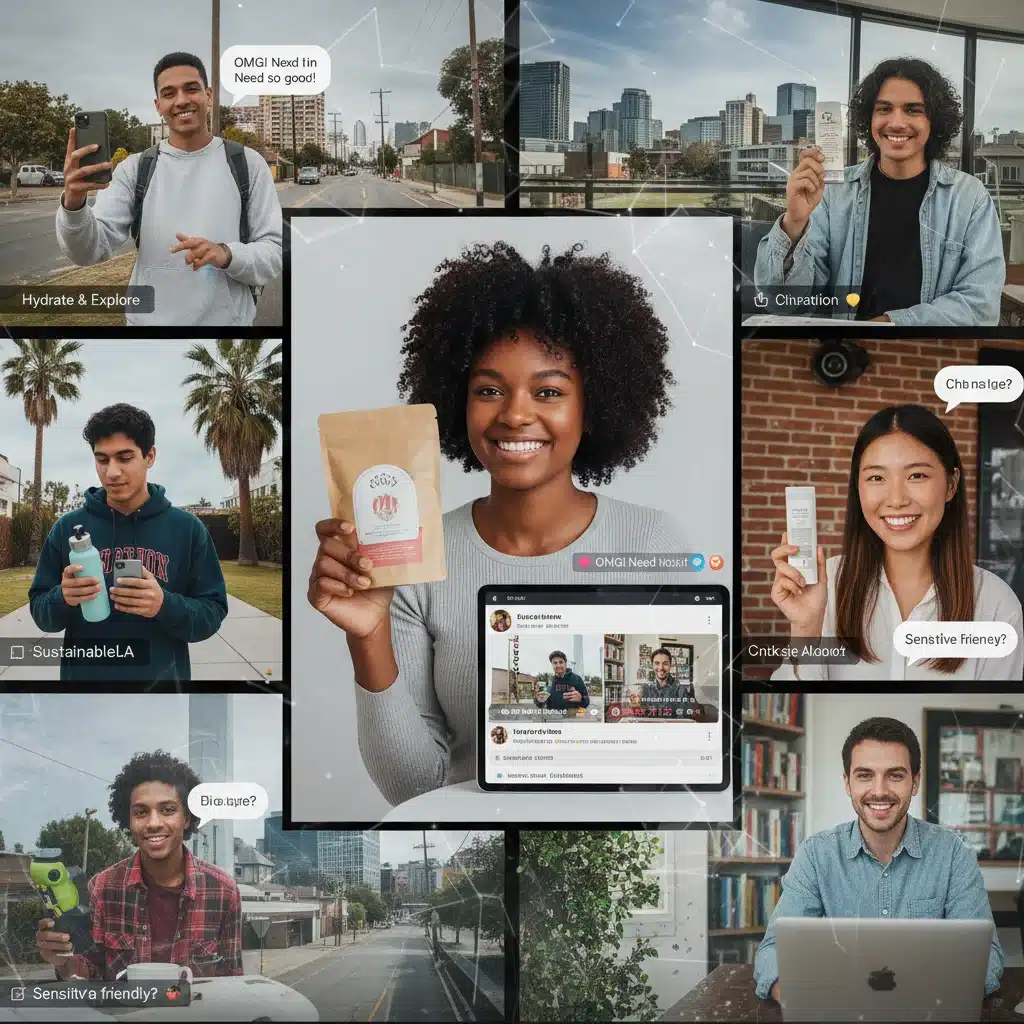
The Rise of Micro-Influencers: A Cost-Effective US Marketing Strategy Delivering 2x ROI by Mid-2026
In the dynamic landscape of modern marketing, businesses are constantly seeking innovative and efficient ways to connect with their target audiences. The United States, a vast and diverse market, presents both immense opportunities and significant challenges for brands vying for consumer attention. Amidst this competitive environment, a powerful trend has emerged: the ascent of micro-influencer marketing US. Far from the celebrity endorsements that once dominated the influencer space, micro-influencers, with their smaller yet highly engaged followings, are proving to be a game-changer. This comprehensive guide delves into why micro-influencers are not just a fleeting trend but a strategic imperative for brands aiming for a projected 2x ROI by mid-2026, offering a cost-effective pathway to unparalleled brand authenticity and consumer trust.
The traditional influencer marketing model, often characterized by exorbitant fees for mega-influencers and celebrities, has started to show diminishing returns for many brands. Consumers are increasingly discerning, craving genuine connections and authentic recommendations over glossy, overly produced advertisements. This shift in consumer behavior has paved the way for micro-influencers – individuals typically with 1,000 to 100,000 followers – to shine. Their strength lies not in the sheer volume of their audience, but in the depth of their engagement and the niche relevance of their content. For businesses operating within the US, understanding and strategically employing micro-influencer marketing US is no longer an option but a necessity for sustainable growth and a significant return on investment.
Understanding the Micro-Influencer Phenomenon in the US Market
To fully grasp the potential of micro-influencer marketing US, it’s essential to define what makes these individuals so impactful. Unlike macro-influencers or celebrities, micro-influencers have cultivated their audiences organically, often around specific passions, hobbies, or local communities. This specialization fosters a deep sense of trust and relatability with their followers. When a micro-influencer recommends a product or service, it resonates as a genuine endorsement from a trusted peer, rather than a paid advertisement from a distant celebrity.
In the expansive and varied US market, this localized and niche expertise is invaluable. A brand targeting outdoor enthusiasts in the Pacific Northwest, for example, would achieve far greater traction partnering with a local hiking micro-influencer than with a national celebrity whose audience might be too broad and less engaged with specific regional interests. This precision targeting is a cornerstone of the cost-effectiveness and high ROI associated with micro-influencer marketing US. They bridge the gap between brands and highly specific consumer segments, ensuring that marketing messages reach those most likely to convert.
Furthermore, micro-influencers typically exhibit higher engagement rates. Studies consistently show that as follower counts increase, engagement rates tend to decrease. Micro-influencers, with their more manageable audience sizes, can foster two-way conversations, respond to comments, and build genuine relationships. This direct interaction translates into a more attentive and receptive audience for sponsored content, ultimately driving better campaign performance for brands.
The Cost-Effectiveness Advantage: Why Micro-Influencers Deliver More for Less
One of the most compelling arguments for adopting micro-influencer marketing US is its inherent cost-effectiveness. In an era where marketing budgets are under constant scrutiny, achieving maximum impact with minimal expenditure is paramount. Micro-influencers typically charge significantly less than their macro counterparts, making high-quality influencer campaigns accessible even for small to medium-sized businesses. This lower financial barrier allows brands to run multiple campaigns, experiment with different niches, and diversify their influencer portfolio without breaking the bank.
Beyond the direct cost savings on influencer fees, the enhanced engagement and conversion rates offered by micro-influencers contribute to a superior ROI. Imagine investing $10,000 into a campaign with a mega-influencer that yields a 1% conversion rate, versus investing the same amount across ten micro-influencers, each delivering a 5% conversion rate within their niche. The latter scenario, often achievable with micro-influencer marketing US, clearly demonstrates a more efficient allocation of resources and a higher return on investment.
The ability to scale campaigns by working with numerous micro-influencers also provides a safety net. If one micro-influencer campaign doesn’t perform as expected, the overall impact on the brand’s marketing efforts is minimal, unlike placing all eggs in one basket with a single, expensive celebrity endorsement. This distributed risk model, combined with the lower cost per engagement, positions micro-influencers as an intelligent and sustainable marketing investment for businesses across the US.
Projected 2x ROI by Mid-2026: A Data-Backed Outlook
The assertion of a projected 2x ROI by mid-2026 for micro-influencer marketing US is not mere speculation; it’s rooted in evolving market trends, consumer behavior shifts, and the inherent efficiencies of this marketing approach. As the digital landscape becomes increasingly saturated, consumers are developing ‘ad blindness’ to traditional marketing. They actively seek out authentic voices and trusted recommendations, which micro-influencers provide in spades.
The US market, with its diverse demographics and regional nuances, is particularly ripe for micro-influencer strategies. Brands can tap into hyper-local communities, specific cultural groups, or niche interest segments with unparalleled precision. This targeted approach minimizes wasted ad spend and maximizes the relevance of marketing messages, directly contributing to higher conversion rates and, consequently, a greater ROI.
Furthermore, advancements in analytics and tracking tools are making it easier for brands to measure the direct impact of micro-influencer campaigns. From tracking unique discount codes to monitoring website traffic and sales attributed to specific influencer links, the ability to quantify success is becoming more sophisticated. This data-driven approach allows brands to optimize their micro-influencer marketing US strategies, refining their selection process and campaign execution to consistently improve ROI over time.
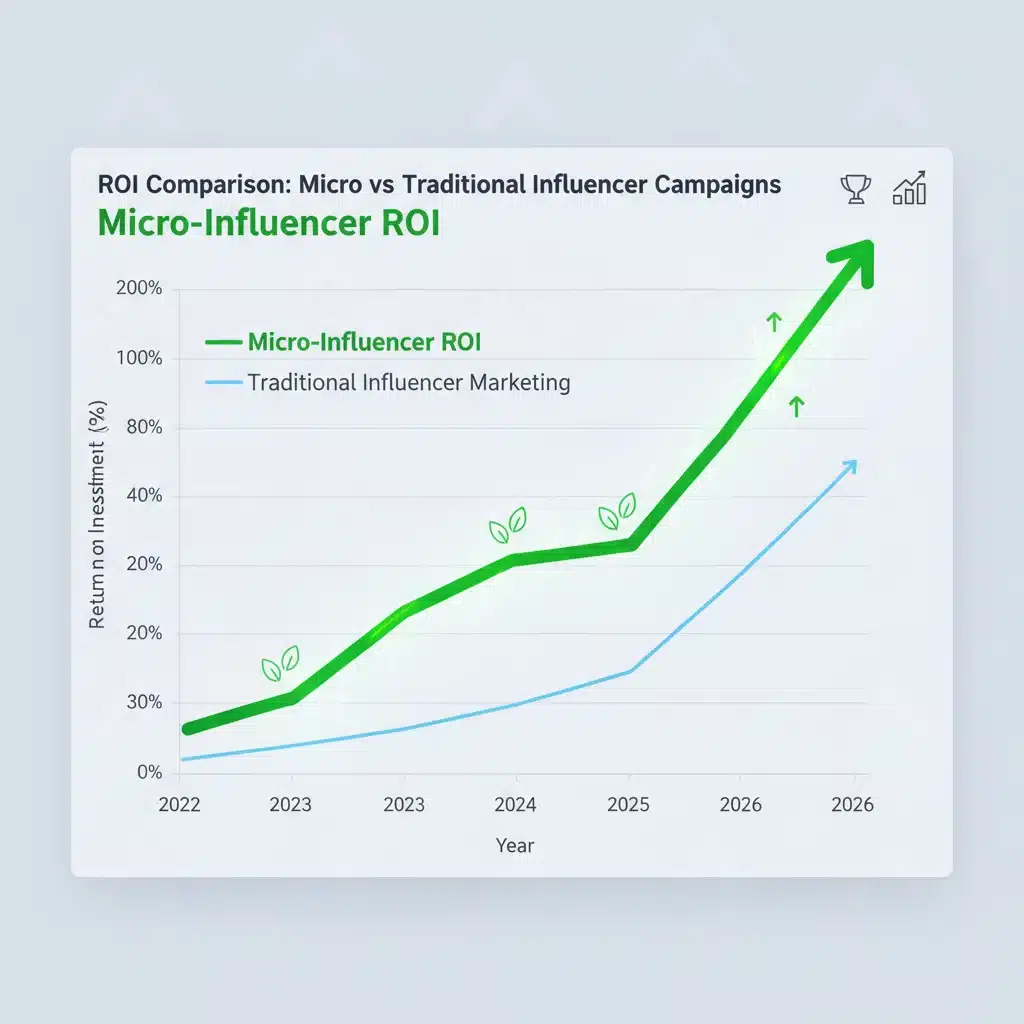
The projected doubling of ROI is also fueled by the increasing maturity of the micro-influencer ecosystem. As more brands recognize their value, the infrastructure supporting these collaborations – from influencer platforms to specialized agencies – continues to improve, streamlining the process and making it even more efficient for businesses to find, vet, and collaborate with the right micro-influencers. This synergy between evolving consumer preferences, technological advancements, and a maturing market creates a powerful catalyst for significant ROI growth.
Crafting a Winning Micro-Influencer Strategy for the US Market
Implementing a successful micro-influencer marketing US strategy requires more than just finding individuals with small followings. It demands a thoughtful, structured approach. Here’s a breakdown of key steps:
1. Define Your Objectives and Target Audience
Before reaching out to any influencer, clarify what you aim to achieve. Are you looking to increase brand awareness, drive sales, generate leads, or boost engagement? Your objectives will guide your choice of micro-influencers and the metrics you track. Simultaneously, precisely define your target audience, including demographics, psychographics, interests, and geographic location within the US. The more specific you are, the better you can match with relevant micro-influencers.
2. Identify the Right Micro-Influencers
This is perhaps the most critical step in micro-influencer marketing US. Look for individuals whose content aligns perfectly with your brand values and product/service. Authenticity is key. Tools like influencer marketing platforms, social media listening, and even simple hashtag searches can help. Pay close attention to:
- Niche Relevance: Do they genuinely create content related to your industry or product?
- Engagement Rate: A high engagement rate (likes, comments, shares relative to follower count) is more important than raw follower numbers.
- Audience Demographics: Ensure their audience matches your target audience in terms of age, location, and interests.
- Content Quality and Consistency: Do they produce high-quality, engaging content regularly?
- Authenticity: Do their posts feel genuine, or are they overly promotional?
3. Foster Authentic Relationships
Micro-influencers thrive on genuine connections. Approach them as partners, not just as advertising channels. Personalize your outreach, demonstrate that you understand their content, and explain why your brand would be a good fit for their audience. Offering creative freedom within certain guidelines often leads to more authentic and effective content.
4. Develop Clear Campaign Briefs
While allowing creative freedom, provide clear guidelines on campaign objectives, key messaging points, any mandatory disclosures (e.g., #ad, #sponsored), and desired calls to action. A well-structured brief ensures alignment without stifling creativity.
5. Measure and Analyze Performance
Track key performance indicators (KPIs) relevant to your objectives. This might include reach, impressions, engagement rate, website clicks, conversions, and sales. Utilize unique tracking links, discount codes, and UTM parameters to accurately attribute results to specific micro-influencer campaigns. Regular analysis allows you to refine your strategy and optimize for better ROI, driving the projected 2x ROI for micro-influencer marketing US.

Case Studies: Micro-Influencers in Action Across US Industries
The versatility of micro-influencer marketing US makes it applicable across a myriad of industries. Let’s look at a few hypothetical, yet illustrative, examples:
Local Restaurant Chain (Food & Beverage)
A regional US restaurant chain wanting to promote a new menu item or a limited-time offer could partner with local food bloggers and Instagrammers (micro-influencers) in specific neighborhoods. These influencers, with their dedicated local foodie followers, could generate buzz through authentic reviews, enticing photos, and stories. The cost would be significantly lower than traditional advertising, and the direct, local engagement would drive foot traffic and online orders, leading to a high ROI.
Sustainable Fashion Brand (Retail)
A sustainable fashion startup targeting environmentally conscious consumers in the US could collaborate with micro-influencers passionate about ethical consumption and slow fashion. These influencers would authentically showcase the brand’s clothing, discuss its sustainable practices, and inspire their followers to make conscious purchasing decisions. The trust built by these influencers would translate into sales and brand loyalty, proving the power of micro-influencer marketing US in niche markets.
Tech Gadget Company (Consumer Electronics)
A company launching a new smart home device might engage tech review micro-influencers who specialize in home automation. These influencers could provide in-depth, honest reviews, tutorials, and comparisons, reaching an audience keenly interested in new technology. The detailed content and genuine recommendations would drive informed purchase decisions, highlighting the effectiveness of micro-influencers in complex product categories.
Challenges and Considerations for US Micro-Influencer Campaigns
While the benefits of micro-influencer marketing US are substantial, brands must also be aware of potential challenges and considerations:
- Scalability of Outreach: Managing relationships with numerous micro-influencers can be time-consuming. Utilizing influencer platforms or agencies can help streamline this process.
- Maintaining Brand Consistency: While creative freedom is encouraged, ensuring that influencer content aligns with brand messaging and tone is crucial. Clear guidelines and communication are essential.
- Compliance and Disclosure: The Federal Trade Commission (FTC) in the US has strict guidelines regarding influencer disclosures. Brands must ensure influencers clearly disclose sponsored content to maintain transparency and trust.
- Fraudulent Engagement: While less common with micro-influencers, it’s still important to vet their audience for authenticity to avoid partnering with accounts that have fake followers or engagement.
Addressing these challenges proactively will ensure smoother campaigns and contribute to realizing the projected 2x ROI for micro-influencer marketing US. Investing in robust vetting processes and clear contractual agreements can mitigate many of these risks.
The Future of Micro-Influencer Marketing in the US
Looking ahead to mid-2026 and beyond, the influence of micro-influencers is only expected to grow. As social media platforms continue to evolve and consumer preferences for authenticity intensify, the value of genuine, niche-specific recommendations will become even more pronounced. Brands that embrace micro-influencer marketing US now will be at a significant advantage, building strong, resilient relationships with their target audiences and establishing a reputation for trustworthiness.
The shift towards community-driven commerce, where purchasing decisions are heavily influenced by peer recommendations and trusted voices, perfectly aligns with the strengths of micro-influencers. Their ability to foster highly engaged, loyal communities makes them indispensable assets for brands seeking sustainable growth and a competitive edge in the crowded US market. The projected 2x ROI is not just an optimistic forecast; it’s a reflection of a fundamental paradigm shift in how effective marketing is conducted.
Conclusion: Harnessing the Power of Micro-Influencers for Superior ROI
The landscape of marketing in the United States is continuously evolving, but the core principle of connecting with consumers authentically remains timeless. Micro-influencer marketing US represents the pinnacle of this principle, offering a powerful, cost-effective, and highly impactful strategy for brands of all sizes. By leveraging the genuine connections and niche expertise of micro-influencers, businesses can achieve unparalleled engagement, drive meaningful conversions, and ultimately realize a projected 2x ROI by mid-2026.
Embracing this strategy means moving beyond the allure of mega-celebrities and focusing on the true power of community and trust. It requires a thoughtful approach to identification, relationship building, and performance measurement. However, the rewards – increased brand loyalty, enhanced credibility, and a significant return on investment – make it a journey well worth undertaking. For any brand looking to thrive in the competitive US market, integrating micro-influencer marketing US into their core strategy is not just a smart move; it’s a strategic imperative for future success.