Marketing Analytics Dashboards: 360-Degree Customer Views for Q4 2026

In the rapidly evolving landscape of digital marketing, staying ahead requires more than just intuition; it demands a profound understanding of your customers, powered by robust data. As businesses gear up for Q4 2026, the strategic deployment of marketing analytics dashboards has never been more critical. These sophisticated tools are no longer just about tracking metrics; they are about synthesizing vast amounts of data into actionable insights, providing a coveted 360-degree view of the customer. This comprehensive perspective is the cornerstone of effective campaign optimization, allowing marketers to tailor strategies, predict trends, and ultimately drive unparalleled success.
The final quarter of any year is often the most competitive and crucial for achieving annual targets. With holiday shopping, year-end sales, and new product launches, Q4 2026 will be no exception. To navigate this high-stakes period successfully, marketers need to move beyond siloed data and embrace integrated solutions that offer a holistic understanding of customer behavior. This article delves into the latest advancements in marketing analytics dashboards, exploring how they empower businesses to gain a complete customer view, refine their Q4 2026 campaigns, and unlock significant ROI.
The Evolution of Marketing Analytics Dashboards: Beyond Basic Reporting
Gone are the days when marketing analytics simply meant compiling spreadsheets and generating static reports. Modern marketing analytics dashboards have transformed into dynamic, interactive platforms that offer real-time insights, predictive capabilities, and personalized reporting. This evolution is driven by several factors, including the explosion of data sources, advancements in artificial intelligence (AI) and machine learning (ML), and the increasing demand for instant, actionable intelligence.
From Data Silos to Integrated Ecosystems
One of the most significant challenges marketers face is the fragmentation of data. Customer interactions occur across numerous channels: websites, social media, email, mobile apps, CRM systems, and more. Historically, data from these sources often resided in separate silos, making it difficult to form a cohesive picture of the customer journey. Today’s advanced marketing analytics dashboards are designed to integrate data from all these disparate sources into a single, unified view. This integration is crucial for understanding how different touchpoints influence customer behavior and campaign performance.
For Q4 2026, this integration means that a marketer can see how a social media ad campaign influences website visits, which then leads to email sign-ups, and eventually culminates in a purchase. Without integrated dashboards, tracking such a complex journey would be a Herculean task, leading to missed opportunities and suboptimal campaign performance. The ability to connect these dots provides a powerful narrative about customer engagement and conversion paths.
Real-time Insights for Agile Marketing
In the fast-paced marketing world, decisions need to be made quickly. Waiting days or weeks for reports to be generated can mean missing out on critical opportunities or failing to mitigate risks in a timely manner. The latest marketing analytics dashboards offer real-time data processing and visualization, allowing marketers to monitor campaign performance as it happens. This agility is invaluable, especially during intense periods like Q4. Imagine being able to see a sudden drop in engagement for a key holiday promotion and adjust your strategy within hours, rather than discovering the issue days later when it’s too late to recover.
Real-time insights empower marketers to:
- Optimize ad spend: Reallocate budgets to best-performing channels and campaigns on the fly.
- Respond to market shifts: Quickly adapt to competitor activities or changes in consumer sentiment.
- Personalize experiences: Deliver relevant content and offers based on immediate customer behavior.
- Identify issues proactively: Spot potential problems before they escalate into major campaign failures.
Achieving the 360-Degree Customer View with Advanced Dashboards
The ultimate goal of modern marketing analytics dashboards is to provide a complete, 360-degree view of each customer. This means understanding not just what a customer does, but why they do it. It encompasses their demographics, purchase history, browsing behavior, social media interactions, customer service inquiries, and even their stated preferences. This comprehensive understanding allows businesses to move beyond generic marketing to highly personalized and effective strategies.
Customer Journey Mapping and Attribution
One of the most powerful features contributing to the 360-degree view is advanced customer journey mapping. Dashboards can visualize the entire path a customer takes, from their first interaction with your brand to their latest purchase and beyond. This includes all touchpoints, both online and offline. By mapping these journeys, marketers can identify bottlenecks, optimize conversion funnels, and pinpoint the most influential channels.
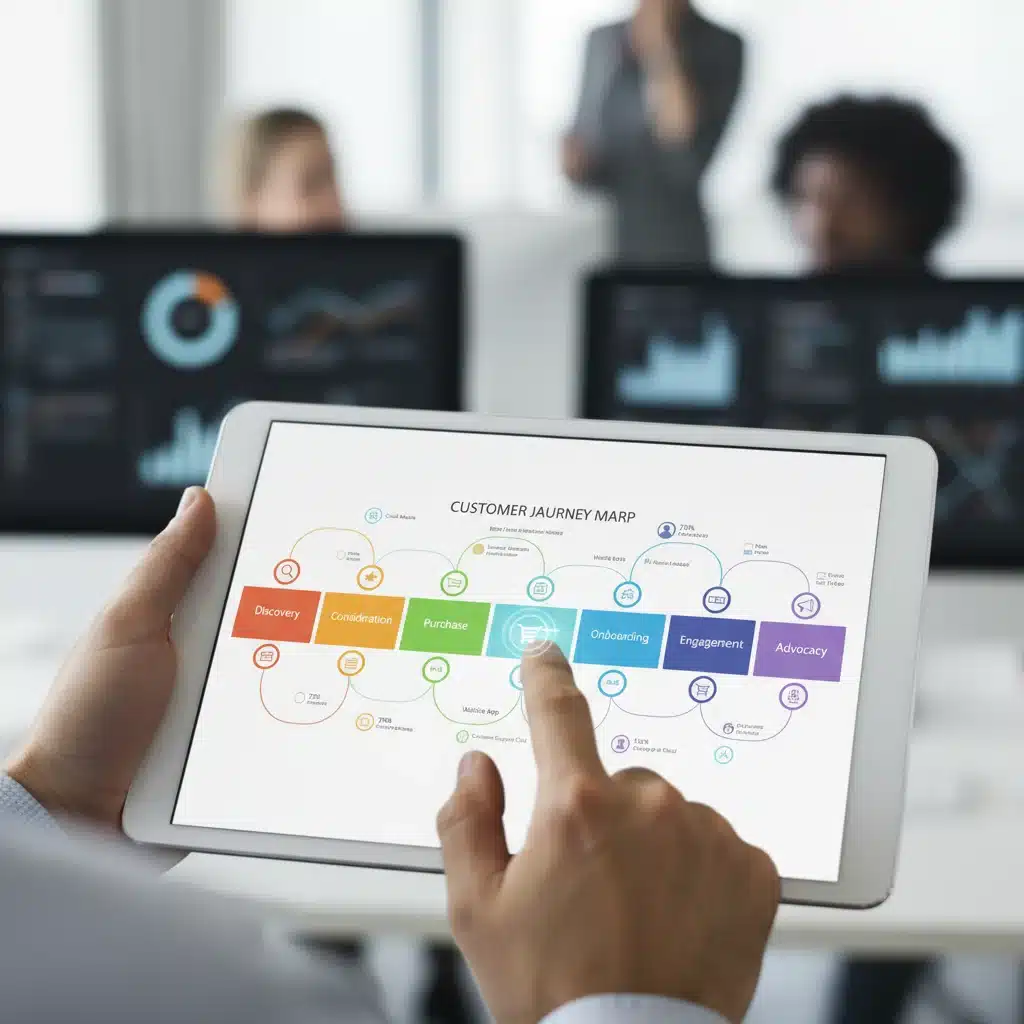
Coupled with journey mapping is sophisticated attribution modeling. Traditional attribution models often give all credit to the last click, ignoring the many interactions that led to a conversion. Modern marketing analytics dashboards leverage multi-touch attribution models (e.g., linear, time decay, U-shaped, W-shaped, custom) to fairly distribute credit across all touchpoints. This provides a more accurate understanding of which marketing efforts are truly driving value, enabling better resource allocation for Q4 2026 campaigns.
Personalization at Scale
With a 360-degree customer view, personalization moves from a luxury to a standard expectation. Dashboards can segment audiences based on hundreds of criteria, allowing marketers to deliver highly targeted content, offers, and experiences. For Q4 2026, this could mean:
- Sending personalized holiday gift guides based on past purchase history and browsing behavior.
- Tailoring promotional emails with products similar to those previously viewed but not purchased.
- Displaying dynamic website content that changes based on a visitor’s location, device, or referral source.
- Offering exclusive discounts to loyal customers based on their lifetime value.
This level of personalization not only enhances the customer experience but also significantly boosts conversion rates and customer loyalty.
Predictive Analytics for Future-Proofing Campaigns
Perhaps one of the most exciting advancements in marketing analytics dashboards is the integration of predictive analytics. Leveraging AI and ML, these dashboards can analyze historical data to forecast future customer behavior, identify potential churn risks, and predict the success of upcoming campaigns. For Q4 2026, predictive analytics can be a game-changer:
- Demand forecasting: Accurately predict product demand during peak holiday seasons, optimizing inventory and preventing stockouts.
- Customer lifetime value (CLV) prediction: Identify high-value customers and tailor retention strategies.
- Churn prediction: Proactively engage customers at risk of leaving, reducing attrition.
- Campaign success prediction: Estimate the potential ROI of different campaign scenarios before launching, allowing for data-backed adjustments.
Key Features to Look for in Q4 2026 Marketing Analytics Dashboards
As you evaluate marketing analytics dashboards for your Q4 2026 strategy, consider these essential features:
1. Data Integration Capabilities
The dashboard should seamlessly connect with all your primary data sources, including CRM (e.g., Salesforce), advertising platforms (e.g., Google Ads, Facebook Ads), web analytics (e.g., Google Analytics 4), email marketing platforms, social media, e-commerce platforms, and customer service tools. API connectivity and pre-built integrations are crucial for a unified data view.
2. Customizable Dashboards and Reporting
Every marketing team has unique needs. The dashboard should allow for extensive customization, enabling users to create personalized views, drag-and-drop widgets, and build custom reports that focus on the KPIs most relevant to their objectives. This flexibility ensures that the insights are always tailored to the specific questions being asked.
3. Real-time Data Processing and Visualization
As discussed, real-time data is non-negotiable for agile marketing. Look for dashboards that offer live updates, interactive charts, and intuitive visualizations that make complex data easy to understand at a glance. The ability to drill down into specific data points or segments is also vital.
4. AI and Machine Learning Capabilities
From predictive analytics and anomaly detection to automated insights and natural language processing (NLP) for querying data, AI/ML features significantly enhance the power of marketing analytics dashboards. These capabilities help uncover hidden patterns and provide recommendations that human analysts might miss.
5. User-Friendly Interface and Collaboration Tools
Even the most powerful dashboard is useless if it’s too complex to use. A clean, intuitive interface is essential for adoption across the marketing team. Collaboration features, such as sharing reports, adding comments, and setting alerts, are also important for fostering a data-driven culture.
6. Scalability and Performance
As your data grows, your dashboard needs to keep up. Ensure the platform can handle increasing volumes of data without sacrificing performance. Scalability is key for long-term effectiveness, especially as your business expands and your marketing efforts become more sophisticated.
Implementing Marketing Analytics Dashboards for Q4 2026 Success
Successfully integrating marketing analytics dashboards into your Q4 2026 strategy requires a thoughtful approach. Here’s a roadmap to maximize their impact:
1. Define Clear Objectives and KPIs
Before you even look at a dashboard, clearly define what you want to achieve in Q4 2026. Are you focused on increasing sales, improving customer retention, boosting brand awareness, or driving website traffic? Once objectives are set, identify the specific Key Performance Indicators (KPIs) that will measure your progress. This clarity will guide your dashboard configuration and ensure you’re tracking what truly matters.
2. Consolidate Your Data Sources
Work towards breaking down data silos. Identify all your relevant data sources and ensure they can be integrated into your chosen dashboard. This might involve setting up APIs, using connectors, or migrating data. A unified data source is the foundation of a 360-degree customer view.
3. Customize Your Dashboards for Different Stakeholders
Not everyone needs to see the same data. Create customized dashboards for different roles within your organization. A marketing manager might need a high-level overview of campaign performance, while a social media specialist needs granular data on engagement rates and audience sentiment. This ensures that everyone has access to the most relevant information for their decision-making.
4. Train Your Team and Foster a Data-Driven Culture
Invest in training your marketing team on how to effectively use the new dashboards. Encourage them to explore data, ask questions, and make data-backed decisions. A data-driven culture is one where insights are valued, shared, and acted upon consistently.
5. Regularly Review and Optimize
Marketing analytics dashboards are not set-it-and-forget-it tools. Regularly review your dashboards to ensure they are still providing valuable insights. As your Q4 2026 campaigns evolve, your data needs might change. Be prepared to optimize your dashboards, add new metrics, or adjust visualizations to keep them relevant and effective.

Challenges and Considerations
While the benefits of advanced marketing analytics dashboards are immense, there are also challenges to consider:
- Data Quality: The effectiveness of any dashboard hinges on the quality of the data it receives. “Garbage in, garbage out” is a critical principle. Invest in data cleansing and validation processes.
- Privacy and Compliance: With a 360-degree customer view comes increased responsibility for data privacy. Ensure your data collection and usage practices comply with regulations like GDPR, CCPA, and other relevant privacy laws.
- Tool Sprawl: Avoid accumulating too many disparate tools that don’t integrate well. Choose a dashboard solution that can serve as a central hub for your analytics needs.
- Overwhelm: Too much data can be as bad as too little. Design dashboards that are focused, clear, and actionable to prevent information overload.
The Future of Marketing Analytics Dashboards
Looking beyond Q4 2026, the future of marketing analytics dashboards is poised for even greater innovation. We can expect to see:
- More Autonomous Insights: Dashboards will become even smarter, proactively identifying trends, anomalies, and opportunities, and even suggesting actionable strategies without explicit prompting.
- Enhanced Natural Language Interaction: Users will be able to ask complex questions in plain language and receive intelligent, data-driven answers, making analytics more accessible to non-technical users.
- Deeper Integration with AI-driven Marketing Automation: Dashboards will not only provide insights but also directly feed into marketing automation systems, enabling real-time, personalized campaign adjustments and executions based on live data.
- Augmented Reality (AR) and Virtual Reality (VR) for Data Visualization: While still nascent, imagine interacting with your marketing data in a 3D, immersive environment, allowing for new perspectives and collaborative analysis.
- Ethical AI and Bias Detection: As AI becomes more prevalent, dashboards will incorporate features to detect and mitigate biases in data and algorithms, ensuring fair and equitable marketing practices.
Conclusion: Empowering Q4 2026 and Beyond
For businesses aiming to excel in Q4 2026 and lay a strong foundation for future growth, investing in advanced marketing analytics dashboards is not merely an option, but a strategic imperative. These tools provide the clarity, agility, and foresight needed to navigate complex market dynamics, understand customer nuances, and optimize every facet of your marketing efforts.
By offering a truly 360-degree customer view, integrating disparate data sources, and leveraging the power of AI and real-time insights, modern dashboards empower marketers to move from reactive decision-making to proactive, predictive strategies. This means more effective campaigns, higher ROI, enhanced customer experiences, and ultimately, a significant competitive advantage. Embrace the power of data, and let your marketing analytics dashboards illuminate the path to unprecedented success in Q4 2026 and the years to come.