2026 Startup Funding: Key Changes & Entrepreneurial Strategies

Navigating the 2026 Startup Funding Landscape in the U.S.: 5 Key Changes Entrepreneurs Must Know Now
The entrepreneurial journey is exhilarating, fraught with innovation, ambition, and, crucially, the relentless pursuit of capital. As we inch closer to 2026, the U.S. startup funding landscape is undergoing significant transformations. These shifts are not mere fluctuations; they represent fundamental changes in how investors perceive value, where they deploy capital, and what criteria define a ‘fundable’ venture. For any aspiring or current entrepreneur, understanding these impending changes is not just beneficial, it’s absolutely critical for survival and success.
The past few years have been a rollercoaster for startups. We’ve witnessed periods of unprecedented liquidity, followed by a more cautious, belt-tightening environment. This volatility has taught us that adaptability and foresight are paramount. The year 2026 promises a mature yet dynamic market, shaped by global economic forces, technological breakthroughs, and evolving investor mandates. This comprehensive guide will delve into the five most impactful changes expected in the startup funding 2026 environment, offering actionable insights to help you position your venture for success.
Securing startup funding 2026 will demand a nuanced understanding of these shifts. From the resurgence of profitability metrics to the rise of specialized funds and the influence of geopolitical factors, every aspect will play a role. Let’s explore what’s on the horizon.
1. The Resurgence of Profitability and Sustainable Growth Over ‘Growth at All Costs’
For a significant period, the mantra in the startup world was ‘growth at all costs.’ Companies were rewarded for rapid user acquisition, market share expansion, and top-line revenue growth, often at the expense of profitability. Valuations soared based on potential, not necessarily on current earnings or a clear path to sustainable cash flow. However, the economic recalibration of recent years has prompted a stark shift in investor sentiment. In the startup funding 2026 era, profitability and a clear, sustainable business model will once again take center stage.
Investors are increasingly scrutinizing unit economics, burn rates, and the actual viability of a business to generate positive cash flow. This doesn’t mean growth is irrelevant, but rather that growth must be healthy and demonstrate a clear trajectory towards self-sufficiency. Startups that can showcase a strong gross margin, efficient customer acquisition costs (CAC), and a high customer lifetime value (LTV) will be far more attractive. This shift favors companies with robust operational efficiency and a well-defined path to market leadership that isn’t solely reliant on continuous external capital injections.
What this means for entrepreneurs:
- Focus on Unit Economics: Deeply understand your cost structure per unit of product or service. Optimize for positive unit economics from day one.
- Demonstrate a Path to Profitability: Even if not immediately profitable, your business plan must clearly articulate how and when you expect to achieve it.
- Efficient Capital Deployment: Every dollar raised must be justified by its return on investment, not just by its contribution to growth metrics.
- Strategic Growth: Prioritize sustainable growth that doesn’t deplete cash reserves at an unsustainable rate.
This change is fundamental. It signifies a return to more traditional investment principles, where the intrinsic value of a business, rather than speculative future potential, drives investment decisions. Entrepreneurs who can adapt to this mindset will find themselves in a stronger position to attract startup funding 2026.
2. The Rise of Specialized Funds and Thematic Investing
The days of generalist venture capital firms dominating the entire spectrum of startup investments are gradually fading. While large multi-stage funds will always exist, the startup funding 2026 landscape will see a pronounced increase in specialized funds. These funds will focus on specific industries (e.g., climate tech, biotech, AI infrastructure), particular stages (pre-seed, growth equity), or even niche technologies (e.g., quantum computing, synthetic biology).
This specialization brings several advantages. For investors, it allows for deeper domain expertise, more targeted deal flow, and better due diligence within their chosen vertical. For startups, it means finding investors who not only bring capital but also invaluable industry knowledge, strategic connections, and operational support tailored to their specific challenges. Thematic investing, driven by global megatrends like decarbonization, personalized healthcare, and advanced AI, will also steer capital towards ventures addressing these critical areas.

What this means for entrepreneurs:
- Targeted Outreach: Research and identify funds that align precisely with your industry, technology, and stage. A cold email to a generalist fund is less likely to succeed than a tailored pitch to a specialized one.
- Leverage Niche Expertise: Highlight how your venture fits into a specific market trend or technological advancement that a specialized fund is keen on.
- Strategic Partnerships: Specialized funds often come with a network of relevant industry players, potential customers, and talent, which can be as valuable as the capital itself.
- Clarity in Vision: Be clear about the problem you’re solving and how it addresses a significant need within a defined market segment.
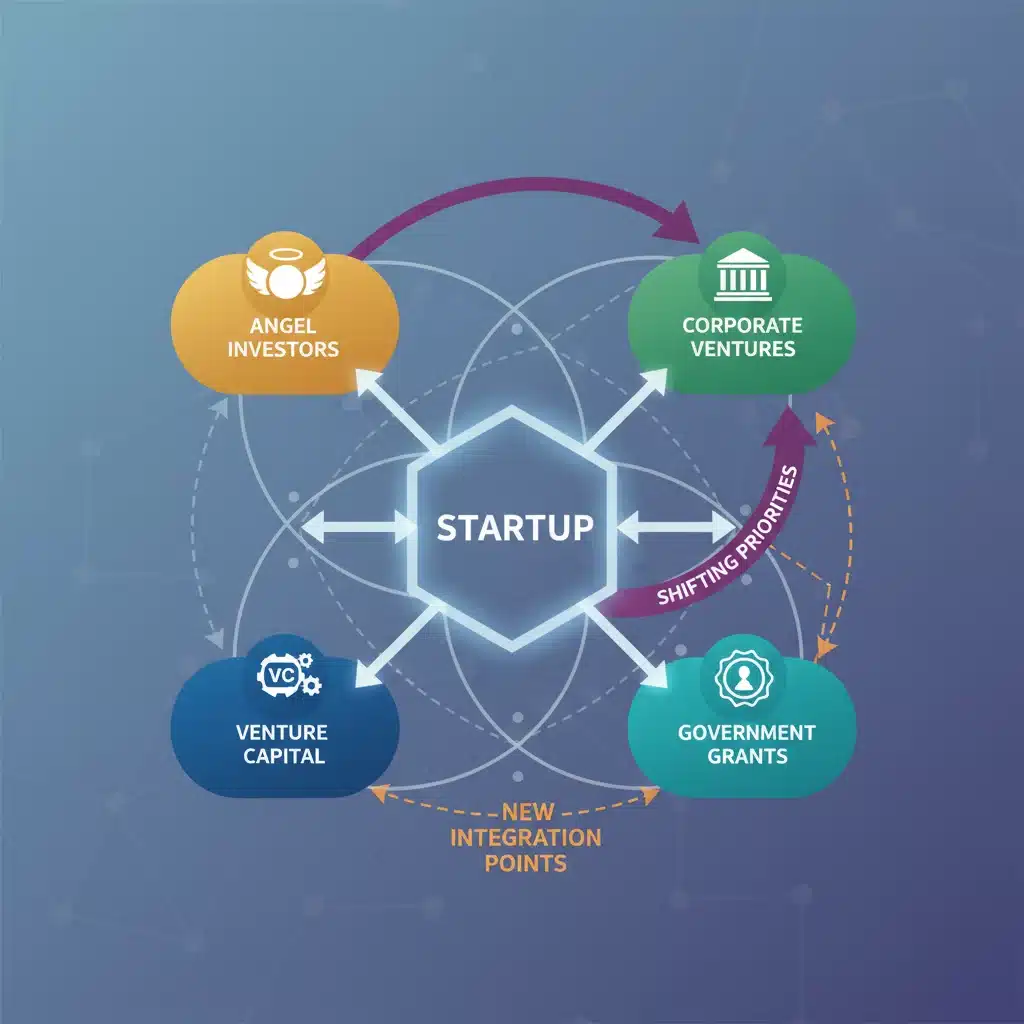
The diversification of funding sources means entrepreneurs need to be more strategic in their fundraising efforts. Understanding the specific mandates of different funds will be key to unlocking startup funding 2026 opportunities.
3. Increased Scrutiny on Governance, ESG, and Diversity
Environmental, Social, and Governance (ESG) factors are no longer buzzwords; they are becoming integral to investment decisions. Similarly, diversity in leadership teams and across the organization is moving beyond a ‘nice-to-have’ to a ‘must-have’ for many investors. In the startup funding 2026 landscape, investors will increasingly evaluate startups not just on their financial projections but also on their ethical practices, societal impact, and commitment to building inclusive workplaces.
This trend is driven by a combination of factors: growing awareness among limited partners (LPs) who invest in VC funds, pressure from regulatory bodies, and a recognition that diverse teams often outperform homogenous ones. Startups with strong governance structures, a clear commitment to sustainability, and demonstrable efforts in fostering diversity and inclusion will find themselves at an advantage. This holistic evaluation reflects a broader societal shift towards responsible business practices.
What this means for entrepreneurs:
- Integrate ESG Early: Develop a clear strategy for how your business addresses environmental, social, and governance considerations.
- Prioritize Diversity & Inclusion: Build a diverse team from the outset. Showcase your commitment to D&I in your hiring practices, company culture, and leadership structure.
- Transparent Governance: Establish robust governance frameworks, even as a small startup. This includes clear decision-making processes, ethical guidelines, and accountability.
- Communicate Your Values: Articulate your company’s values and how they translate into tangible actions and impact.
Beyond being the right thing to do, a strong stance on ESG and diversity will become a competitive differentiator in attracting startup funding 2026. Investors are looking for companies that are not only profitable but also purpose-driven and resilient against future societal and regulatory shifts.
4. The Growing Influence of Corporate Venture Capital (CVC) and Strategic Partnerships
Corporate Venture Capital (CVC) arms, established by large corporations to invest in innovative startups, have been a significant force in the market for years. However, their influence is expected to grow even further by 2026. These corporate investors bring more than just capital; they offer strategic partnerships, market access, distribution channels, and invaluable industry expertise. For many startups, a CVC investment can be a game-changer, providing a ‘seal of approval’ and accelerating their path to market.
Furthermore, strategic partnerships with established industry players, even without direct equity investment, will become increasingly vital. These collaborations can validate a startup’s technology, provide early revenue streams, and offer pathways to scale that might otherwise be inaccessible. The landscape of startup funding 2026 will blur the lines between traditional venture capital and strategic corporate alliances, demanding a more integrated approach to fundraising and business development.
What this means for entrepreneurs:
- Identify Strategic Allies: Research corporations that operate in your industry or adjacent sectors. Understand their innovation strategies and investment theses.
- Highlight Synergies: When approaching CVCs, focus on how your technology or solution complements their existing business or addresses a strategic gap.
- Beyond Capital: Be prepared to articulate the non-financial benefits of a corporate partnership, such as access to customers, data, or manufacturing capabilities.
- Navigate Corporate Structures: Understand that CVC deals can sometimes be slower or involve more complex negotiations due to corporate bureaucracy.
Leveraging corporate resources and strategic alignment will be a powerful tool for startups seeking to differentiate themselves and secure robust startup funding 2026, especially in capital-intensive sectors or those requiring extensive market validation.
5. AI-Driven Due Diligence and Data-Centric Investment Decisions
The proliferation of data and advancements in Artificial Intelligence (AI) are set to revolutionize how investors conduct due diligence and make investment decisions. By 2026, many venture capital firms will be leveraging AI-powered tools to analyze vast datasets, identify market trends, screen potential investments, and even predict startup success rates. This means a more data-centric, less intuitive approach to investment will become prevalent.
AI can process and identify patterns in everything from market size and competitive landscape to team dynamics, customer feedback, and financial projections at a scale and speed impossible for human analysts alone. This shift will lead to more objective and potentially faster investment decisions, but it also means startups will need to be prepared to present their data in a clear, accessible, and compelling manner. The narrative will still be crucial, but it will need to be strongly backed by verifiable data points.
What this means for entrepreneurs:
- Data Readiness: Ensure your company’s data (customer metrics, financial performance, market research) is meticulously organized, accurate, and easily digestible.
- Analytics Prowess: Be able to articulate your insights and projections using robust data analytics. Understand your key performance indicators (KPIs) inside out.
- Transparency: Be prepared for a higher level of data scrutiny. Transparency about your numbers will build trust with AI-assisted investors.
- Highlight AI Adoption: If your startup leverages AI internally for efficiency or external product offerings, emphasize this. It demonstrates forward-thinking and a grasp of modern technologies.
The era of AI-driven investment means that a compelling story must be underpinned by irrefutable data. Entrepreneurs who embrace this data-first mindset will be better equipped to secure startup funding 2026.
Beyond the Five: Other Emerging Trends in Startup Funding 2026
While the five points above represent the most significant shifts, several other trends will also shape the startup funding 2026 environment:
- Decentralized Finance (DeFi) and Tokenization: While still nascent for mainstream startup funding, DeFi platforms and the tokenization of assets could offer alternative funding mechanisms, especially for Web3 and blockchain-native projects. This might provide new avenues for capital raising outside traditional VC structures.
- Increased Importance of Secondary Markets: As startups stay private longer, secondary markets for employee and early investor shares will become more liquid and sophisticated, offering earlier liquidity options and potentially impacting primary funding rounds.
- Government Grants and Non-Dilutive Funding: With a renewed focus on national innovation and specific strategic industries (e.g., semiconductors, clean energy), government grants and non-dilutive funding programs are likely to expand, offering a crucial lifeline for R&D-heavy startups.
- Global Capital Flows: While the U.S. remains a dominant hub, global capital flows will continue to seek opportunities across borders, making it essential for U.S. startups to understand international investor perspectives and for international investors to navigate the U.S. market.
- Focus on Mental Health and Founder Well-being: Investors are increasingly recognizing that founder well-being is critical for long-term startup success. Expect more emphasis on supportive ecosystems and resources for entrepreneurs.
Crafting Your Strategy for Startup Funding 2026
Navigating the evolving startup funding 2026 landscape requires more than just a great idea; it demands strategic planning, adaptability, and a deep understanding of investor psychology. Here’s a consolidated approach for entrepreneurs:
- Build a Fundamentally Strong Business: Focus on core business principles: solving a real problem, achieving product-market fit, and demonstrating a clear path to profitability and sustainable growth. This is the bedrock upon which all other strategies are built.
- Know Your Investor Audience: Research extensively. Understand which funds specialize in your sector, what their investment thesis is, and what non-financial value they bring. Tailor your pitch to resonate with their specific mandates and values.
- Be Data-Driven and Transparent: Back up your narrative with solid data. Be prepared for rigorous due diligence and be transparent about your financials, metrics, and challenges. Data integrity will be paramount.
- Embrace ESG and Diversity: Integrate responsible business practices and a commitment to diversity from the ground up. This not only aligns with societal values but also enhances your appeal to a growing segment of investors.
- Cultivate Relationships: Fundraising is a relationship business. Start networking early, build genuine connections with potential investors, advisors, and corporate partners. A warm introduction is always more effective than a cold outreach.
- Be Resilient and Adaptable: The funding environment can change rapidly. Be prepared to pivot your strategy, refine your pitch, and learn from feedback. Resilience in the face of rejection is a hallmark of successful entrepreneurs.
The journey to secure startup funding 2026 will be challenging but also incredibly rewarding for those who are well-prepared. The shift towards more sustainable, responsible, and data-driven investing creates an opportunity for robust, well-managed companies to shine.
Conclusion: Positioning for Success in the New Funding Era
The startup funding 2026 landscape in the U.S. is poised for significant evolution. The emphasis on profitability, the rise of specialized funds, heightened scrutiny on governance and diversity, the growing role of corporate venture capital, and the advent of AI-driven due diligence collectively paint a picture of a more mature, discerning, and strategically oriented investment ecosystem. For entrepreneurs, this means a recalibration of priorities and a more sophisticated approach to fundraising.
Gone are the days when a compelling vision alone could secure substantial capital. While vision remains crucial, it must now be coupled with demonstrable traction, sound unit economics, a clear path to sustainable profitability, and a commitment to ethical and inclusive business practices. The future of startup funding belongs to those who understand these shifts and proactively adapt their strategies.
By focusing on building fundamentally strong businesses, understanding the nuances of specialized capital, embracing data-driven decision-making, and integrating responsible business practices, entrepreneurs can not only navigate the challenges but also seize the immense opportunities presented by the evolving startup funding 2026 environment. The time to prepare is now, ensuring your venture is not just ready for the future, but actively shaping it.