Video Prospecting 2026: Double Response Rates from Decision-Makers

The Impact of Video Prospecting in 2026: Achieve 2X Higher Response Rates from Key Decision-Makers
In the rapidly evolving landscape of B2B sales, the quest for effective outreach methods is relentless. As we look towards 2026, one technique is emerging not just as a trend, but as a fundamental shift in how sales professionals connect with their prospects: video prospecting 2026. This isn’t merely about sending a recorded message; it’s about leveraging the power of visual communication, personalization, and authentic human connection to cut through the digital noise and achieve unprecedented engagement. The promise? A remarkable 2X higher response rate from the elusive, yet critical, key decision-makers.
The traditional sales playbook, once dominated by cold calls and generic email blasts, is showing its age. Decision-makers are inundated with messages daily, leading to ‘inbox fatigue’ and a natural skepticism towards unsolicited outreach. In this congested environment, a personalized video message acts like a beacon, immediately grabbing attention and conveying sincerity in a way that text alone cannot. It humanizes the sales process, allowing prospects to see, hear, and connect with the person behind the pitch, fostering trust and rapport from the very first interaction.
This comprehensive guide will delve deep into the transformative potential of video prospecting 2026. We’ll explore why it’s becoming indispensable, the strategies and technologies that will drive its success, and how your sales team can implement it to not only meet but exceed their targets, securing those vital conversations with decision-makers who hold the keys to your next big deal.
Why Video Prospecting is No Longer Optional for 2026
The acceleration of digital transformation, spurred by global events, has permanently reshaped how businesses operate and communicate. Remote work is more prevalent, and virtual meetings have become the norm. In this environment, the ability to create a personal connection without being physically present is paramount. Video prospecting 2026 directly addresses this need, offering a dynamic and engaging alternative to conventional methods.
The Rise of the Visual Economy
We are living in an increasingly visual economy. From social media to news consumption, video dominates. Our brains process visual information significantly faster than text. A minute of video is often considered equivalent to 1.8 million words in terms of information conveyed. For sales, this means that a short, well-crafted video can communicate more, and more effectively, than several paragraphs of text. It allows for tone, body language, and personality to shine through, elements crucial for building rapport but entirely absent in text-based communication.
Overcoming Digital Fatigue and Building Trust
Decision-makers are constantly bombarded with information. Their inboxes are overflowing, and their attention spans are shorter than ever. Generic, templated emails often get deleted unread. A personalized video, however, stands out. It demonstrates effort and a genuine interest in the prospect, immediately differentiating your outreach. This perceived effort translates into trust. When a prospect sees your face, hears your voice, and experiences your genuine demeanor, they are far more likely to feel a connection and, consequently, to respond. This human element is the cornerstone of successful video prospecting 2026.
The Data Speaks: Higher Engagement and Conversion
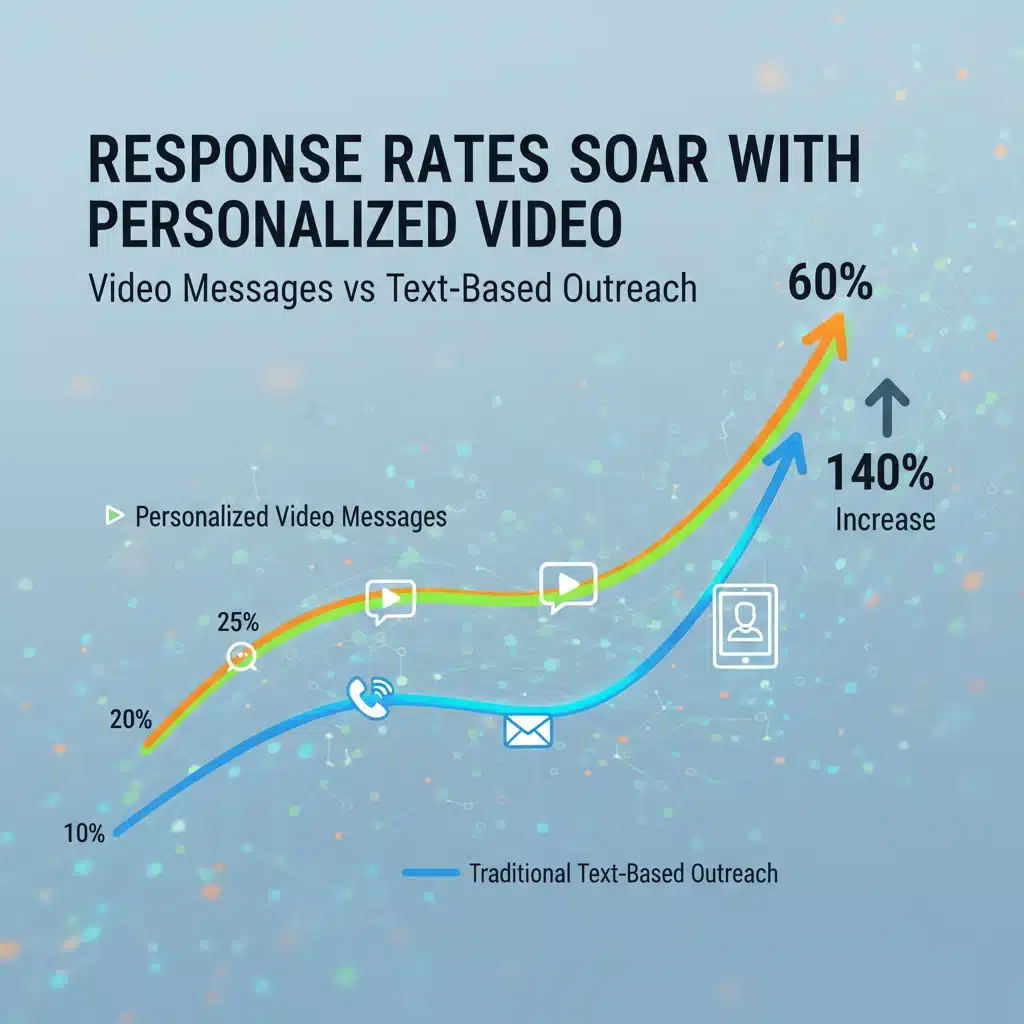
Early adopters of video prospecting have already reported significant gains. Studies and real-world results indicate that video messages can lead to 2X, 3X, or even higher response rates compared to traditional methods. Furthermore, these aren’t just replies; they are often more qualified leads and deeper conversations, leading to faster sales cycles and higher conversion rates. The investment in time to create personalized videos pays dividends in the form of increased engagement and a more robust sales pipeline.
Key Pillars of Successful Video Prospecting in 2026
To truly harness the power of video prospecting 2026, it’s essential to understand its core components. It’s more than just hitting record; it’s about strategy, personalization, and execution.
1. Hyper-Personalization: Beyond Just a Name
The days of merely inserting a prospect’s name into a video template are over. True hyper-personalization in 2026 means demonstrating a deep understanding of the prospect’s business, industry, challenges, and goals. Mention specific projects they’ve worked on, recent company news, or shared connections. Show them you’ve done your homework. This level of personalization makes the video feel less like a sales pitch and more like a tailored, valuable conversation starter. It signals respect for their time and an understanding of their unique situation.
2. Brevity and Clarity: Respecting Attention Spans
Decision-makers are busy. Your video should be concise and to the point. Aim for 60-90 seconds, ideally never exceeding two minutes. The first 5-10 seconds are critical for grabbing attention. Clearly state your purpose and value proposition early on. Avoid jargon and speak directly to their pain points. A clear call to action (CTA) at the end is crucial, making it easy for them to take the next step, whether it’s booking a meeting or visiting a specific resource.
3. Authentic Delivery: Be Yourself
The beauty of video is its ability to convey authenticity. Don’t strive for perfection; strive for genuine connection. Speak naturally, smile, and let your personality shine through. Prospects respond to real people, not robotic sales pitches. Practice your message to ensure clarity, but avoid sounding rehearsed. A slight stumble or a moment of genuine enthusiasm can make you more relatable and trustworthy. The goal is to build rapport, and authenticity is the fastest path to achieving it.
4. High-Quality Production (But Not Over-Produced)
While authenticity is key, a baseline of quality is also important. Ensure good lighting (natural light is often best), clear audio (a simple external microphone can make a huge difference), and a clean, professional background. You don’t need a professional studio, but avoid distracting backgrounds, poor lighting, or muffled sound. These elements can detract from your message and diminish your credibility. Simple tools like a smartphone, a ring light, and a basic lapel mic are often sufficient for excellent results in video prospecting 2026.
5. Strategic Distribution and Follow-Up
Sending a video is just the first step. Where and how you send it matters. Email is a common channel, but consider LinkedIn messages or even integrating video into your existing CRM workflows. Crucially, don’t just send one video and hope for the best. Plan a multi-touch sequence that incorporates video at strategic points, perhaps as an initial outreach, a follow-up after a trigger event, or to answer a common objection. The follow-up strategy for video prospecting 2026 should be as thoughtful as the initial video itself.
Technologies and Tools Shaping Video Prospecting in 2026
The effectiveness of video prospecting 2026 is greatly enhanced by the sophisticated tools and platforms available. These technologies streamline the process, enable advanced personalization, and provide valuable analytics.
AI-Powered Video Personalization
Artificial intelligence is set to play an even more significant role. AI can analyze prospect data from various sources (CRM, LinkedIn, company websites) to identify key pain points, interests, and even preferred communication styles. This information can then be used to generate highly personalized video scripts or even assist in creating dynamic video segments that are automatically tailored to each recipient. Imagine an AI suggesting the perfect opening line or even inserting a relevant company logo into your video without manual editing – this is the future of video prospecting 2026.
Interactive Video Platforms
Beyond passive viewing, interactive video is gaining traction. These platforms allow you to embed clickable calls to action directly within the video, such as ‘Book a Demo,’ ‘Download Whitepaper,’ or ‘Visit Our Website.’ This reduces friction and allows prospects to engage directly with your content at their own pace, transforming a one-way message into a two-way conversation. Some platforms even offer branching narratives, allowing prospects to choose their path through the video based on their interests, creating a truly customized experience.
Advanced Analytics and Tracking
Modern video prospecting tools come equipped with robust analytics. You can track who watched your video, for how long, and if they clicked on any embedded CTAs. This data is invaluable for refining your strategy, understanding what resonates with your audience, and identifying your most engaged prospects. Knowing that a decision-maker watched your entire video multiple times is a powerful indicator of interest and can inform your subsequent outreach efforts, making your video prospecting 2026 even more targeted.
Seamless CRM Integrations
For sales teams, efficiency is key. The best video prospecting tools integrate seamlessly with existing CRM systems (e.g., Salesforce, HubSpot). This allows sales reps to record and send videos directly from their CRM, log activities automatically, and track engagement data within their familiar workflows. Such integrations ensure that video prospecting becomes an integral, rather than an isolated, part of the sales process, maximizing its impact and minimizing administrative overhead.
Crafting a Winning Video Prospecting Strategy for 2026
Implementing video prospecting 2026 effectively requires a well-thought-out strategy. It’s not just about the tools; it’s about how you use them.
1. Define Your Target Audience and Their Pain Points
Before you even think about recording, clearly define who you’re trying to reach and what problems they face. What are their industry-specific challenges? What keeps them up at night? Your video should speak directly to these pain points, offering your solution as a relevant and valuable answer. The more precisely you understand your audience, the more impactful your personalized message will be.
2. Develop a Clear Value Proposition
Why should they listen to you? What unique value do you bring? Your video must clearly articulate your value proposition within the first few seconds. Focus on the benefits for them, not just the features of your product or service. How will you help them save time, increase revenue, reduce costs, or solve a critical problem? This clarity is paramount for successful video prospecting 2026.
3. Scripting (But Keep it Natural)
While authenticity is important, a brief outline or bullet points can help you stay on message and ensure you cover all key points. Don’t write a word-for-word script that you’ll read stiffly. Instead, jot down your opening, the pain point you’re addressing, your unique solution, a quick case study or relevant example, and your clear call to action. This structure provides confidence without sacrificing natural delivery.
4. Practice and Refine
Record yourself, watch it back, and get feedback. Does your message come across clearly? Is your tone engaging? Are there any distracting habits? The more you practice, the more comfortable and confident you’ll become on camera. This iterative process of recording, reviewing, and refining is crucial for mastering video prospecting 2026.
5. A/B Test and Analyze Results
Like any sales strategy, video prospecting benefits from continuous optimization. A/B test different video lengths, opening lines, calls to action, and even backgrounds. Use the analytics provided by your video platform to understand what performs best. What resonates with one segment of your audience might not with another. Data-driven adjustments will lead to consistently higher response rates and better outcomes for your video prospecting 2026 efforts.
Overcoming Common Challenges in Video Prospecting
While the benefits are clear, implementing video prospecting 2026 can present its own set of challenges. Understanding and preparing for these can ensure a smoother rollout and greater success.
Time Investment
Creating personalized videos takes more time than sending a generic email. This is often the biggest hurdle for sales teams. However, the increased response rates and higher quality of leads often justify this investment. Focus on creating a streamlined process: research the prospect, outline your message, record, and send. Utilize templates for common scenarios, adapting them with specific personalizations. Remember, a few high-quality, personalized videos will yield better results than many generic ones.
Camera Shyness
Many sales professionals are uncomfortable on camera initially. This is perfectly normal. The key is practice and embracing authenticity over perfection. Start with internal practice videos, record messages for colleagues, or use a tool that allows for easy re-recording. The more you do it, the more natural it will feel. Remind yourself that decision-makers appreciate genuine human connection, not Hollywood production values.
Technical Hurdles
From choosing the right software to ensuring good audio and lighting, technical aspects can seem daunting. Start simple. Most modern smartphones have excellent cameras. Invest in a decent external microphone (even a basic lavalier mic can drastically improve audio quality) and ensure good lighting. Many video prospecting platforms are user-friendly and offer excellent support. Don’t let technical fears prevent you from embracing video prospecting 2026.
Measuring ROI
Clearly demonstrating the return on investment (ROI) for video prospecting is crucial for securing team buy-in and continued resources. Track key metrics such as video views, watch time, click-through rates on CTAs, response rates, meeting booked, and ultimately, closed deals attributed to video outreach. By correlating these metrics with your video efforts, you can build a strong case for its effectiveness and continuously optimize your strategy.

The Future of Video Prospecting: Beyond 2026
As we gaze beyond 2026, the evolution of video prospecting promises even more innovative and impactful applications. The foundation we are building now will pave the way for a truly immersive and personalized sales experience.
Virtual and Augmented Reality Integration
Imagine sending a prospect a video message where they can interact with a 3D model of your product in their own environment using augmented reality (AR), or step into a virtual showroom to experience your service firsthand through virtual reality (VR). As AR/VR technologies become more mainstream and accessible, their integration into video prospecting 2026 and beyond will offer unparalleled levels of engagement and demonstration, allowing decision-makers to truly ‘experience’ your solution before ever having a live meeting.
Deepfake Technology (Ethical Use)
While ‘deepfake’ often carries negative connotations, its underlying technology for realistic video manipulation could, with ethical guidelines and explicit consent, revolutionize hyper-personalization. Imagine a video where you, the salesperson, appear to be speaking a prospect’s native language perfectly, or where you can seamlessly integrate a prospect’s name or company logo into a pre-recorded segment in a highly convincing way. The ethical considerations are paramount, but the potential for hyper-tailored content is immense.
Emotional AI for Engagement Analysis
Future video prospecting tools might incorporate emotional AI to analyze prospect reactions during video viewing. While privacy concerns are critical, imagine understanding, with consent, which parts of your video elicited confusion, interest, or excitement. This real-time feedback could allow sales professionals to adapt their subsequent outreach, providing more targeted information and addressing unvoiced concerns, thus making video prospecting 2026 even more responsive and effective.
Generative AI for Content Creation
Generative AI models, already capable of creating realistic images and text, will likely evolve to assist in video creation. This could mean AI generating initial video scripts based on prospect data, suggesting optimal visual cues, or even creating entire personalized video segments with a sales rep’s likeness and voice, all under human supervision. This would drastically reduce the time investment, making hyper-personalized video prospecting scalable for even the largest sales teams.
Conclusion: Embrace Video Prospecting for a Competitive Edge in 2026
The message is clear: video prospecting 2026 is not a fleeting fad; it’s a strategic imperative for any sales organization aiming to thrive in an increasingly competitive and digital world. The ability to achieve 2X higher response rates from key decision-makers is a game-changer, fundamentally altering the trajectory of your sales pipeline and revenue growth.
By embracing personalization, authenticity, and leveraging cutting-edge technology, sales professionals can transform their outreach from generic noise into meaningful conversations. It’s about building trust, demonstrating value, and forging genuine human connections in a way that traditional methods simply cannot replicate. The future of sales is personal, visual, and highly engaging, and video prospecting stands at the forefront of this evolution.
Don’t wait until 2026 to start. Begin experimenting with video prospecting now, refine your approach, and empower your sales team with the tools and strategies they need to connect with decision-makers on a deeper level. The rewards – in terms of engagement, relationships, and revenue – are undeniable and within your reach. Make video prospecting 2026 a cornerstone of your sales strategy, and watch your response rates, and your success, soar.