AI Marketing Stack 2026: Automating Content for US Businesses

The landscape of marketing is undergoing a seismic shift, driven by the relentless march of artificial intelligence. For US businesses, staying competitive no longer means merely adopting new technologies; it means strategically integrating AI into the very fabric of their operations. By 2026, the AI Marketing Stack is projected to enable the automation of a staggering 70% of content creation, transforming how brands connect with their audiences, optimize campaigns, and drive growth. This isn’t a distant future; it’s the immediate horizon, and businesses that fail to adapt risk being left behind.
This comprehensive guide delves into the 2026 AI Marketing Stack, exploring the essential components, recent updates, and actionable strategies for US businesses to harness its power. We will examine how AI is moving beyond simple task automation to become a strategic partner, capable of generating nuanced, personalized, and high-performing content at scale.
The Evolution of the AI Marketing Stack: From Concept to Core Strategy
For years, AI in marketing was a buzzword, a promise of future efficiencies. Today, it’s a tangible reality, with sophisticated algorithms and machine learning models powering everything from predictive analytics to hyper-personalized content delivery. The AI Marketing Stack isn’t a single piece of software; it’s an ecosystem of interconnected tools and platforms that work in concert to streamline and enhance marketing efforts.
In its nascent stages, AI primarily focused on repetitive tasks like data entry, basic report generation, and simple chatbot interactions. While valuable, these applications only scratched the surface of AI’s potential. Fast forward to 2026, and the AI Marketing Stack is characterized by its ability to handle complex, creative, and strategic functions, particularly in content creation. This evolution is driven by advancements in natural language processing (NLP), natural language generation (NLG), computer vision, and deep learning, allowing AI to understand context, generate human-like text, and even create visual assets.
For US businesses, this means a paradigm shift. Instead of marketers spending countless hours on manual content production, AI can now draft blog posts, social media updates, email newsletters, product descriptions, and even video scripts. This frees up human talent to focus on higher-level strategy, creative direction, and building genuine customer relationships. The goal isn’t to replace human marketers but to augment their capabilities, making them more efficient, more strategic, and ultimately, more impactful.
Key Components of the 2026 AI Marketing Stack for Content Automation
To achieve the ambitious goal of 70% content creation automation, US businesses will need to leverage a multifaceted AI Marketing Stack. Here are the core components:
1. AI-Powered Content Generation Platforms (NLG & NLP)
At the heart of the automated content future are advanced NLG and NLP platforms. These tools are no longer producing robotic, templated content. Modern AI content generators can understand brand voice, target audience nuances, and even generate different content formats tailored to specific platforms. They can:
- Draft Blog Posts and Articles: From initial outlines to full drafts, AI can generate compelling long-form content based on keywords, topics, and desired tone.
- Create Social Media Updates: AI can craft engaging posts for various platforms (Facebook, Instagram, LinkedIn, X) with appropriate hashtags, emojis, and calls to action.
- Generate Email Marketing Copy: Personalized subject lines, body copy, and CTAs for email campaigns can be rapidly generated and optimized.
- Produce Product Descriptions: E-commerce businesses can leverage AI to create unique, SEO-friendly descriptions for thousands of products, saving immense time.
- Develop Video Scripts and Ad Copy: AI can assist in scripting short-form video content and generating persuasive ad copy for various digital channels.
Recent updates in this area include the integration of real-time market data and competitor analysis directly into the generation process, allowing for content that is not only high-quality but also strategically informed.
2. AI-Driven Content Curation and Ideation Tools
Before creation comes ideation. The AI Marketing Stack for 2026 includes sophisticated tools that can analyze market trends, consumer behavior, competitor strategies, and internal data to suggest relevant content topics and formats. These tools can:
- Identify Trending Topics: By monitoring social media, news outlets, and search queries, AI can pinpoint topics that resonate with the target audience.
- Analyze Competitor Content: AI can break down what content is performing well for competitors and identify gaps in the market.
- Personalize Content Suggestions: Based on user data and past interactions, AI can recommend content ideas that are highly likely to engage specific segments of an audience.
- Generate Content Outlines: Once a topic is chosen, AI can create detailed outlines, including headings, subheadings, and key points to cover.
This component significantly reduces the time marketers spend brainstorming and researching, ensuring that content creation efforts are always aligned with current audience interests and business objectives.
3. AI-Powered Content Optimization and SEO Tools
Creating content is only half the battle; optimizing it for visibility and performance is crucial. The 2026 AI Marketing Stack integrates AI into every stage of optimization:
- SEO Content Optimization: AI tools can analyze content for keyword density, readability, semantic relevance, and suggest improvements to rank higher in search engine results.
- A/B Testing and Personalization: AI can automatically run A/B tests on different content variations (headlines, images, CTAs) and use the results to personalize content delivery in real-time for individual users.
- Performance Prediction: Before content is even published, AI can predict its potential performance based on historical data and audience engagement patterns, allowing for proactive adjustments.
- Grammar and Style Checkers: Advanced AI-powered grammar tools go beyond basic spell-checking to offer stylistic improvements, ensuring brand consistency and professionalism.
These tools ensure that every piece of automated content is not only well-written but also strategically positioned for maximum impact.
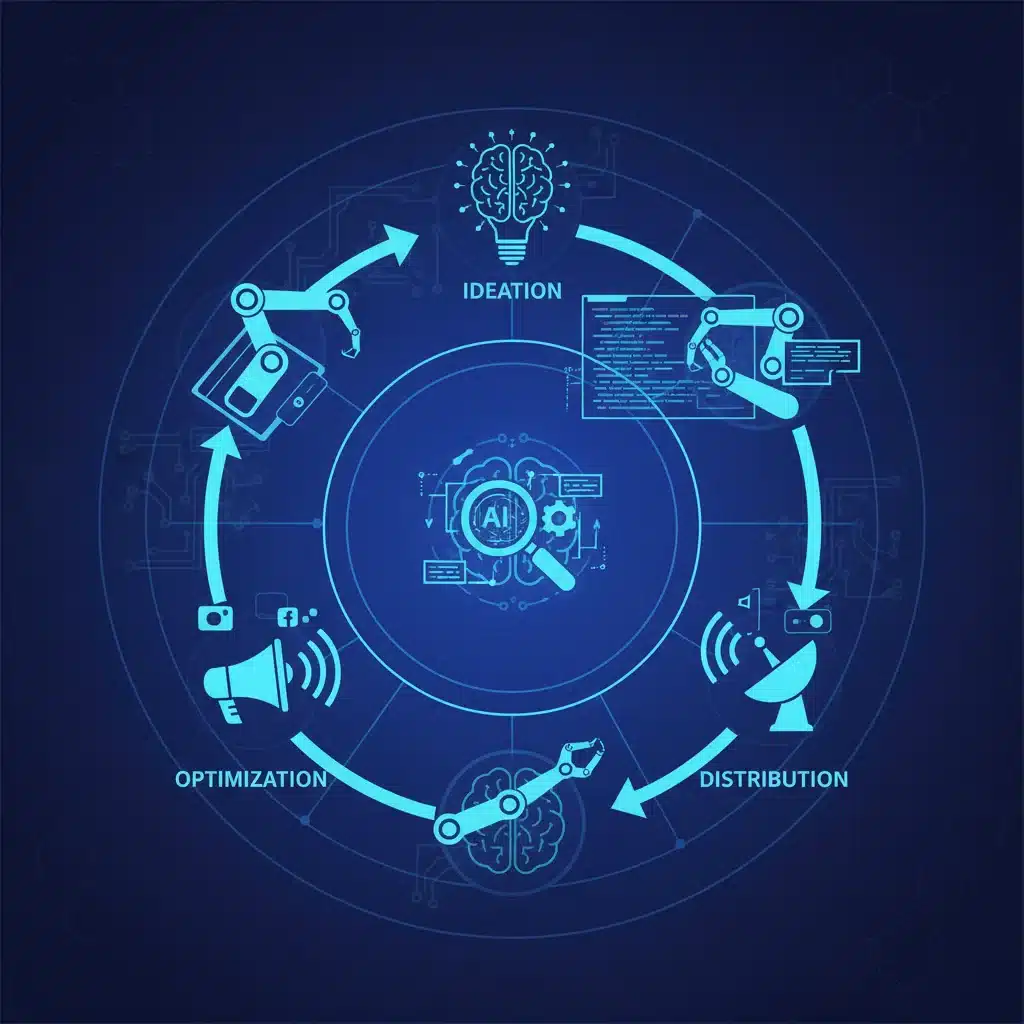
4. AI-Enhanced Content Distribution and Scheduling
Automation extends beyond creation to how content is disseminated. The AI Marketing Stack streamlines distribution:
- Optimal Posting Time Recommendations: AI analyzes audience activity data to recommend the best times to publish content on various platforms for maximum engagement.
- Cross-Platform Content Adaptation: AI can automatically reformat and tailor content for different social media platforms, email newsletters, and websites, ensuring consistency and platform-specific optimization.
- Automated Content Syndication: AI can identify relevant third-party platforms and automatically syndicate content, expanding reach and backlink opportunities.
- Audience Segmentation for Targeted Distribution: AI can dynamically segment audiences based on behavior, demographics, and preferences, ensuring highly targeted content delivery.
This level of automation ensures content reaches the right people at the right time, without manual intervention.
5. AI-Powered Analytics and Reporting
Understanding content performance is critical. The 2026 AI Marketing Stack includes robust analytics capabilities:
- Real-time Performance Monitoring: AI dashboards provide instant insights into content engagement, traffic, conversions, and ROI.
- Predictive Analytics: Beyond reporting past performance, AI can predict future trends and content effectiveness, allowing for proactive strategy adjustments.
- Automated Report Generation: AI can compile comprehensive marketing reports, highlighting key metrics, trends, and actionable recommendations, saving hours of manual data compilation.
- Anomaly Detection: AI can flag unusual shifts in content performance, alerting marketers to potential issues or opportunities before they escalate.
These analytical tools close the loop, providing continuous feedback that refines and improves the entire content automation process.
Recent Updates and Innovations in the AI Marketing Stack (2024-2026)
The pace of innovation in AI is staggering. Here are some of the most impactful recent updates shaping the 2026 AI Marketing Stack:
Generative AI for Multimedia Content
While text generation has been a focus, generative AI is now rapidly advancing into multimedia. Tools that can create:
- AI-Generated Images and Graphics: From stock photo alternatives to custom brand illustrations, AI can now produce unique visual assets based on text prompts.
- AI-Powered Video Creation and Editing: Simple explainer videos, social media clips, and even voiceovers can be generated and edited with minimal human input.
- AI-Enhanced Audio Content: From podcast intros to background music, AI can create or modify audio elements.
This means a complete content package – text, visuals, and audio – can be largely automated, further cementing the 70% automation potential.
Hyper-Personalization at Scale
AI’s ability to process vast amounts of individual user data has led to unprecedented levels of personalization. The 2026 AI Marketing Stack enables:
- Dynamic Content Delivery: Websites and emails can dynamically change content elements (headlines, images, product recommendations) based on individual user behavior in real-time.
- Predictive Customer Journeys: AI can map out likely customer journeys and proactively deliver relevant content at each touchpoint, guiding users towards conversion.
- Sentiment-Aware Content Generation: AI can analyze customer sentiment and adapt content tone and messaging accordingly, fostering deeper emotional connections.
Ethical AI and Bias Mitigation
As AI becomes more pervasive, the focus on ethical considerations and bias mitigation has intensified. Recent updates include:
- Transparency Features: AI tools are incorporating features that explain how content suggestions or decisions are made, increasing trust and accountability.
- Bias Detection and Correction: Algorithms are being developed to identify and reduce biases in generated content, ensuring inclusivity and fairness in messaging.
- Content Moderation and Brand Safety: AI is used to ensure generated content adheres to brand guidelines and avoids sensitive or inappropriate topics.
These advancements are crucial for US businesses to maintain brand reputation and comply with evolving ethical standards.
Implementing the 2026 AI Marketing Stack: A Roadmap for US Businesses
Adopting a sophisticated AI Marketing Stack requires a strategic approach. Here’s a roadmap for US businesses:
1. Assess Current Marketing Operations and Identify Automation Opportunities
Before diving into new tools, analyze your current content creation workflow. Where are the bottlenecks? Which tasks are repetitive and time-consuming? Identify areas where AI can have the most immediate and significant impact. This might include initial content drafts, social media scheduling, or basic SEO optimization.
2. Start Small and Scale Gradually
Don’t try to automate everything at once. Begin with a pilot project, perhaps automating blog post outlines or social media captions for a specific campaign. Measure the results, learn from the experience, and then gradually expand AI integration across more content types and channels. This iterative approach minimizes risk and allows for continuous optimization.
3. Invest in the Right Tools and Platforms
Research and select AI tools that align with your business needs, budget, and existing marketing infrastructure. Look for platforms that offer strong integrations, user-friendly interfaces, and robust support. Consider vendors that are actively innovating and providing regular updates to their AI Marketing Stack offerings.
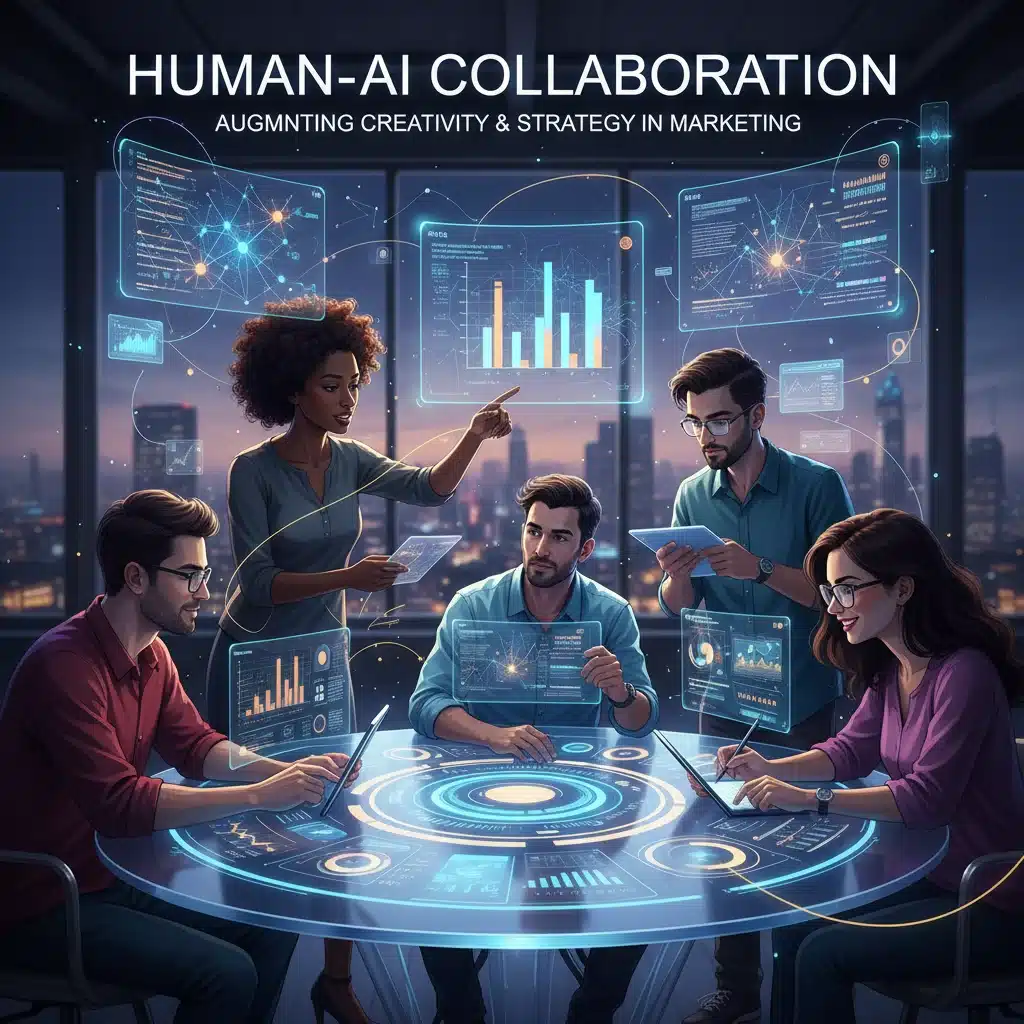
4. Train Your Team for Human-AI Collaboration
The 70% automation figure does not imply replacing human marketers entirely. Instead, it signifies a shift in roles. Train your marketing team to work effectively with AI tools, focusing on strategic oversight, creative direction, content refinement, and building authentic customer relationships. Upskill them in prompt engineering, AI ethics, and data interpretation.
5. Define Clear KPIs and Measure ROI
Establish clear key performance indicators (KPIs) to track the effectiveness of your AI-driven content automation. Monitor metrics like content production efficiency, engagement rates, lead generation, conversion rates, and overall ROI. Use these insights to continuously refine your AI Marketing Stack and strategies.
6. Prioritize Data Quality and Governance
AI models are only as good as the data they are trained on. Ensure your data is clean, accurate, and ethically sourced. Establish strong data governance policies to protect customer privacy and ensure compliance with regulations like CCPA and upcoming federal data privacy laws in the US.
7. Stay Agile and Adapt to New Innovations
The AI landscape is constantly evolving. Regularly review your AI Marketing Stack, stay informed about new advancements, and be prepared to adapt your strategies. What works today might be outdated tomorrow. Foster a culture of continuous learning and experimentation within your marketing team.
The Future is Now: Benefits for US Businesses
The adoption of the 2026 AI Marketing Stack offers a multitude of benefits for US businesses:
- Unprecedented Efficiency: Automating 70% of content creation frees up significant time and resources, allowing marketers to focus on high-impact strategic initiatives.
- Scalability: Businesses can produce a much larger volume of content without proportionally increasing headcount, enabling rapid scaling of marketing efforts.
- Hyper-Personalization: Deliver highly relevant and personalized content to individual customers at scale, leading to increased engagement and loyalty.
- Improved ROI: Optimized content, targeted distribution, and data-driven insights translate into higher conversion rates and a better return on marketing investment.
- Enhanced Creativity: By taking over repetitive tasks, AI allows human marketers to dedicate more time to innovative ideas, strategic thinking, and complex creative projects.
- Data-Driven Decision Making: AI provides deeper insights into audience behavior and content performance, enabling more informed and effective marketing decisions.
- Competitive Advantage: Businesses that embrace and effectively implement an advanced AI Marketing Stack will gain a significant edge over competitors still relying on manual processes.
Challenges and Considerations
While the benefits are clear, US businesses must also be mindful of potential challenges:
- Maintaining Brand Voice and Authenticity: Ensuring AI-generated content consistently reflects the unique brand voice and maintains authenticity requires careful oversight and refinement.
- Ethical Implications: Addressing concerns around data privacy, algorithmic bias, and the responsible use of AI in marketing is paramount.
- Integration Complexities: Integrating various AI tools into a cohesive AI Marketing Stack can be complex and may require technical expertise.
- Cost of Implementation: Initial investment in AI tools and training can be substantial, though the long-term ROI is often compelling.
- Over-reliance on AI: It’s crucial to strike a balance; human oversight and strategic input remain essential to prevent generic or uninspired content.
Conclusion: Embracing the Automated Content Revolution
The 2026 AI Marketing Stack is not just a collection of tools; it’s a strategic imperative for US businesses aiming for sustained growth and competitive advantage. The ability to automate 70% of content creation is a game-changer, transforming marketing from a labor-intensive process into a highly efficient, data-driven engine for engagement and conversion.
By understanding the key components, embracing recent innovations, and implementing a thoughtful adoption strategy, US businesses can harness the full power of AI. This means moving beyond simple automation to a future where AI acts as an intelligent co-pilot, empowering marketers to achieve more, create better, and connect with their audiences on a deeper, more personalized level. The time to build and refine your AI Marketing Stack is now, securing your place at the forefront of the automated content revolution.