Boost Capital Efficiency: Strategies for US Startups 2026

Boosting Capital Efficiency: 3 Proven Strategies for U.S. Startups to Extend Runway in 2026
In the dynamic and often unpredictable landscape of the U.S. startup ecosystem, the ability to effectively manage and extend financial resources is paramount to survival and success. As we look towards 2026, the imperative for startup capital efficiency has never been clearer. Founders are increasingly scrutinized on their burn rate, unit economics, and overall financial prudence. This post delves into three proven strategies that U.S. startups can leverage to significantly boost their capital efficiency, ensuring they not only survive but thrive in the coming years.
The journey of a startup is inherently capital-intensive. From initial product development and market entry to scaling operations and fending off competitors, every step requires a strategic allocation of funds. However, capital is a finite resource, especially for early-stage companies. Extending the runway – the period before a startup runs out of money – becomes a critical objective. It buys precious time for achieving milestones, securing subsequent funding rounds, and ultimately reaching profitability. Without a sharp focus on startup capital efficiency, even the most innovative ideas can falter due to premature depletion of funds.
The current economic climate, characterized by fluctuating interest rates, inflation concerns, and a more cautious venture capital market, further amplifies the need for startups to be exceptionally resourceful. Investors are no longer solely focused on hyper-growth at all costs; profitability and sustainable business models are now at the forefront of their evaluation criteria. This shift demands a fundamental re-evaluation of how capital is deployed and conserved. Therefore, embracing strategies that boost startup capital efficiency is not just good practice; it’s a strategic imperative for any U.S. startup aiming for longevity and impact.
This article will explore three pillars of capital efficiency: mastering lean operations, forging strategic partnerships, and implementing robust financial planning. Each strategy offers actionable insights and practical steps that U.S. startups can adopt to optimize their financial health, extend their runway, and position themselves for sustained growth into and beyond 2026. Let’s dive into how these strategies can transform your startup’s financial trajectory.
Strategy 1: Mastering Lean Operations and Resource Optimization
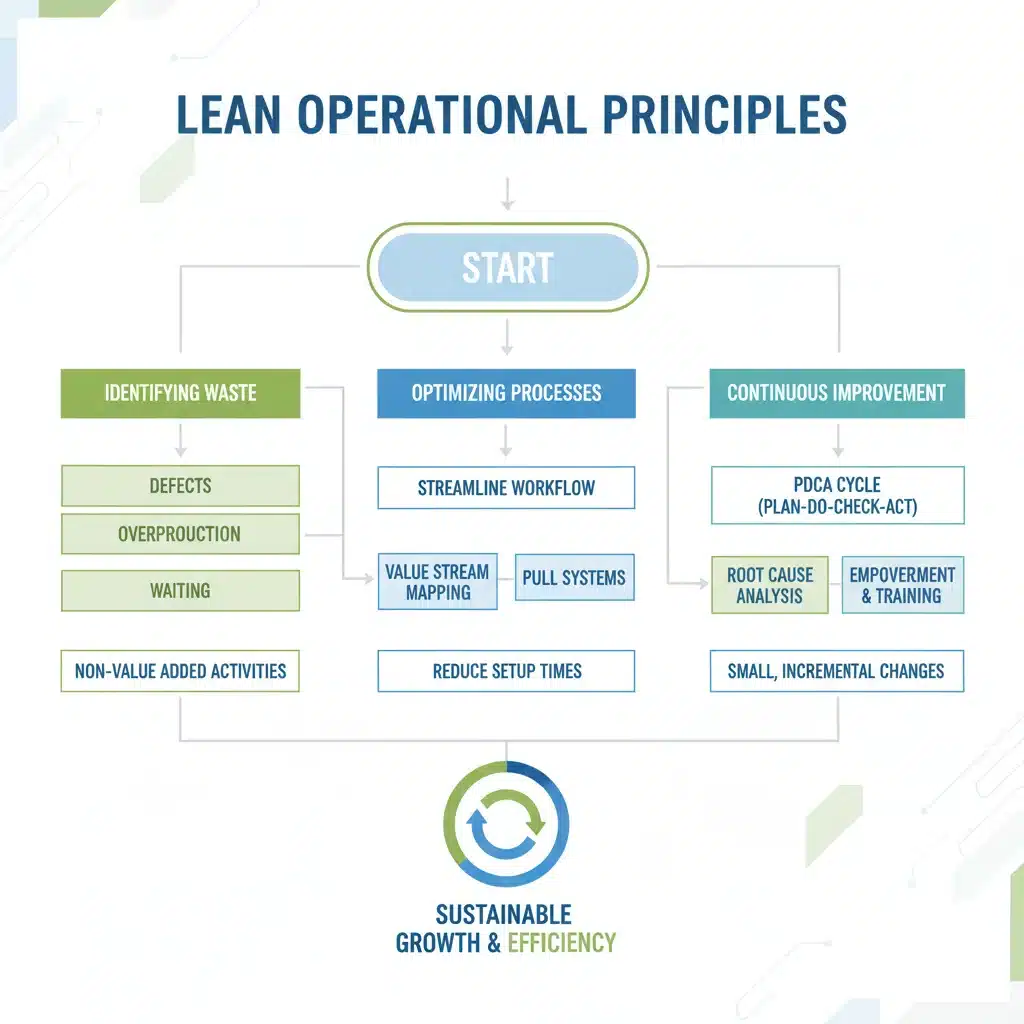
The concept of lean operations, originating from manufacturing, has found a powerful application in the startup world. At its core, lean operations are about maximizing customer value while minimizing waste. For U.S. startups, this translates into a relentless focus on creating value with the least possible expenditure of resources – time, money, and effort. This strategy is foundational to boosting startup capital efficiency.
Embracing a Lean Startup Methodology
The lean startup methodology, popularized by Eric Ries, advocates for iterative product development based on validated learning. Instead of building a perfect product in isolation, startups are encouraged to build a Minimum Viable Product (MVP), launch it quickly, gather user feedback, and iterate. This approach significantly reduces the risk of building something nobody wants, thereby conserving precious capital.
- MVP Development: Focus on core features that solve a critical problem for your target audience. Avoid feature creep that adds complexity and cost without immediate value.
- Build-Measure-Learn Loop: Continuously test hypotheses about your product and market. Use data to inform decisions, rather than assumptions. This prevents costly missteps.
- Rapid Prototyping: Utilize agile development methodologies to quickly develop and test new features or product iterations. This speeds up market feedback loops and reduces development costs.
Optimizing Operational Costs
Beyond product development, lean operations extend to every facet of the business. Scrutinizing and optimizing operational costs is crucial for improving startup capital efficiency.
- Cloud-First Infrastructure: Leverage cloud services (AWS, Azure, Google Cloud) for scalable infrastructure. This allows startups to pay for what they use, avoiding large upfront investments in hardware and maintenance.
- Automation: Automate repetitive tasks in marketing, customer service, and internal operations. Tools for marketing automation, CRM, and task management can free up human resources for more strategic work, reducing the need for extensive hiring.
- Remote or Hybrid Work Models: Consider the benefits of remote or hybrid work. This can significantly reduce office space costs, utilities, and associated overheads. While not suitable for every startup, it offers considerable savings for many.
- Vendor Negotiation and Management: Regularly review vendor contracts and negotiate favorable terms. Explore open-source alternatives where appropriate to reduce licensing fees.
- Smart Marketing Spending: Move away from broad, expensive marketing campaigns. Focus on highly targeted digital marketing, content marketing, and SEO strategies that offer a higher return on investment (ROI). Track campaign performance rigorously to optimize spending.
Talent Acquisition and Management
Personnel costs are often the largest expense for startups. Strategic talent management is therefore critical for startup capital efficiency.
- Strategic Hiring: Hire for critical roles first. Consider fractional or contractor roles for specialized needs that don’t require full-time commitment.
- Upskilling Existing Team: Invest in training and development for your current team. This not only boosts morale but also reduces the need for external hires for new skill sets.
- Performance-Based Incentives: Implement compensation structures that align employee incentives with company performance, such as stock options or performance bonuses, rather than solely relying on high salaries.
By embedding lean principles into every aspect of their operations, U.S. startups can dramatically reduce waste, optimize resource allocation, and significantly extend their financial runway. This proactive approach to cost management is a cornerstone of sustainable growth.
Strategy 2: Forging Strategic Partnerships and Ecosystem Collaboration
In today’s interconnected business world, no startup operates in a vacuum. Strategic partnerships and collaborative efforts within the broader ecosystem can be powerful catalysts for boosting startup capital efficiency. By leveraging the resources, expertise, and networks of other entities, startups can achieve more with less, reducing their direct expenditure and accelerating their growth trajectory.
Technology and Product Partnerships
Collaborating with technology providers or complementary product companies can be a game-changer. Instead of building every component from scratch, which is often time-consuming and expensive, startups can integrate existing solutions.
- API Integrations: Utilize third-party APIs for functionalities like payment processing, CRM, analytics, or communication tools. This saves development time and maintenance costs.
- Platform Partnerships: Build on established platforms (e.g., Salesforce AppExchange, Shopify App Store) to gain immediate access to a large user base and leverage their existing infrastructure.
- Co-development: Partner with another startup or company to co-develop a feature or product that benefits both parties, sharing the development costs and risks.
Distribution and Marketing Partnerships
Reaching target customers can be incredibly expensive. Strategic alliances can open up new distribution channels and amplify marketing efforts without incurring proportional costs.
- Channel Partners: Work with resellers, distributors, or agencies that have established access to your target market. They can help you scale sales without building out a large internal sales team immediately.
- Affiliate Marketing: Engage affiliates who promote your product or service for a commission on sales. This is a performance-based model, meaning you only pay for results.
- Co-marketing Initiatives: Collaborate with non-competing businesses that share your target audience on joint webinars, content creation, or promotional campaigns. This allows for shared marketing costs and broader reach.
- Influencer Marketing: Partner with relevant influencers who can authentically promote your product to their audience, often at a more cost-effective rate than traditional advertising.
Strategic Alliances with Larger Corporations or Industry Leaders
While challenging to secure, partnerships with established companies can provide startups with invaluable resources, credibility, and market access.
- Pilot Programs: Offer your solution as a pilot to a larger corporation. This can provide early validation, valuable feedback, and potentially lead to a larger contract without significant upfront sales and marketing costs.
- Corporate Venture Capital (CVC): Seek investment from CVC arms that often come with strategic benefits beyond capital, such as mentorship, access to corporate resources, and potential customer relationships.
- Joint Ventures: In some cases, forming a joint venture for a specific project can allow both parties to share resources and risks, tapping into new markets or developing innovative solutions.
Leveraging Startup Accelerators, Incubators, and Government Programs
These programs are designed to support startups and can be a significant source of non-dilutive capital, mentorship, and resources, all contributing to startup capital efficiency.
- Accelerators/Incubators: Programs like Y Combinator, Techstars, or local incubators provide seed funding, mentorship, office space, and access to networks in exchange for a small equity stake. The value derived often far outweighs the equity given up.
- Government Grants and Subsidies: Explore federal and state-level grants (e.g., SBIR/STTR programs in the U.S.) that provide non-dilutive funding for research and development.
- University Partnerships: Collaborate with university research departments for R&D, leveraging academic expertise and facilities, sometimes at a lower cost than commercial alternatives.
By strategically engaging with other entities, U.S. startups can significantly extend their capabilities and reach without proportionally increasing their burn rate. This collaborative approach is a powerful tool for bolstering startup capital efficiency and navigating the competitive landscape of 2026.

Strategy 3: Implementing Robust Financial Planning and Management
Even with lean operations and strategic partnerships, without rigorous financial planning and diligent management, a startup’s capital can quickly evaporate. Robust financial planning is the bedrock upon which startup capital efficiency is built. It involves forecasting, budgeting, cash flow management, and continuous financial analysis to ensure every dollar is working as hard as possible.
Accurate Financial Forecasting and Budgeting
Forecasting and budgeting are not merely administrative tasks; they are strategic tools that provide a roadmap for financial health.
- Detailed Financial Models: Develop comprehensive financial models that project revenues, expenses, and cash flow for at least 12-18 months. These models should be dynamic and allow for scenario planning (best-case, worst-case, most likely).
- Zero-Based Budgeting: Instead of incrementally adjusting previous budgets, consider zero-based budgeting, where every expense must be justified for each new period. This forces a critical review of all spending.
- Burn Rate Analysis: Constantly monitor your burn rate (the rate at which your startup is spending its capital). Understand how changes in revenue or expenses impact your runway.
- Cash Flow Projections: Accurately predict incoming and outgoing cash. This is critical for avoiding liquidity crises, even if the company is profitable on paper.
Diligent Cash Flow Management
Cash is king for startups. Effective cash flow management is paramount to extending runway and enhancing startup capital efficiency.
- Optimize Accounts Receivable: Implement clear invoicing procedures and follow up promptly on outstanding payments. Consider early payment discounts for customers to accelerate cash inflow.
- Manage Accounts Payable: Negotiate longer payment terms with vendors where possible, without damaging relationships. This allows you to hold onto cash for longer.
- Contingency Fund: Always maintain a healthy cash reserve for unexpected expenses or market downturns. A common rule of thumb is 3-6 months of operating expenses.
- Capital Allocation Discipline: Prioritize investments that directly contribute to revenue growth or critical product development. Avoid speculative spending or non-essential purchases.
Key Performance Indicators (KPIs) and Metrics Tracking
What gets measured gets managed. Tracking the right financial and operational KPIs is essential for informed decision-making and improving startup capital efficiency.
- Customer Acquisition Cost (CAC): Understand the cost of acquiring a new customer. Aim to reduce CAC through optimized marketing and sales strategies.
- Customer Lifetime Value (LTV): Calculate the total revenue a customer is expected to generate over their relationship with your company. A high LTV relative to CAC is a strong indicator of a healthy business model.
- Churn Rate: Monitor the rate at which customers cancel or stop using your service. High churn can rapidly deplete your customer base and negate acquisition efforts.
- Gross Margin: Understand the profitability of your core product or service after accounting for direct costs. Improving gross margins directly contributes to capital efficiency.
- Employee Productivity Metrics: Track efficiency of your team, ensuring that personnel costs are justified by output and value creation.
Seeking Smart Capital
While the focus is on efficiency, external capital remains vital. The type of capital and the terms under which it’s raised significantly impact startup capital efficiency.
- Dilution Awareness: Understand the impact of equity fundraising on ownership. Seek to raise capital at favorable valuations to minimize dilution.
- Non-Dilutive Funding: Explore options like grants, government loans, venture debt, or revenue-based financing that provide capital without giving up equity.
- Investor Relations: Maintain transparent and proactive communication with existing and potential investors. A strong relationship can facilitate future funding rounds and strategic guidance.
By instituting robust financial planning and management practices, U.S. startups can gain invaluable control over their financial destiny, making every dollar count and strategically extending their runway into 2026 and beyond. This proactive and analytical approach is indispensable for long-term viability.
The Path Forward: Sustained Capital Efficiency into 2026
The journey toward sustained startup capital efficiency is not a one-time endeavor but an ongoing commitment. As the U.S. startup landscape continues to evolve, companies that embed these strategies into their core operations will be better positioned to navigate challenges, seize opportunities, and ultimately achieve their long-term vision. The year 2026 is rapidly approaching, and with it comes a renewed emphasis on sustainable growth models and fiscal responsibility.
Recap of the three pillars:
- Mastering Lean Operations: This involves adopting a lean startup methodology, rigorously optimizing operational costs, and strategically managing talent. The goal is to maximize value creation while minimizing waste across all business functions. From MVP development to cloud infrastructure and smart hiring, every decision should be filtered through a lens of efficiency.
- Forging Strategic Partnerships and Ecosystem Collaboration: By intelligently leveraging external resources, expertise, and networks, startups can extend their capabilities without proportionally increasing their burn rate. Technology integrations, distribution alliances, collaborations with larger corporations, and engagement with accelerators or government programs all contribute to a more capital-efficient growth model.
- Implementing Robust Financial Planning and Management: This pillar is about establishing a solid financial foundation through accurate forecasting, diligent cash flow management, and continuous tracking of key performance indicators. It also encompasses making smart decisions about capital acquisition, prioritizing non-dilutive funding where possible, and maintaining financial discipline.
For U.S. startups, the ability to demonstrate strong startup capital efficiency will be a crucial differentiator in attracting investment, retaining talent, and achieving market leadership. Investors are increasingly seeking businesses that can show a clear path to profitability and sustainable unit economics, rather than just top-line growth. By focusing on these three strategies, startups can build resilient business models that are less susceptible to market fluctuations and more capable of generating long-term value.
Moreover, a culture of capital efficiency permeates the entire organization. It encourages creativity in problem-solving, fosters a sense of ownership among employees, and promotes a data-driven approach to decision-making. When every team member understands the importance of prudent resource management, the collective impact on the company’s runway can be profound. This isn’t just about cutting costs; it’s about intelligent allocation and maximizing the return on every dollar invested.
Looking ahead to 2026, the competitive landscape for U.S. startups will likely remain intense. Those that proactively embrace these strategies will not only extend their runway but will also build stronger, more adaptable, and ultimately more successful enterprises. It’s an investment in your startup’s future, ensuring that your innovative ideas have the financial backing and operational discipline required to truly flourish.
So, take the time to evaluate your current operations, identify areas for improvement, and begin implementing these strategies today. Your startup’s future success and longevity hinge on your ability to master startup capital efficiency.
Key Takeaways for U.S. Startups:
- Prioritize Value Creation: Focus on what truly delivers value to your customers and eliminate all non-essential activities and expenditures.
- Build a Strong Network: Actively seek out and cultivate partnerships that can provide complementary resources and accelerate growth.
- Data-Driven Decisions: Use financial data and KPIs to guide your strategic planning and operational adjustments.
- Agility and Adaptability: Be prepared to pivot and adjust strategies based on market feedback and financial performance.
- Long-Term Vision: While extending runway is critical, always align efficiency efforts with your long-term vision for sustainable growth and profitability.
By integrating these principles into your startup’s DNA, you can confidently navigate the challenges of the coming years and position your company for remarkable success in 2026 and beyond. The future belongs to the efficient.