Hyper-Personalized Outreach: Boost Reply Rates by 20% in 2026

The 2026 Guide to Hyper-Personalized Outreach: Achieve 20% Higher Reply Rates with Current Strategies
In the ever-evolving landscape of digital communication, the quest for genuine connection has never been more critical. As we step into 2026, the noise level in inboxes and social feeds continues to escalate, making it increasingly challenging to capture the attention of your target audience. The days of generic, one-size-fits-all outreach are long gone. Today, and increasingly so in the future, the key to breaking through the clutter and achieving significantly higher reply rates lies in hyper-personalized outreach.
This comprehensive guide will delve deep into the strategies, technologies, and methodologies that will define successful hyper-personalized outreach in 2026. Our goal is to equip you with the knowledge and tools to not only achieve, but surpass, a 20% higher reply rate, fostering stronger relationships and driving tangible business outcomes. We’ll explore how AI, advanced data analytics, and a profound understanding of human psychology can transform your outreach efforts from forgettable to indispensable.
The Evolution of Personalization: Beyond First Names
For years, personalization in outreach meant little more than using a prospect’s first name in an email subject line or opening. While a step in the right direction, this superficial approach is no longer sufficient. In 2026, hyper-personalized outreach signifies a paradigm shift, moving beyond basic demographic information to a granular understanding of individual needs, behaviors, preferences, and even emotional states.
True hyper-personalization involves leveraging vast datasets to create a 360-degree view of each prospect. This includes their professional history, recent company achievements, industry trends impacting them, their online activity, content consumption patterns, and even their preferred communication channels and times. The objective is to craft messages that resonate so deeply, they feel as though they were written specifically and exclusively for that individual, addressing their unique pain points and aspirations.
Why Hyper-Personalization is No Longer Optional
The reasons for embracing hyper-personalized outreach are compelling and directly impact your bottom line:
- Increased Engagement: When recipients feel understood, they are far more likely to open, read, and respond to your messages.
- Higher Reply Rates: Tailored content that addresses specific needs naturally leads to more meaningful conversations and, consequently, higher reply rates. Our target of 20% higher reply rates is ambitious but entirely achievable with the right strategies.
- Improved Conversion Rates: Engaged prospects who feel valued are more likely to convert into customers.
- Stronger Relationships: Thoughtful, relevant communication builds trust and establishes a foundation for long-term relationships.
- Competitive Advantage: In a crowded market, hyper-personalization differentiates you from competitors still relying on generic tactics.
- Reduced Churn: By understanding and consistently addressing customer needs, you reduce the likelihood of them seeking alternatives.
The Pillars of 2026 Hyper-Personalized Outreach
Achieving a 20% increase in reply rates through hyper-personalized outreach in 2026 requires a multi-faceted approach built upon several key pillars:
1. Advanced Data Collection and Analytics
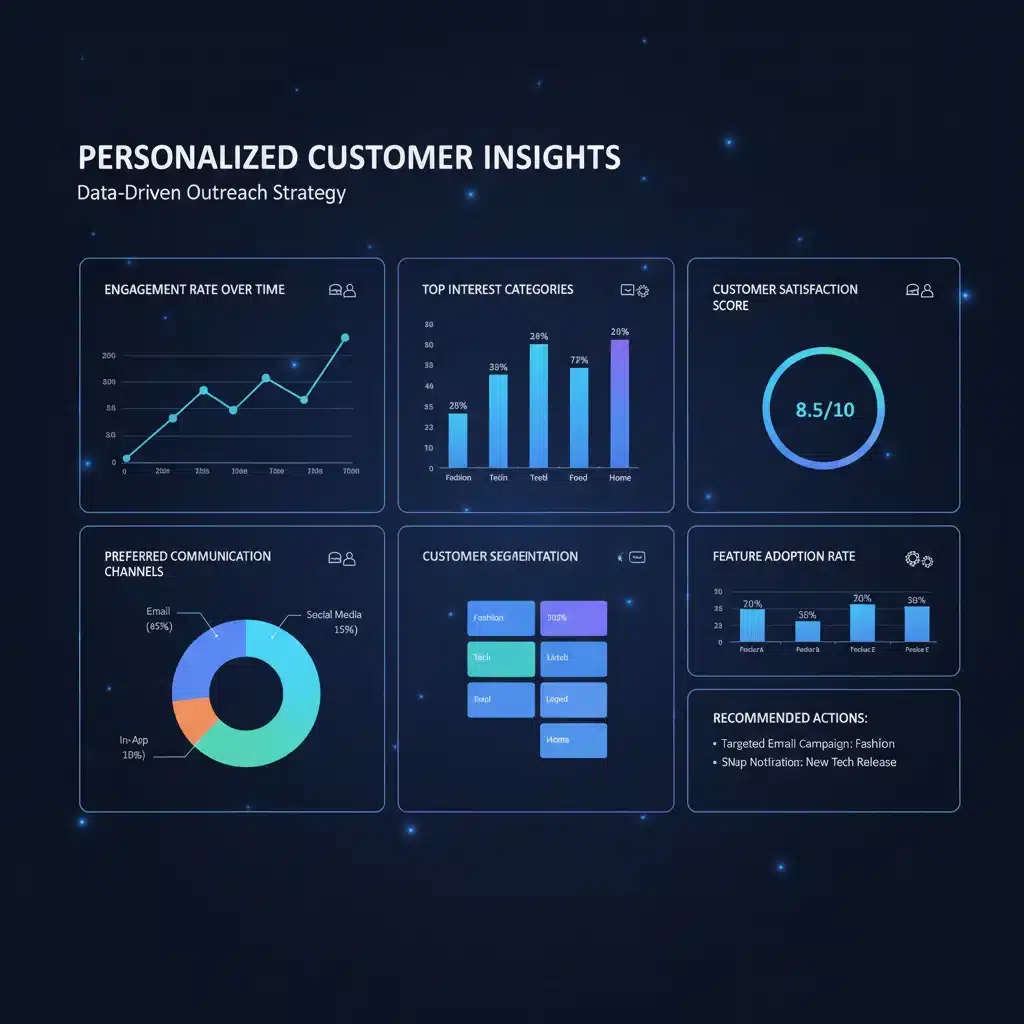
The foundation of any successful hyper-personalization strategy is robust data. In 2026, this goes beyond CRM data. It involves integrating information from various sources:
- Behavioral Data: Website visits, content downloads, email opens/clicks, product usage.
- Firmographic Data: Company size, industry, revenue, growth stage.
- Technographic Data: Technologies used by the company.
- Psychographic Data: Interests, values, attitudes (inferred from online activity and content consumption).
- Intent Data: Signals indicating a prospect’s likelihood to buy, such as searching for specific solutions, visiting competitor websites, or engaging with relevant forum discussions.
- Social Media Insights: Professional updates, shared content, comments, and connections.
Tools equipped with AI and machine learning are crucial for collecting, cleaning, and analyzing this vast amount of data, identifying patterns and insights that human analysts might miss. This allows for predictive modeling, anticipating prospect needs before they even articulate them.
2. AI-Powered Content Generation and Optimization
Artificial intelligence is no longer a futuristic concept; it’s an indispensable co-pilot for hyper-personalized outreach. AI tools can:
- Draft Personalized Messages: Based on the collected data, AI can generate initial drafts of emails, social media messages, or video scripts that are highly relevant to the individual prospect.
- Optimize Subject Lines: AI can analyze past performance and predict which subject lines will achieve the highest open rates for specific segments or individuals.
- Suggest Optimal Send Times: By analyzing a prospect’s historical engagement patterns, AI can recommend the best time to send a message for maximum impact.
- Personalize Content Recommendations: For follow-up emails, AI can suggest relevant case studies, whitepapers, or blog posts based on the prospect’s expressed interests.
- Analyze Sentiment: AI can gauge the sentiment of incoming replies, helping you prioritize responses and tailor your follow-up tone.
It’s important to note that AI should augment, not replace, human creativity and empathy. The best approach involves AI generating the initial highly personalized framework, which a human then refines with their unique voice and understanding.
3. Multi-Channel Orchestration
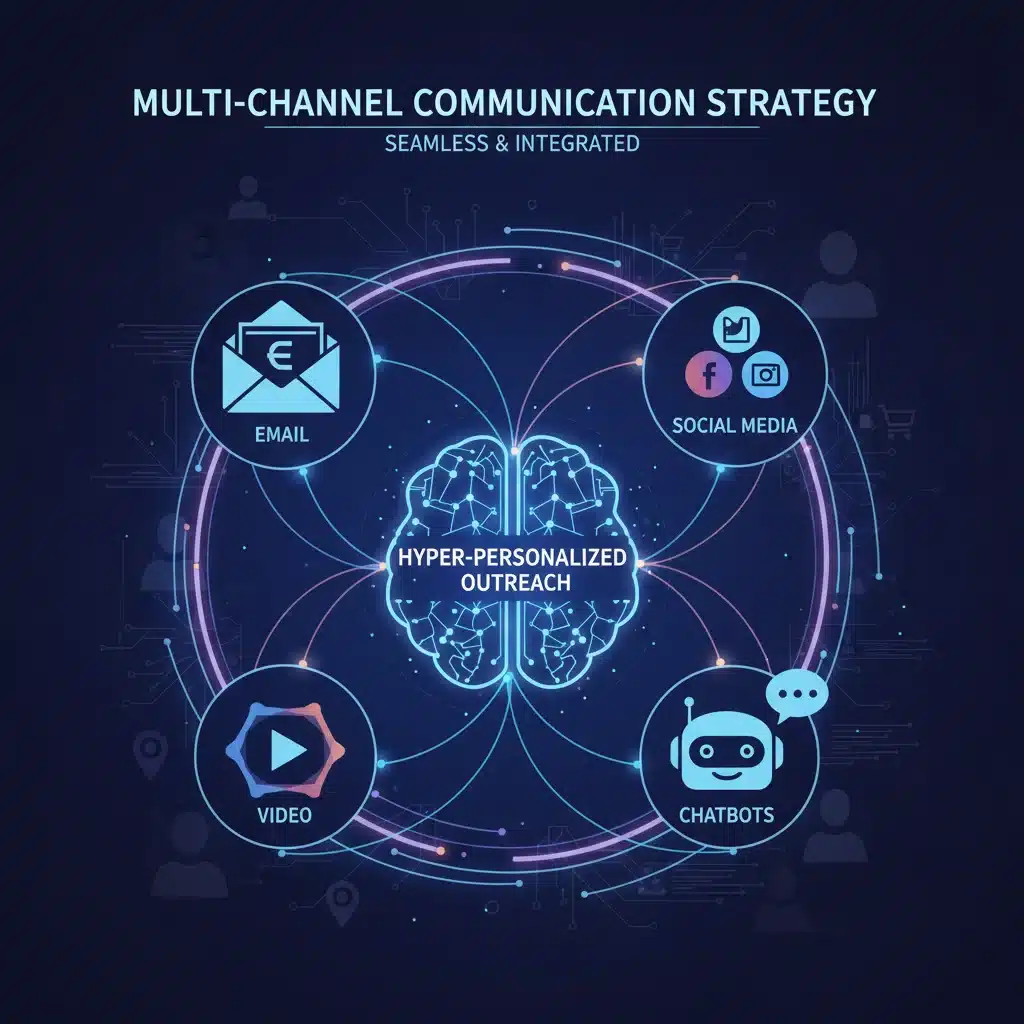
A truly hyper-personalized strategy doesn’t confine itself to a single channel. Prospects interact across various platforms, and your outreach should reflect that. In 2026, successful hyper-personalized outreach will seamlessly integrate:
- Email: Still a cornerstone, but with highly customized content and timing.
- LinkedIn/Professional Networks: Personalized connection requests, direct messages, and engagement with their content.
- Video Messaging: Short, personalized video clips can be incredibly effective for breaking through the noise and conveying genuine intent.
- Chatbots (with human handover): For initial qualification or answering common questions, leading to a more informed human interaction.
- Personalized Landing Pages: Directing prospects to landing pages specifically tailored to their interests and the outreach message.
- Direct Mail (strategic): For high-value prospects, a physical, personalized gift or letter can create a memorable touchpoint.
The key is to create a cohesive journey across these channels, ensuring each touchpoint builds upon the last and reinforces the personalized message.
4. Empathy and Human Touch
Despite the rise of AI and automation, the human element remains paramount. Hyper-personalized outreach isn’t about being robotic; it’s about using technology to facilitate more genuine human connections. This means:
- Understanding Pain Points: Truly listening and empathizing with the prospect’s challenges.
- Authenticity: Messages should sound like they’re coming from a real person, not a generic template.
- Value-Driven: Always focus on how you can provide value to the prospect, not just what you want to sell.
- Respecting Boundaries: Understanding when to pull back if a prospect isn’t receptive.
The most effective hyper-personalized outreach combines the efficiency of AI with the irreplaceable qualities of human empathy and intuition.
Strategies for Achieving 20% Higher Reply Rates
Now, let’s break down actionable strategies to implement hyper-personalized outreach and achieve those coveted higher reply rates:
1. Deep Prospect Research with AI Augmentation
Before crafting any message, invest significant time in understanding your prospect. Utilize AI-powered tools that can scour public data, company news, social media, and industry reports to build a comprehensive profile. Look for:
- Recent Wins/Losses: Has their company just secured funding, announced a new product, or gone through a merger?
- Key Initiatives: What strategic goals are they currently focused on?
- Personal Interests (Professional): What content do they share? What events do they attend?
- Common Connections: Any mutual contacts that can provide a warm introduction or context.
- Pain Points: What challenges are common in their role or industry, and how might your solution address them?
This deep dive allows you to tailor your opening line to something highly specific and relevant, immediately signaling that this isn’t a mass email.
2. Crafting Hyper-Relevant Opening Lines
The first sentence is your most critical. It must immediately grab attention and demonstrate that you’ve done your homework. Avoid generic greetings. Instead, reference something specific you learned during your research:
-
Generic: ‘Hope you’re having a great week!’
-
Personalized: ‘Loved your recent post on LinkedIn about the challenges of scaling AI adoption in manufacturing. It resonated deeply with some of the trends we’re seeing.’
-
Generic: ‘I saw your company does X.’
-
Personalized: ‘Congratulations on your recent Series B funding round! That’s an impressive milestone, especially given your focus on sustainable energy solutions.’
This level of specificity makes it much harder for a prospect to ignore your message.
3. Value Proposition Tailored to Individual Pain Points
Once you have their attention, your value proposition must immediately connect with their identified pain points or aspirations. Don’t talk about features; talk about solutions to *their* specific problems.
-
Generic: ‘Our software has features A, B, and C.’
-
Personalized: ‘Given your company’s recent expansion into new markets, I imagine streamlining your international logistics is a top priority. Our platform has helped similar companies reduce their shipping costs by an average of 15% while improving delivery times.’
Demonstrate a clear understanding of their world and offer a tangible benefit that directly addresses their challenges.
4. Leveraging Dynamic Content and AI-Generated Snippets
Modern outreach platforms, especially in 2026, will allow for dynamic content insertion based on prospect data. This means different segments of an email or message can be swapped out depending on the recipient’s industry, role, or past interactions.
AI can assist in generating these snippets, ensuring they are grammatically correct, on-brand, and highly relevant. For example, an AI could suggest a specific case study to include based on the prospect’s company size and industry.
5. The Power of Personalized Video
Video outreach is gaining immense traction. In 2026, personalized video will be a staple of hyper-personalized outreach. Tools allow you to record short videos (e.g., 30-90 seconds) where you directly address the prospect by name, reference their company, and briefly explain how you can help. This humanizes the interaction and creates a strong emotional connection that text alone often cannot achieve.
Imagine receiving an email with a subject line like ‘A quick video for [Prospect’s Name] regarding [Their Company’s Recent Achievement].’ The likelihood of opening and watching that video is significantly higher than a standard text email.
6. Strategic Follow-Up Sequences with Behavioral Triggers
Follow-up is crucial, but generic follow-ups are just noise. In 2026, hyper-personalized outreach sequences are dynamic and triggered by prospect behavior. For instance:
- If they open an email but don’t click a link, the next message might offer a different piece of content.
- If they click a link to a specific product page, the follow-up might focus on that product’s benefits.
- If they watch a personalized video, the next email could reference a specific point from the video.
AI plays a vital role here, analyzing engagement patterns and recommending the optimal next step in the outreach sequence.
7. Leverage Social Listening for Timely Engagement
Monitor social media and news outlets for mentions of your target accounts or individuals. A timely, personalized message congratulating them on an award, commenting on their recent article, or offering support during a challenging time can open doors that traditional outreach cannot. This demonstrates genuine interest and positions you as a valuable resource, not just another salesperson.
Tools and Technologies for 2026 Hyper-Personalized Outreach
To effectively implement these strategies, you’ll need to leverage a sophisticated tech stack:
- CRM Systems (e.g., Salesforce, HubSpot): As the central repository for prospect data.
- Sales Engagement Platforms (e.g., Salesloft, Outreach.io): For orchestrating multi-channel sequences, tracking engagement, and automating personalized touches.
- AI-Powered Writing Assistants (e.g., Jasper, Copy.ai): To assist in generating personalized message drafts and optimizing content.
- Data Enrichment Tools (e.g., ZoomInfo, Clearbit): To gather comprehensive firmographic, technographic, and intent data.
- Video Messaging Tools (e.g., Vidyard, Loom): For recording and sending personalized videos.
- Intent Data Providers (e.g., G2, Bombora): To identify prospects actively researching solutions like yours.
- Social Listening Tools (e.g., Brandwatch, Sprout Social): To monitor relevant conversations and engage opportunistically.
The integration of these tools is crucial for a seamless and efficient hyper-personalized outreach workflow.
Measuring Success and Iterating
Achieving a 20% higher reply rate isn’t a one-time effort; it’s a continuous process of measurement, analysis, and iteration. Key metrics to track include:
- Open Rates: Are your subject lines compelling enough?
- Click-Through Rates (CTR): Is your content engaging and driving action?
- Reply Rates: The ultimate indicator of whether your personalization is resonating.
- Conversion Rates: Are these conversations leading to qualified opportunities?
- Time to Conversion: Is hyper-personalization accelerating the sales cycle?
- Sentiment Analysis: Are replies generally positive, neutral, or negative?
Utilize A/B testing for different personalization tactics, subject lines, and calls to action. Leverage the insights from your data analytics tools to continuously refine your approach. What works for one segment might not work for another, so flexibility and adaptability are key.
Challenges and Ethical Considerations in Hyper-Personalization
While the benefits of hyper-personalized outreach are undeniable, it’s important to address potential challenges and ethical considerations:
- Data Privacy: Ensure compliance with data privacy regulations (GDPR, CCPA, etc.). Transparency about data collection and usage is paramount.
- Creepiness Factor: There’s a fine line between personalization and being perceived as ‘creepy.’ Avoid using overly intimate or easily accessible personal details that could make prospects uncomfortable. Focus on professional relevance.
- Scalability: While AI helps, true hyper-personalization can still be resource-intensive. Prioritize high-value prospects for the deepest level of personalization.
- Maintaining Authenticity: Don’t let automation strip away your genuine voice. AI should assist, not dictate, your communication style.
Ethical considerations should always guide your hyper-personalized outreach strategy. Focus on building trust and providing value, rather than simply extracting data for a sale.
The Future of Hyper-Personalized Outreach: Beyond 2026
Looking beyond 2026, we can anticipate even more sophisticated developments in hyper-personalized outreach:
- Predictive Personalization: AI will become even better at predicting future needs and recommending solutions proactively, almost before the prospect realizes they have a problem.
- Emotional AI: Technologies capable of analyzing emotional cues in text and voice will allow for even more nuanced and empathetic responses.
- Metaverse Integration: As virtual and augmented realities become more prevalent, outreach might extend to personalized interactions within these immersive environments.
- Hyper-Personalized Content Journeys: Entire websites and content hubs will dynamically reconfigure themselves based on individual visitor profiles and real-time behavior.
The core principle, however, will remain the same: understanding the individual at a profound level and delivering value in a way that resonates uniquely with them. The tools will evolve, but the human desire for connection and relevance will endure.
Conclusion: Embrace Hyper-Personalization for Unprecedented Results
The era of generic outreach is firmly in the past. In 2026, mastering hyper-personalized outreach is not just a competitive advantage; it’s a fundamental requirement for achieving significant engagement and driving business growth. By strategically leveraging advanced data analytics, AI-powered tools, multi-channel orchestration, and an unwavering commitment to human empathy, you can realistically expect to boost your reply rates by 20% or more. This isn’t just about sending more emails; it’s about sending the right emails, to the right people, at the right time, with the right message. Embrace the future of communication, and watch your relationships and results flourish.