Scaling Your U.S. Startup: Achieving 20% Growth in 6 Months with Lean Strategies for 2026

Scaling Your U.S. Startup: Achieving 20% Growth in 6 Months with Lean Strategies for 2026
In the fiercely competitive landscape of the U.S. startup ecosystem, achieving significant, sustainable growth is not merely an aspiration but a necessity. For ambitious founders aiming for a formidable 20% growth within a concentrated six-month period by 2026, the path forward demands more than just innovation; it requires precision, agility, and a deeply ingrained lean mindset. This comprehensive guide will delve into the actionable lean strategies that empower U.S. startups to not only meet but exceed these ambitious growth targets, ensuring long-term viability and market leadership.
The concept of lean startup growth isn’t new, but its application in today’s dynamic market, particularly within the U.S., has evolved. It’s no longer just about minimizing waste; it’s about maximizing learning, customer value, and iterative development to unlock exponential scaling. We’ll explore how to identify and capitalize on market opportunities, optimize operational efficiency, and build a resilient growth engine that propels your startup forward.
Understanding the U.S. Market Dynamics for 2026
Before embarking on any growth strategy, a profound understanding of the U.S. market in 2026 is paramount. The economic, technological, and social landscapes are constantly shifting, presenting both challenges and unparalleled opportunities for startups. Key trends to consider include:
- Technological Advancements: The accelerating pace of AI, machine learning, blockchain, and IoT continues to reshape industries. Startups that leverage these technologies to create superior value propositions will gain a significant edge.
- Evolving Consumer Behavior: Post-pandemic shifts have solidified preferences for digital-first experiences, personalized services, and products aligning with ethical and sustainable values. Understanding these nuances is crucial for customer acquisition and retention.
- Competitive Intensity: The U.S. market remains a magnet for innovation, leading to high competition. Differentiation through unique value, exceptional customer experience, or niche market focus becomes critical.
- Regulatory Landscape: Staying abreast of federal and state regulations, especially concerning data privacy, consumer protection, and industry-specific compliance, is essential to avoid costly pitfalls and build trust.
A thorough market analysis, including competitor benchmarking and identification of underserved segments, forms the bedrock of any successful lean startup growth strategy. This initial phase isn’t about grand plans, but about gathering validated learning to inform your iterative approach.
Phase 1: Strategic Planning & Validation (Months 1-2)
The first two months are dedicated to refining your core strategy and validating key assumptions with minimal resources. This is where the lean principles of ‘Build-Measure-Learn’ truly shine.
1. Revisit Your Value Proposition and Target Audience
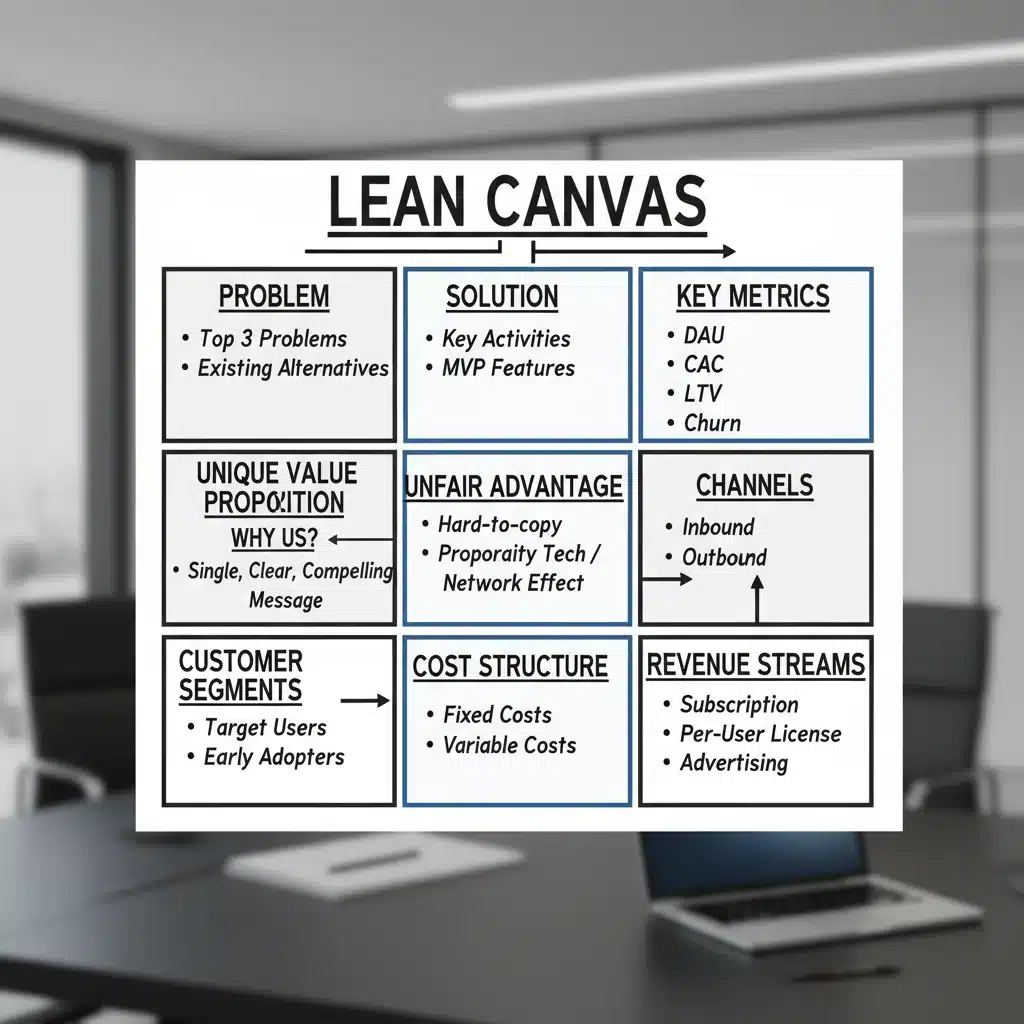
Even if your startup has been operational for a while, a fresh look at your value proposition is crucial. Does it still resonate with your ideal customer in the 2026 U.S. market? Are you solving a genuine problem in a way that is distinctly better than alternatives? Use frameworks like the Value Proposition Canvas to ensure alignment between customer pains, gains, and your product/service offerings.
Refine your target audience definition. Who are your early adopters? What are their specific needs, behaviors, and demographic profiles? The more precise you are, the more effectively you can tailor your marketing and sales efforts, leading to more efficient customer acquisition – a cornerstone of effective lean startup growth.
2. Lean Experimentation and MVP Refinement
Growth in a lean context is driven by validated learning. Instead of making large, speculative investments, conduct small, rapid experiments to test hypotheses about your product, market, and customer behavior. This could involve:
- A/B testing different landing pages to gauge messaging effectiveness.
- Running small-scale ad campaigns to test audience segments.
- Conducting user interviews and surveys to gather qualitative feedback on new features or pricing models.
Your Minimum Viable Product (MVP) should be continuously refined based on this feedback. Each iteration should add value incrementally, focusing on features that solve critical customer problems and drive engagement. This agile approach minimizes development waste and ensures your product evolves in lockstep with market demand.
3. Establish Clear, Measurable Growth Metrics
To achieve 20% growth, you need to define what that growth looks like and how you’ll measure it. Beyond top-line revenue, consider key performance indicators (KPIs) that reflect healthy lean startup growth:
- Customer Acquisition Cost (CAC): How much does it cost to acquire a new customer? Lean strategies aim to reduce this.
- Customer Lifetime Value (CLTV): The total revenue a business can reasonably expect from a single customer account. A high CLTV indicates a sustainable business model.
- Churn Rate: The percentage of customers who stop using your product or service over a given period. Reducing churn is often more cost-effective than acquiring new customers.
- Net Promoter Score (NPS) or Customer Satisfaction (CSAT): Indicators of customer loyalty and satisfaction, crucial for organic growth through referrals.
- Conversion Rates: At various stages of your sales funnel, from visitor to lead to paying customer.
Set realistic, yet ambitious, targets for these metrics and establish a robust system for tracking and reporting them. Regular analysis of these metrics will inform your subsequent strategic adjustments.
Phase 2: Lean Market Penetration & Optimization (Months 3-4)
With a validated strategy and clear metrics, months 3 and 4 focus on executing targeted market penetration strategies and optimizing your existing operations for efficiency.
1. Hyper-Focused Marketing and Sales Channels
Instead of spreading your resources thin across all possible marketing channels, identify the 2-3 most effective channels for reaching your refined target audience. For U.S. startups, this might include:
- Content Marketing: Creating valuable content (blog posts, whitepapers, videos) that addresses customer pain points and establishes your startup as a thought leader. Optimize for SEO to capture organic search traffic.
- Targeted Digital Advertising: Utilizing platforms like Google Ads, LinkedIn Ads, or specific social media channels with precise demographic and psychographic targeting.
- Strategic Partnerships: Collaborating with complementary businesses or influencers to tap into their existing customer bases.
- Community Building: Engaging with online and offline communities relevant to your niche, providing value, and building brand awareness.
Continuously measure the ROI of each channel. If a channel isn’t performing, pivot quickly. This lean approach to marketing ensures that every dollar spent contributes directly to your lean startup growth objectives.
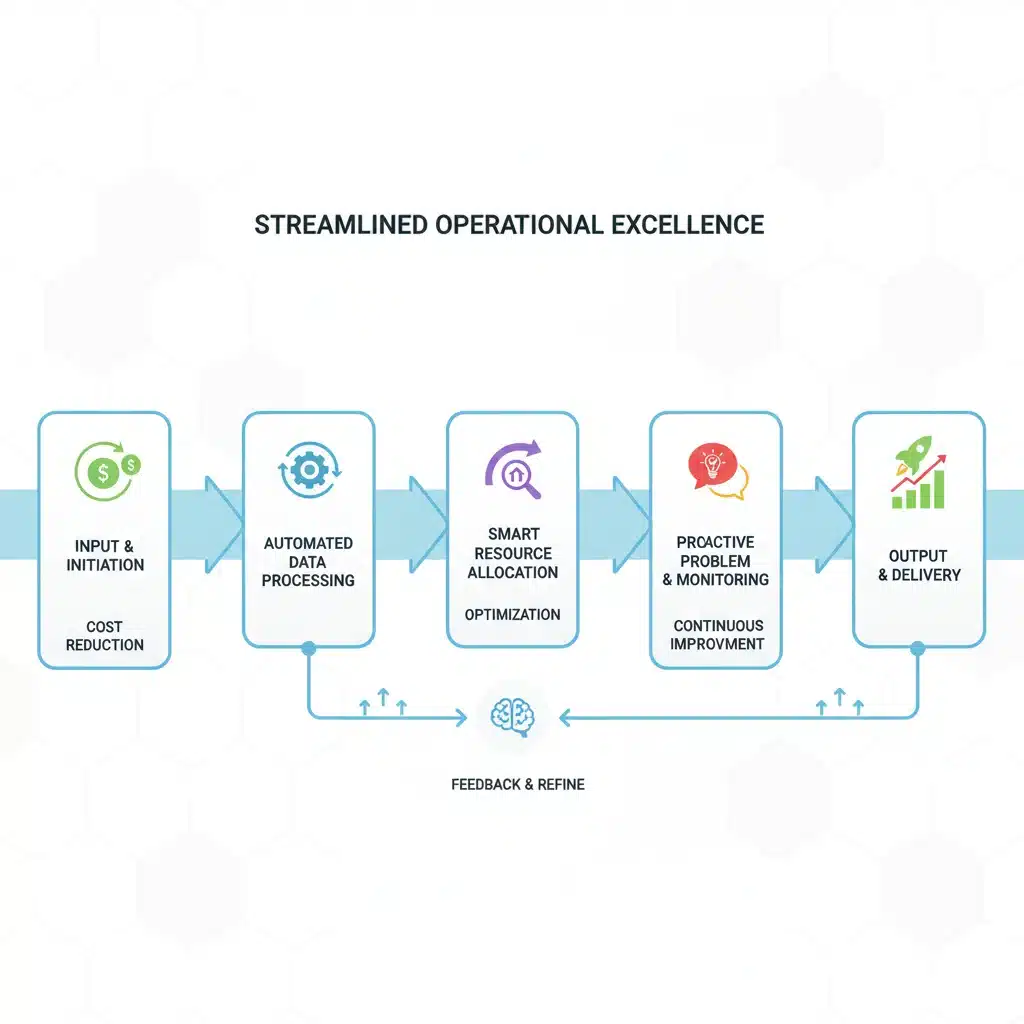
2. Operational Efficiency & Automation
Growth can be stifled by inefficient internal processes. Identify bottlenecks and areas where automation can streamline operations, reduce manual effort, and free up your team to focus on high-value tasks. Consider:
- CRM Implementation: A robust Customer Relationship Management system to manage leads, customer interactions, and sales pipelines efficiently.
- Marketing Automation: Tools for email marketing, social media scheduling, and lead nurturing.
- Customer Support Automation: Chatbots for FAQs, self-service portals, and ticketing systems to improve response times and reduce support costs.
- Financial Management Tools: Automating invoicing, expense tracking, and reporting to gain clearer financial insights.
The goal is to scale your operations without proportionally increasing your costs, a hallmark of sustainable lean startup growth.
3. Cultivating Customer Loyalty and Advocacy
Retaining existing customers is significantly more cost-effective than acquiring new ones. Focus on delivering exceptional customer experiences that foster loyalty and turn customers into advocates. Strategies include:
- Proactive Customer Support: Anticipating and addressing customer needs before they become problems.
- Personalized Communication: Tailoring interactions based on customer data and preferences.
- Feedback Loops: Actively soliciting and acting upon customer feedback to improve your product and service.
- Loyalty Programs: Rewarding repeat business and encouraging referrals.
Happy customers are your most powerful marketing asset, driving organic growth through word-of-mouth and positive reviews, which are invaluable for any U.S. startup aiming for rapid expansion.
Phase 3: Scaling & Continuous Improvement (Months 5-6)
The final two months are about solidifying your growth, identifying new opportunities, and embedding a culture of continuous improvement to sustain your lean startup growth beyond the initial six-month target.
1. Data-Driven Expansion Opportunities
By now, you should have a wealth of data on what’s working and what’s not. Use this data to identify new avenues for growth:
- Geographic Expansion: If your product performs well in one U.S. region, could it be replicated in another?
- New Product/Service Lines: Are there unmet needs among your existing customer base that you can address with extensions of your current offering?
- New Customer Segments: Can your solution be adapted to serve a slightly different market segment?
- Partnership Deepening: Explore deeper integrations or joint ventures with successful partners.
Each expansion opportunity should be approached with the same lean experimentation mindset: test, measure, and iterate before committing significant resources.
2. Building a Scalable Team and Culture
Your team is the engine of your growth. As you scale, ensure your hiring process is efficient and that you’re attracting talent aligned with your lean, agile culture. Focus on:
- Clear Roles and Responsibilities: Define roles to avoid overlap and ensure everyone understands their contribution to growth.
- Empowerment and Autonomy: Foster an environment where team members are empowered to make decisions and take ownership.
- Continuous Learning: Encourage skill development and knowledge sharing to adapt to new challenges.
- Performance Management: Implement systems for regular feedback, goal setting, and recognition to keep the team motivated and aligned with growth objectives.
A strong, adaptable team is crucial for sustaining lean startup growth and navigating the complexities of scaling in the U.S. market.
3. Financial Discipline and Resource Allocation
Maintaining financial discipline is paramount, especially during periods of rapid growth. Regularly review your budget, cash flow, and spending patterns. Prioritize investments that directly contribute to your growth metrics and offer clear ROI. This includes:
- Cost-Benefit Analysis: Before investing in new tools, campaigns, or hires, conduct a thorough analysis of their potential impact on your growth and profitability.
- Forecasting: Develop accurate financial forecasts to anticipate future needs and allocate resources effectively.
- Contingency Planning: Always have a buffer for unexpected challenges, ensuring your startup can weather unforeseen circumstances without derailing its growth trajectory.
Lean finance isn’t about being cheap; it’s about being smart with your resources to maximize their impact on growth.
Common Pitfalls to Avoid in Your Lean Startup Growth Journey
While the lean methodology offers a robust framework for growth, several common mistakes can derail even the most promising U.S. startups:
- Ignoring Customer Feedback: Believing you know best, without continuous validation from your target market, is a recipe for failure.
- Premature Scaling: Investing heavily in infrastructure, marketing, or hiring before validating your product-market fit and repeatable sales process. This can quickly deplete resources.
- Lack of Focus: Trying to be everything to everyone. A narrow, well-defined niche often leads to faster, more sustainable growth.
- Inadequate Data Tracking: Without clear metrics and a system to track them, you’re flying blind, unable to make informed decisions.
- Resistance to Change: The lean approach demands flexibility and a willingness to pivot. Clinging to initial ideas in the face of contradictory evidence will hinder progress.
- Underestimating Competition: The U.S. market is highly competitive. Always be aware of your competitors and strive for continuous differentiation.
By being mindful of these pitfalls, U.S. startups can navigate their growth journey more effectively and maintain their focus on lean startup growth.
The 2026 Outlook: Sustaining Momentum
Achieving 20% growth in six months is an impressive feat, but the true measure of success lies in the ability to sustain that momentum. The lean principles you’ve applied to achieve this initial surge are precisely what will enable long-term, compounding growth. By 2026, the U.S. market will likely be even more dynamic, emphasizing the need for:
- Continuous Innovation: Regularly evaluating market trends and customer needs to introduce new features, products, or services.
- Adaptability: The ability to quickly adjust strategies in response to market shifts, technological advancements, or competitive pressures.
- Strong Brand Building: Beyond sales, investing in building a recognizable and trusted brand that resonates with your target audience.
- Talent Development: Nurturing your team’s skills and fostering a culture of excellence to drive future innovation and efficiency.
The journey of lean startup growth is not a one-time sprint but an ongoing marathon of learning, adaptation, and strategic execution. By embedding these principles into your startup’s DNA, you’re not just aiming for a growth target; you’re building a resilient, future-proof business.
Conclusion
Achieving 20% growth in six months for a U.S. startup by 2026 is an ambitious yet entirely attainable goal with the right approach. By embracing lean strategies—focusing on validated learning, hyper-focused market penetration, operational efficiency, and unwavering customer centricity—startups can navigate the complexities of the U.S. market and emerge as leaders. This framework provides a clear roadmap, emphasizing agility, data-driven decisions, and continuous improvement. Remember, success in the startup world isn’t about having all the answers from day one; it’s about having the right process to find them quickly and efficiently. Implement these strategies, stay agile, and watch your U.S. startup thrive.