Optimize Sales Funnel 2026: Reduce Drop-off Rates by 18% with Proven Tactics

In the dynamic landscape of modern business, an efficient sales funnel is not just an advantage; it’s a necessity. As we approach 2026, the imperative to optimize sales funnel performance has never been greater. Businesses are constantly seeking innovative strategies to not only attract prospects but also to nurture them effectively through each stage, ultimately reducing drop-off rates and boosting conversions. This comprehensive guide will delve into actionable tactics designed to help you achieve a remarkable 18% reduction in your sales funnel drop-off rates, setting your business up for unparalleled success.
The journey from a curious lead to a loyal customer is rarely linear. It involves multiple touchpoints, decisions, and potential points of friction that can cause prospects to abandon their path. Understanding these friction points, and implementing targeted solutions, is at the core of effective sales funnel optimization. We’ll explore how leveraging data, personalizing experiences, and continuously iterating can transform your sales process.
Understanding Your Current Sales Funnel: The Foundation of Optimization
Before you can begin to optimize sales funnel performance, you must first thoroughly understand its current state. This involves a meticulous analysis of each stage, from initial awareness to final purchase and beyond. Without a clear picture of where prospects are entering, moving through, and, crucially, dropping off, any optimization efforts will be akin to shooting in the dark.
Mapping the Customer Journey
Start by mapping out your entire customer journey. This isn’t just about the steps within your sales funnel; it encompasses all interactions a potential customer has with your brand. Think about how they discover you, what content they consume, how they engage with your marketing efforts, and what triggers them to move to the next stage. A detailed customer journey map will reveal potential gaps and opportunities for improvement.
- Awareness: How do prospects first learn about your product or service? (e.g., social media, search engines, referrals)
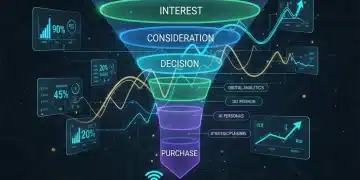
- Interest: What content or interactions pique their interest and encourage them to learn more? (e.g., blog posts, webinars, whitepapers)
- Consideration: What factors do they weigh when evaluating your solution against competitors? (e.g., product demos, case studies, testimonials)
- Intent: What actions indicate a strong desire to purchase? (e.g., adding to cart, requesting a quote, signing up for a trial)
- Evaluation/Purchase: What steps lead to the final transaction? (e.g., checkout process, sales calls, contract signing)
- Retention/Advocacy: How do you keep customers engaged and encourage them to become advocates? (e.g., customer support, loyalty programs, referral incentives)
Identifying Key Metrics and KPIs
To effectively optimize sales funnel processes, you need to define clear Key Performance Indicators (KPIs) for each stage. These metrics will provide measurable insights into the health and efficiency of your funnel.
- Conversion Rates: The percentage of prospects moving from one stage to the next.
- Drop-off Rates: The percentage of prospects abandoning the funnel at specific points. This is a critical metric for our 18% reduction goal.
- Time in Stage: How long prospects spend in each stage of the funnel.
- Lead Source Performance: Which channels bring in the most qualified leads.
- Customer Acquisition Cost (CAC): The cost associated with acquiring a new customer.
- Customer Lifetime Value (CLTV): The total revenue expected from a customer over their relationship with your company.
Leveraging Data Analytics for Insights
Data is your most powerful tool for sales funnel optimization. Utilize analytics platforms (e.g., Google Analytics, CRM data, marketing automation platforms) to gather granular insights into user behavior. Look for patterns, anomalies, and specific pages or interactions where prospects consistently drop off. Understanding the ‘why’ behind these drop-offs is crucial.
For instance, if you notice a high drop-off rate on your pricing page, it could indicate that your pricing is not competitive, or that the value proposition isn’t clearly articulated. If prospects abandon their carts frequently, the checkout process might be too complex or lack trust signals. These data-driven insights will guide your optimization efforts.
Strategies to Reduce Drop-off Rates by 18%
Achieving a significant reduction in drop-off rates requires a multi-faceted approach. Here are proven tactics to help you optimize sales funnel performance and hit your target of an 18% reduction.
1. Enhance Your Lead Qualification Process
One of the primary reasons for high drop-off rates is bringing in unqualified leads. If your sales team is spending time on prospects who are not a good fit for your product or service, they are unlikely to convert, leading to wasted resources and inflated drop-off numbers.
- Develop Ideal Customer Profiles (ICPs): Clearly define who your ideal customer is, including demographics, psychographics, pain points, and goals.
- Implement Lead Scoring: Assign scores to leads based on their engagement and fit with your ICP. Prioritize high-scoring leads for sales outreach.
- Utilize BANT (Budget, Authority, Need, Timeline): Train your sales team to qualify leads based on these criteria early in the process.
- Refine Your Marketing Messaging: Ensure your marketing attracts the right audience from the outset, setting clear expectations.
2. Personalize the Customer Experience
In an increasingly crowded marketplace, generic experiences no longer cut it. Personalization is key to making prospects feel understood and valued, significantly reducing the likelihood of them leaving your funnel.
- Segment Your Audience: Divide your leads into smaller groups based on their characteristics, behaviors, and needs.
- Tailor Content and Offers: Deliver relevant content, product recommendations, and offers that resonate with each segment’s specific pain points and interests.
- Personalized Communication: Use their name, reference their previous interactions, and address their specific challenges in emails, calls, and chat messages.
- Dynamic Website Content: Show different website content or calls-to-action based on a visitor’s past behavior or demographic information.
3. Optimize Landing Pages and Forms
Landing pages and forms are critical conversion points. Poorly designed or confusing pages can be major culprits for high drop-off rates.
- Clear Value Proposition: Immediately communicate the benefits of your offer. Why should they fill out this form or click this button?
- Minimalist Design: Reduce clutter and distractions. Focus on a single, clear call-to-action (CTA).
- Mobile Responsiveness: Ensure your pages look and function perfectly on all devices.
- Short, Relevant Forms: Ask only for essential information. Each additional field increases friction. Consider multi-step forms for longer processes.
- Trust Signals: Include testimonials, security badges, and privacy policies to build confidence.
4. Streamline the Checkout/Conversion Process
The final steps towards conversion are often where prospects are most vulnerable to abandonment. Any friction here can be detrimental.
- Guest Checkout Options: Don’t force users to create an account immediately. Offer guest checkout.
- Progress Indicators: Show users how many steps are left in the process. This manages expectations and reduces perceived effort.
- Multiple Payment Options: Offer a variety of trusted payment methods.
- Clear Error Messages: Provide helpful, specific messages if an error occurs, guiding users to fix the issue.
- Pre-fill Information: If possible, pre-populate fields with known user data.
5. Implement Effective Follow-Up and Nurturing Sequences
Not every prospect will convert on their first visit. A robust follow-up and nurturing strategy is essential to re-engage those who drop off and guide them back into the funnel.
- Abandonment Recovery Emails: Send automated emails to users who abandon carts or forms, reminding them of their interest and offering assistance.
- Retargeting Ads: Display targeted ads to users who have visited your site but haven’t converted, keeping your brand top-of-mind.
- Drip Campaigns: Send a series of educational and value-driven emails over time, building trust and demonstrating expertise.
- CRM Integration: Ensure your CRM is integrated with your marketing automation to provide sales with a full view of lead activity and enable timely, relevant follow-ups.
6. Leverage Social Proof and Trust Signals
People are more likely to convert if they see that others have had positive experiences with your brand. Social proof builds confidence and reduces perceived risk.
- Testimonials and Reviews: prominently display positive customer feedback on relevant pages.
- Case Studies: Showcase how your product or service has helped other businesses achieve success.
- Trust Badges: Use security seals, industry awards, and certifications to demonstrate credibility.
- User-Generated Content: Encourage customers to share their experiences and feature this content.
7. Empower Your Sales Team with the Right Tools and Training
Your sales team is on the front lines of your funnel. Equipping them with the right resources and continuous training is paramount to reducing drop-offs.
- CRM System: A robust CRM helps manage leads, track interactions, and ensure no lead falls through the cracks.
- Sales Enablement Content: Provide your team with easy access to product sheets, case studies, competitor analysis, and objection handling guides.
- Regular Training: Conduct ongoing training on product knowledge, sales techniques, and active listening to better understand and address customer needs.
- Feedback Loop: Establish a clear communication channel between sales and marketing to share insights on lead quality and common objections.
8. A/B Testing and Continuous Optimization
Optimization is not a one-time task; it’s an ongoing process. To effectively optimize sales funnel performance, you must embrace a culture of continuous testing and iteration.
- Hypothesis-Driven Testing: Formulate specific hypotheses about what changes will improve conversion rates (e.g., ‘Changing the CTA button color to green will increase clicks by 5%’).
- Isolate Variables: Test one element at a time to accurately measure its impact.
- Measure and Analyze Results: Use statistical significance to determine if your changes have had a meaningful impact.
- Implement and Iterate: Roll out winning variations and continue testing new ideas.
- Test Everything: From headlines and images to form fields and email subject lines, almost every element of your funnel can be optimized.
Advanced Tactics for Future-Proofing Your Sales Funnel
Beyond the fundamental strategies, incorporating advanced tactics can further accelerate your progress towards reducing drop-off rates and future-proofing your sales funnel for 2026 and beyond.
Leveraging AI and Machine Learning
Artificial Intelligence (AI) and Machine Learning (ML) are transforming sales funnel optimization by providing unprecedented levels of insight and automation.
- Predictive Analytics: AI can analyze historical data to predict which leads are most likely to convert, allowing your sales team to prioritize their efforts.
- Chatbots and Virtual Assistants: AI-powered chatbots can provide instant answers to common questions, qualify leads, and guide prospects through the initial stages of the funnel 24/7, reducing friction and response times.
- Dynamic Pricing: ML algorithms can optimize pricing strategies in real-time based on demand, competitor pricing, and customer segments.
- Content Personalization at Scale: AI can analyze user behavior and deliver hyper-personalized content recommendations and experiences automatically.
Implementing Multi-Channel Engagement
Customers today interact with brands across numerous channels. A fragmented experience can lead to frustration and drop-offs. A cohesive multi-channel strategy ensures a seamless journey.
- Omnichannel Approach: Ensure that customer interactions are consistent and continuous across all touchpoints – email, social media, website, phone, in-person.
- Integrate Communication Platforms: Connect your CRM, marketing automation, and customer service platforms to provide a unified view of the customer.
- Consistent Messaging: Maintain a consistent brand voice and message across all channels.
Focusing on Post-Purchase Nurturing and Advocacy
The sales funnel doesn’t end with a purchase. Retaining customers and turning them into advocates is crucial for long-term growth and can indirectly reduce future drop-off rates by generating high-quality referrals.
- Onboarding Programs: Provide excellent onboarding to ensure new customers quickly realize the value of your product or service.
- Customer Success Teams: Proactively engage with customers to address issues, offer support, and identify opportunities for upselling or cross-selling.
- Loyalty Programs: Reward repeat business and encourage continued engagement.
- Referral Programs: Incentivize existing customers to refer new leads, who often have higher conversion rates and lower drop-off rates.
Measuring Your Success: Tracking the 18% Reduction
To confirm you’re on track to optimize sales funnel performance and achieve your 18% drop-off rate reduction, consistent measurement and analysis are paramount.
Baseline Measurement
Before implementing any changes, establish a clear baseline for your current drop-off rates at each stage of the funnel. This will be your benchmark against which you measure progress.
Regular Reporting and Dashboards
Create dashboards that provide real-time visibility into your key sales funnel metrics. Monitor drop-off rates, conversion rates, and time in stage regularly. Set up alerts for significant deviations.
Attribution Modeling
Understand which marketing channels and touchpoints are most effective in driving conversions and reducing drop-offs. This will help you allocate resources more efficiently and refine your strategies.
Qualitative Feedback
Don’t just rely on quantitative data. Gather qualitative feedback through customer surveys, interviews with lost prospects, and discussions with your sales team. This can uncover underlying reasons for drop-offs that data alone might not reveal.
Common Pitfalls to Avoid When Optimizing Your Sales Funnel
While the goal to optimize sales funnel processes is clear, several common mistakes can hinder progress. Being aware of these can help you navigate your optimization journey more smoothly.
- Ignoring Mobile Experience: A significant portion of internet traffic comes from mobile devices. If your funnel isn’t optimized for mobile, you’re losing a huge segment of potential customers.
- Lack of Clear CTAs: Confusing or absent calls-to-action leave prospects unsure of what to do next, leading to abandonment.
- Over-Complicating the Process: Too many steps, too much information, or too many choices can overwhelm prospects. Simplicity often wins.
- Not Testing Enough: Relying on assumptions rather than data-driven A/B testing can lead to ineffective changes.
- Disregarding Customer Feedback: Ignoring what your customers (and lost prospects) are telling you is a missed opportunity for improvement.
- Siloed Teams: A disconnect between marketing, sales, and customer service can create a disjointed customer experience, increasing drop-off rates. Ensure these teams communicate and collaborate effectively.
- Focusing Only on Top-of-Funnel: While attracting leads is important, neglecting the middle and bottom of the funnel means you’re investing heavily in acquisition only to lose prospects before conversion.
Conclusion: A Path to Sustainable Growth
To successfully optimize sales funnel performance in 2026 and achieve an 18% reduction in drop-off rates, businesses must embrace a holistic, data-driven, and customer-centric approach. It’s about understanding every nuance of the customer journey, eliminating friction points, personalizing interactions, and continuously refining your strategies based on measurable results.
By implementing robust lead qualification, enhancing personalization, streamlining conversion processes, and leveraging advanced technologies like AI, you can transform your sales funnel into a highly efficient engine for growth. Remember, optimization is an ongoing journey, not a destination. With dedication to continuous improvement and a keen eye on your metrics, your business can significantly boost its conversion rates, foster stronger customer relationships, and secure a competitive edge in the years to come.
Start by identifying your biggest drop-off points, formulate hypotheses for improvement, and begin testing. The cumulative effect of these targeted optimizations will lead to a more robust, resilient, and ultimately, more profitable sales funnel. The goal of an 18% reduction is ambitious but entirely achievable with the right strategies and commitment.