Mastering Real-Time Bidding (RTB): Boost Ad ROI by 15% with Programmatic Advertising in 2026

Implementing Real-Time Bidding (RTB) for Ad Campaigns: Boosting ROI by 15% with Programmatic Advertising in 2026
The digital advertising landscape is a dynamic, ever-evolving ecosystem where speed, precision, and data-driven decisions dictate success. In this competitive arena, Real-Time Bidding (RTB) strategies have emerged as a cornerstone of effective programmatic advertising, promising not just efficiency but also significant returns on investment. As we look towards 2026, the imperative to master RTB becomes even more critical for marketers aiming to achieve substantial growth, with projections indicating a potential 15% boost in ROI for those who adeptly leverage its power. This comprehensive guide delves into the intricacies of RTB, exploring how it functions, its myriad benefits, advanced strategies, and how businesses can harness its full potential to optimize their ad campaigns and secure a competitive edge.
The journey into programmatic advertising, particularly through the lens of Real-Time Bidding, is not merely about automating ad placements; it’s about intelligent automation that learns, adapts, and optimizes in milliseconds. It’s about reaching the right audience, at the right time, with the right message, all while maximizing budget efficiency. For businesses striving for a 15% ROI increase by 2026, understanding and implementing sophisticated real-time bidding strategies is no longer an option but a necessity.
Understanding Real-Time Bidding (RTB): The Foundation of Modern Ad Campaigns
At its core, Real-Time Bidding (RTB) is an auction-based protocol that allows advertisers to bid on ad impressions in real-time. This process occurs in the blink of an eye, typically within 100 milliseconds, from the moment a user visits a website or app until an ad is displayed. Unlike traditional ad buying, where placements are negotiated in advance, RTB facilitates dynamic purchasing, ensuring that every ad impression is bought at its true market value based on various data points.
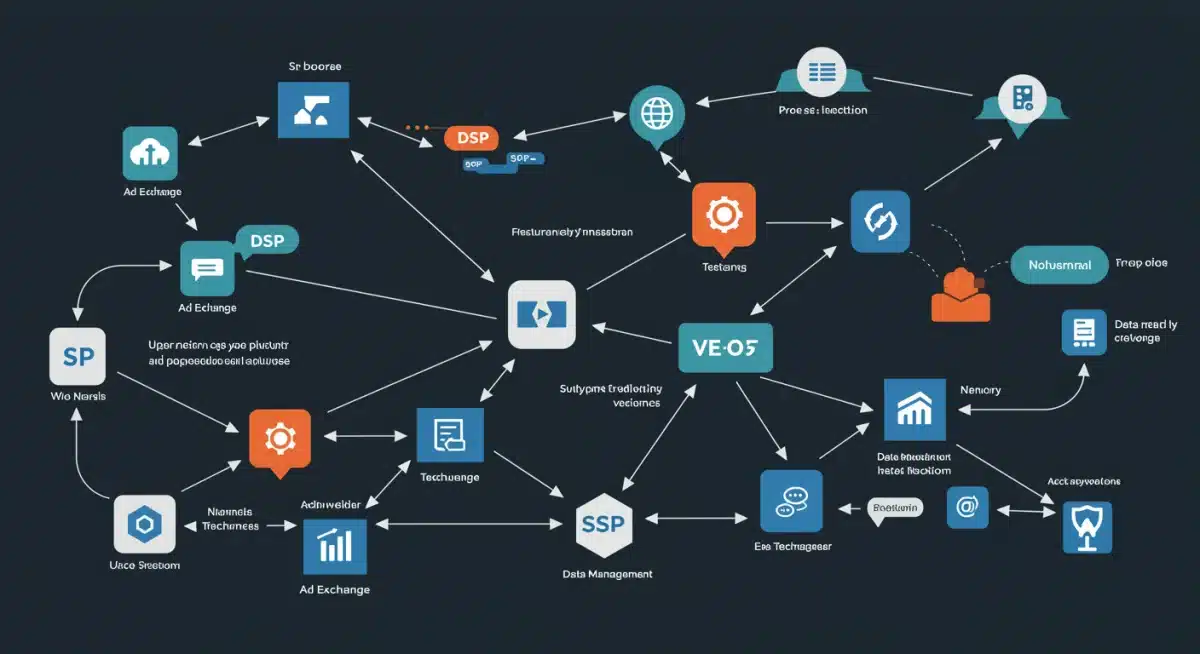
The RTB ecosystem involves several key players:
- Demand-Side Platforms (DSPs): These are software platforms used by advertisers to manage and optimize their programmatic ad campaigns. DSPs enable advertisers to bid on ad impressions across multiple ad exchanges, using data to target specific audiences.
- Supply-Side Platforms (SSPs): These platforms are used by publishers to manage their ad inventory and facilitate its sale to advertisers. SSPs connect publishers to multiple ad exchanges and DSPs, maximizing their revenue.
- Ad Exchanges: These are digital marketplaces where publishers and advertisers buy and sell ad inventory through real-time auctions. Ad exchanges are the central nervous system of the RTB process.
- Data Management Platforms (DMPs): DMPs collect, organize, and activate audience data from various sources (first-party, second-party, and third-party). This data is crucial for DSPs to make informed bidding decisions, enabling precise targeting.
When a user visits a webpage, an ad request is sent to an SSP. The SSP then sends this request, along with user data (anonymized, of course), to multiple ad exchanges. These exchanges forward the request to various DSPs, which then evaluate the impression based on the advertiser’s campaign goals, budget, and targeting criteria. The DSPs submit their bids, and the highest bidder wins the impression. The winning ad is then displayed to the user. This entire sequence is remarkably fast, ensuring a seamless user experience while providing advertisers with unparalleled targeting capabilities.
The Evolution of Programmatic Advertising and RTB’s Role
Programmatic advertising has evolved significantly since its inception, moving from basic automated buying to highly sophisticated, data-driven strategies. RTB is a fundamental component of this evolution, allowing for granular control over ad placements and audience targeting. Early programmatic efforts often involved direct deals and private marketplaces, but RTB opened the floodgates to a truly open and competitive ad buying environment.
The shift towards RTB was driven by the need for greater efficiency, transparency, and effectiveness in digital advertising. Advertisers sought ways to move beyond broad targeting and reach specific segments of their audience with personalized messages. Publishers, on the other hand, aimed to maximize the value of their inventory by selling it to the highest bidder in real-time. RTB provided the perfect solution, fostering a dynamic marketplace where value is determined by demand and data.
Looking ahead to 2026, programmatic advertising, powered by advanced real-time bidding strategies, will continue to dominate the digital ad spend. The integration of artificial intelligence (AI) and machine learning (ML) further refines RTB algorithms, enabling predictive bidding, advanced fraud detection, and hyper-personalization at scale. This continuous innovation underlines the importance of mastering these technologies to stay competitive and achieve ambitious ROI targets.
Key Benefits of Implementing Real-Time Bidding Strategies
Implementing effective real-time bidding strategies offers a multitude of benefits that can significantly impact the success of ad campaigns and contribute to that coveted 15% ROI boost by 2026.
Enhanced Targeting and Personalization
One of the most compelling advantages of RTB is its ability to facilitate highly precise targeting. Advertisers can leverage vast amounts of data – demographics, interests, browsing behavior, purchase history, and even real-time context – to identify and bid on impressions that are most likely to convert. This level of granularity ensures that ads are shown to the most relevant audience segments, drastically reducing wasted impressions and improving campaign effectiveness. Personalization, driven by this data, allows for the delivery of tailored ad creatives that resonate more deeply with individual users, leading to higher engagement rates.
Improved Efficiency and Cost-Effectiveness
RTB automates the ad buying process, eliminating the need for manual negotiations and placements. This automation not only saves time but also significantly reduces operational costs. By bidding in real-time, advertisers pay only for the impressions they win, and the price is determined by competitive auction dynamics, ensuring a fair market value. Unlike traditional methods where advertisers might pay a fixed price for a bundle of impressions, many of which may not be relevant, RTB ensures that every dollar spent is on an impression with high potential value. This efficiency is critical for optimizing budgets and maximizing ROI.
Greater Campaign Control and Flexibility
RTB platforms provide advertisers with unparalleled control over their campaigns. They can set specific bidding rules, adjust budgets in real-time, pause or launch campaigns instantly, and modify targeting parameters on the fly. This flexibility allows marketers to react quickly to market changes, optimize performance based on real-time data, and fine-tune their strategies to achieve specific goals. The ability to A/B test various creatives, landing pages, and bidding strategies with immediate feedback is a game-changer for continuous optimization.
Real-Time Data and Analytics
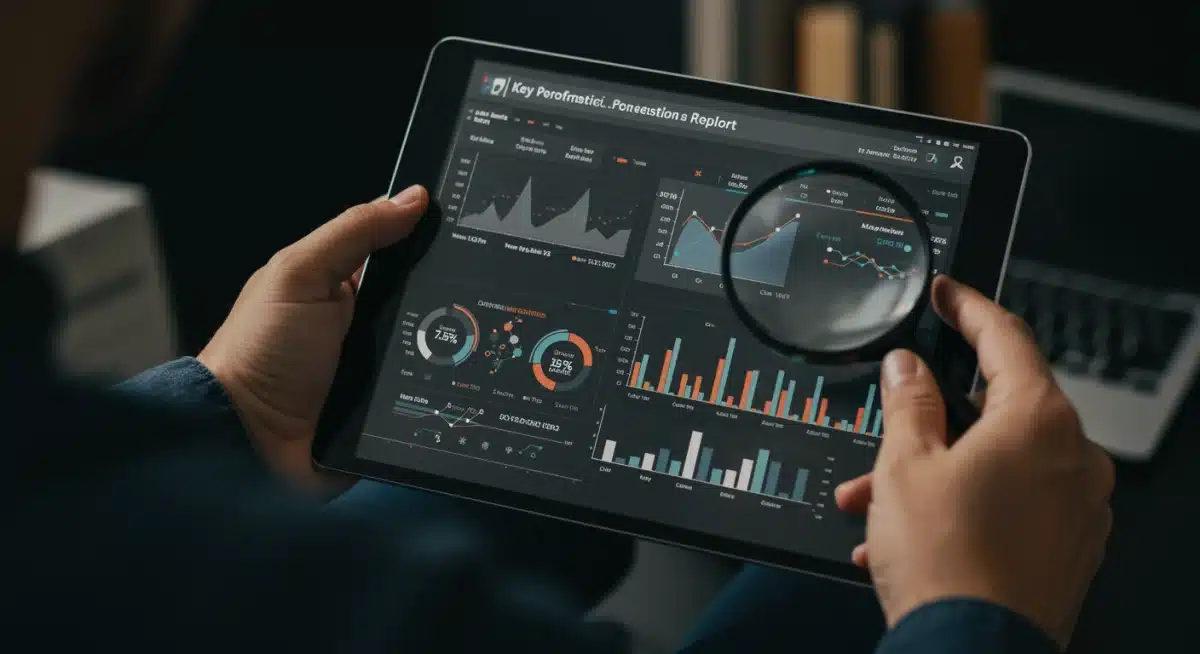
The real-time nature of RTB extends to data collection and reporting. Advertisers gain immediate access to comprehensive performance metrics, including impressions, clicks, conversions, cost per click (CPC), cost per acquisition (CPA), and return on ad spend (ROAS). This instant feedback loop is invaluable for understanding campaign performance, identifying trends, and making data-driven adjustments to improve results. The transparency offered by RTB platforms empowers marketers to analyze every aspect of their campaigns and optimize for maximum impact.
Access to a Wider Range of Inventory
Through ad exchanges, RTB provides advertisers access to a vast and diverse pool of ad inventory across numerous websites, apps, and devices. This broad reach enables advertisers to find their target audience wherever they may be online, increasing the potential for impressions and conversions. It also allows for diversification of ad placements, reducing reliance on a few premium publishers and exploring new, potentially valuable, inventory sources.
Advanced Real-Time Bidding Strategies for 2026
To truly achieve a 15% ROI boost by 2026, advertisers must move beyond basic RTB implementation and embrace advanced strategies that leverage the full power of programmatic advertising.
Predictive Bidding with AI and Machine Learning
The future of real-time bidding is inextricably linked with AI and machine learning. Predictive bidding algorithms analyze historical data, real-time signals, and external factors (like weather, news, or competitor activity) to forecast the likelihood of an impression leading to a conversion. These algorithms can then automatically adjust bids to maximize the probability of winning valuable impressions at the optimal price. This moves beyond reactive optimization to proactive, data-driven decision-making, significantly enhancing campaign performance.
Audience Segmentation and Lookalike Modeling
While basic demographic targeting is a start, advanced RTB strategies involve sophisticated audience segmentation. This means creating highly specific audience segments based on detailed behavioral patterns, psychographics, and intent signals. Furthermore, leveraging lookalike modeling allows advertisers to find new audiences that share characteristics with their existing high-value customers, expanding reach while maintaining relevance and efficiency. Integrating first-party data (from CRM, website analytics) with third-party data enriches these segments, making targeting even more precise.
Cross-Device and Omnichannel Strategies
Consumers interact with brands across multiple devices and channels throughout their day. Effective real-time bidding strategies for 2026 will prioritize a cross-device and omnichannel approach. This involves tracking user journeys across smartphones, tablets, desktops, and even connected TV (CTV) to deliver a consistent and cohesive ad experience. By understanding the full path to conversion, advertisers can optimize bids and ad placements across different touchpoints, ensuring that each interaction contributes to the overall campaign goal. Identity resolution technologies play a crucial role in stitching together these disparate data points.
Contextual Targeting with Semantic Analysis
While audience data is paramount, contextual targeting is experiencing a resurgence, especially in a privacy-conscious world. Advanced RTB platforms now integrate semantic analysis to understand the true meaning and sentiment of webpage content. This allows advertisers to place ads next to highly relevant content, even without relying heavily on individual user data. For example, an ad for running shoes would appear on an article about marathon training, regardless of the user’s browsing history. This strategy enhances ad relevance and can improve brand safety.
Dynamic Creative Optimization (DCO)
Personalization goes beyond just targeting; it extends to the ad creative itself. Dynamic Creative Optimization (DCO) uses data to automatically generate and serve personalized ad variations to individual users in real-time. This means different headlines, images, calls-to-action, or even product recommendations can be dynamically assembled based on the user’s profile, browsing history, or the specific context of the ad placement. DCO significantly boosts engagement and conversion rates by making ads more relevant and compelling.
Bid Shading and Floor Optimization
For publishers, bid shading and floor optimization are critical. Bid shading, often implemented by DSPs, aims to pay the lowest possible price for an impression while still winning the auction. This means bidding slightly above the second-highest bid, rather than the maximum bid. For publishers, setting optimal price floors (the minimum price they are willing to accept for an impression) is essential to maximize revenue without losing too many impressions. Advanced RTB platforms use machine learning to dynamically adjust these floors based on historical data and real-time demand.
Measuring and Optimizing RTB Performance for 15% ROI
Achieving a 15% ROI boost with real-time bidding requires continuous measurement, analysis, and optimization. It’s not a set-it-and-forget-it process but an iterative cycle of learning and refinement.
Defining Clear KPIs and Attribution Models
Before launching any RTB campaign, it’s crucial to define clear Key Performance Indicators (KPIs) that align with your business objectives. These might include conversion rates, cost per acquisition (CPA), return on ad spend (ROAS), customer lifetime value (CLTV), or brand lift metrics. Equally important is establishing robust attribution models. Given the complex, multi-touchpoint nature of digital journeys, single-touch attribution models are often insufficient. Multi-touch attribution models (e.g., linear, time decay, position-based, or data-driven) provide a more holistic view of which ad interactions contribute to a conversion, allowing for more accurate budget allocation and optimization of real-time bidding strategies.
A/B Testing and Experimentation
The dynamic nature of RTB makes it an ideal environment for A/B testing. Experiment with different ad creatives, landing pages, bidding strategies (e.g., target CPA, maximize conversions), audience segments, and even ad formats. Run tests systematically, analyze the results, and implement learnings to continuously improve campaign performance. Small, incremental optimizations across various campaign elements can collectively lead to significant ROI improvements over time.
Fraud Detection and Brand Safety
Ad fraud remains a persistent challenge in the programmatic landscape. Implementing robust fraud detection solutions is paramount to ensure that your ad spend is reaching real human audiences and not bots or fraudulent publishers. Similarly, brand safety measures are crucial to prevent your ads from appearing alongside inappropriate or harmful content. Many DSPs and third-party verification tools offer advanced capabilities in these areas, and integrating them into your RTB strategy is non-negotiable for protecting your brand and your budget.
Leveraging First-Party Data
First-party data, collected directly from your customers and website visitors, is your most valuable asset. It’s unique, highly relevant, and often provides the deepest insights into customer behavior and intent. Integrate your CRM data, website analytics, and other proprietary data sources into your DMP to enrich your audience segments and inform your real-time bidding strategies. This allows for hyper-personalized targeting and retargeting efforts that consistently outperform campaigns relying solely on third-party data.
Continuous Monitoring and Optimization
Real-time bidding demands real-time monitoring. Regularly review campaign performance metrics, identify underperforming segments or placements, and make immediate adjustments. This might involve reallocating budget, refining targeting parameters, adjusting bid caps, or refreshing ad creatives. Automation rules can be set up within DSPs to trigger specific actions based on predefined performance thresholds, ensuring that campaigns are always optimized, even when you’re not actively monitoring them.
Budget Allocation and Pacing
Effectively managing budget allocation and pacing is crucial for maximizing ROI. RTB platforms allow for flexible budget management, enabling advertisers to distribute spend across different campaigns, audience segments, or even time of day. Advanced pacing algorithms ensure that your budget is spent strategically throughout the campaign duration, preventing overspending early on or underspending towards the end. This ensures consistent ad delivery and optimal performance.
Challenges and Future Trends in Real-Time Bidding for 2026
While the prospects for RTB are bright, particularly concerning the 15% ROI boost, there are challenges and evolving trends that marketers must be aware of to navigate the landscape successfully towards 2026.
Privacy Regulations and Data Deprecation
The increasing focus on user privacy, exemplified by regulations like GDPR and CCPA, and the deprecation of third-party cookies by major browsers, pose significant challenges to traditional RTB targeting methods. Marketers must adapt by prioritizing first-party data strategies, exploring privacy-enhancing technologies, and embracing contextual targeting and consented data collection. The future of RTB will rely on innovative solutions that balance personalization with user privacy.
Rise of Connected TV (CTV) and Audio Programmatic
Beyond traditional display and video, RTB is rapidly expanding into new channels like Connected TV (CTV) and digital audio. These channels offer unique opportunities to reach engaged audiences in premium environments. Mastering RTB for CTV involves understanding household-level targeting, managing frequency across devices, and leveraging new measurement methodologies. Similarly, programmatic audio offers brand-safe environments and highly engaged listeners, requiring distinct real-time bidding strategies tailored to audio formats.
Supply Path Optimization (SPO)
The programmatic supply chain can be complex, with multiple intermediaries between advertisers and publishers. Supply Path Optimization (SPO) is a crucial trend where advertisers work to streamline this path, reducing fees and increasing transparency. By identifying the most efficient routes to inventory, advertisers can reduce costs and gain better visibility into where their ads are being served, ultimately improving their ROI.
Enhanced Measurement and Attribution
As the programmatic ecosystem becomes more complex, the need for advanced measurement and attribution solutions grows. Marketers will increasingly rely on sophisticated tools that can connect disparate data points, measure the true incrementality of ad spend, and provide a holistic view of campaign performance across all channels. This includes integrating offline sales data with online ad data to get a complete picture of ROI.
Ethical AI in Bidding
As AI becomes more integral to real-time bidding, ethical considerations will come to the forefront. Ensuring that AI algorithms are fair, unbiased, and transparent will be critical. This includes preventing discriminatory targeting practices and ensuring that programmatic systems do not inadvertently reinforce societal biases. Responsible AI development will be a key differentiator for leading ad tech platforms.
Conclusion: Seizing the 15% ROI Opportunity with Real-Time Bidding
The digital advertising landscape of 2026 will be characterized by unprecedented precision, automation, and data-driven intelligence, with Real-Time Bidding at its very core. For businesses aspiring to achieve a significant 15% boost in ROI, mastering advanced real-time bidding strategies is not merely a competitive advantage—it’s a strategic imperative. By understanding the mechanics of RTB, embracing sophisticated targeting and optimization techniques, and staying abreast of emerging trends, marketers can unlock the full potential of programmatic advertising.
The journey involves a commitment to continuous learning, experimentation, and adaptation. It means leveraging AI and machine learning to predict outcomes, personalizing every ad interaction through DCO, and meticulously analyzing performance data to refine strategies. It also means navigating the evolving privacy landscape with ethical data practices and expanding RTB efforts into new, high-growth channels like CTV and audio.
The promise of a 15% ROI increase by 2026 is within reach for those who are prepared to invest in the knowledge, technology, and strategic foresight required to excel in the dynamic world of Real-Time Bidding. By making RTB the cornerstone of your digital ad campaigns, you’re not just buying impressions; you’re investing in intelligent, efficient, and highly effective advertising that drives measurable business growth.