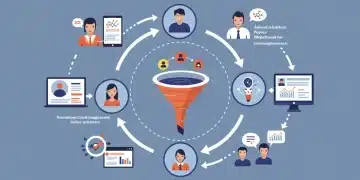
Customer Retention Strategies 2026: Reduce Churn & Boost Sales

4 Customer Retention Strategies for 2026: Reduce Churn by 10% and Drive Repeat Sales
In the rapidly evolving business landscape, acquiring new customers is often lauded as the holy grail of growth. However, smart businesses understand that the true secret to sustainable success lies not just in acquisition, but in robust customer retention strategies. As we look towards 2026, the imperative to keep existing customers engaged, satisfied, and loyal is more critical than ever. With increasing competition and rising customer acquisition costs, a mere 5% increase in customer retention can boost profits by 25% to 95%. This isn’t just a statistic; it’s a call to action for every business aiming to thrive.
This comprehensive guide will delve into four pivotal customer retention strategies designed to help your business reduce churn by at least 10% and significantly drive repeat sales by 2026. We’ll explore actionable insights, cutting-edge approaches, and best practices that will empower you to build lasting relationships with your customer base. From hyper-personalization to proactive customer service, each strategy is meticulously crafted to address the modern customer’s expectations and secure your market position.
Understanding the ‘Why’ Behind Customer Retention Strategies
Before we dive into the ‘how,’ it’s crucial to grasp the fundamental importance of effective customer retention strategies. In today’s digital age, customers have more choices and information at their fingertips than ever before. This means their loyalty is earned, not given. High churn rates can silently erode your profits, negate your marketing efforts, and ultimately hinder your growth trajectory. Conversely, a strong focus on retention transforms your existing customers into powerful advocates, providing invaluable word-of-mouth marketing and a stable revenue stream.
The Cost of Customer Churn
The cost of acquiring a new customer is, on average, five times higher than retaining an existing one. When a customer leaves, it’s not just the loss of their future purchases; it’s also the loss of potential referrals, valuable feedback, and the negative impact their departure might have on your brand’s reputation. Understanding these hidden costs underscores why customer retention strategies should be at the forefront of your business planning for 2026 and beyond.
The Benefits of High Customer Lifetime Value (CLTV)
Retained customers tend to spend more over time, purchase more frequently, and are less price-sensitive. This phenomenon, known as Customer Lifetime Value (CLTV), is a critical metric for business sustainability. By focusing on improving CLTV through robust customer retention strategies, you’re not just securing current revenue; you’re investing in the long-term profitability and resilience of your enterprise. Loyal customers are also more forgiving of occasional missteps, providing an invaluable buffer in a competitive market.
Strategy 1: Hyper-Personalization Across All Touchpoints
In a world saturated with generic marketing messages, hyper-personalization stands out as a cornerstone of modern customer retention strategies. This goes beyond merely addressing a customer by their first name in an email. It involves leveraging data to understand individual preferences, behaviors, and needs, then tailoring every interaction to create a uniquely relevant and valuable experience.
Collecting and Analyzing Customer Data
The foundation of hyper-personalization is robust data collection and analysis. This includes purchase history, browsing behavior, demographic information, interaction history with customer service, and even social media engagement. Tools like CRM systems, analytics platforms, and AI-powered recommendation engines are indispensable for gathering and interpreting this vast amount of information. The goal is to create a 360-degree view of each customer, allowing you to anticipate their needs and offer solutions before they even realize they need them.
Tailoring Communication and Offers
Once you have a deep understanding of your customers, you can personalize communications. This means sending targeted emails with product recommendations based on past purchases, offering exclusive discounts on items they’ve browsed, or even customizing website content when they return. For instance, an e-commerce site might show recently viewed items on the homepage, or a SaaS company might offer tutorials relevant to features a user frequently engages with. This level of tailored interaction makes customers feel valued and understood, significantly boosting their loyalty and reducing the likelihood of churn.
Personalized Product/Service Recommendations
AI and machine learning are revolutionizing product and service recommendations. These technologies can analyze complex patterns in customer data to suggest items or services that are highly likely to appeal to an individual. Think of the sophisticated recommendation engines used by streaming services or online retailers. Implementing similar capabilities, even on a smaller scale, can dramatically enhance the customer experience and drive repeat purchases. These intelligent recommendations are a powerful component of effective customer retention strategies.
Strategy 2: Proactive and Exceptional Customer Service
Customer service is no longer just about resolving issues; it’s about anticipating needs, providing timely support, and creating delightful experiences. Proactive and exceptional customer service is a non-negotiable element of effective customer retention strategies in 2026. It transforms potential pain points into opportunities to strengthen customer relationships.
Anticipating Customer Needs with AI and Data
Leveraging AI for predictive analytics can help identify customers who might be at risk of churning before they even show signs of dissatisfaction. For example, if a SaaS user hasn’t logged in for a while or isn’t using key features, an automated system could trigger a personalized email offering assistance or highlighting new functionalities. Similarly, for physical products, proactive communication about maintenance tips or upcoming software updates can prevent issues and demonstrate care. This foresight is a hallmark of superior customer retention strategies.
Multi-Channel Support and Rapid Resolution
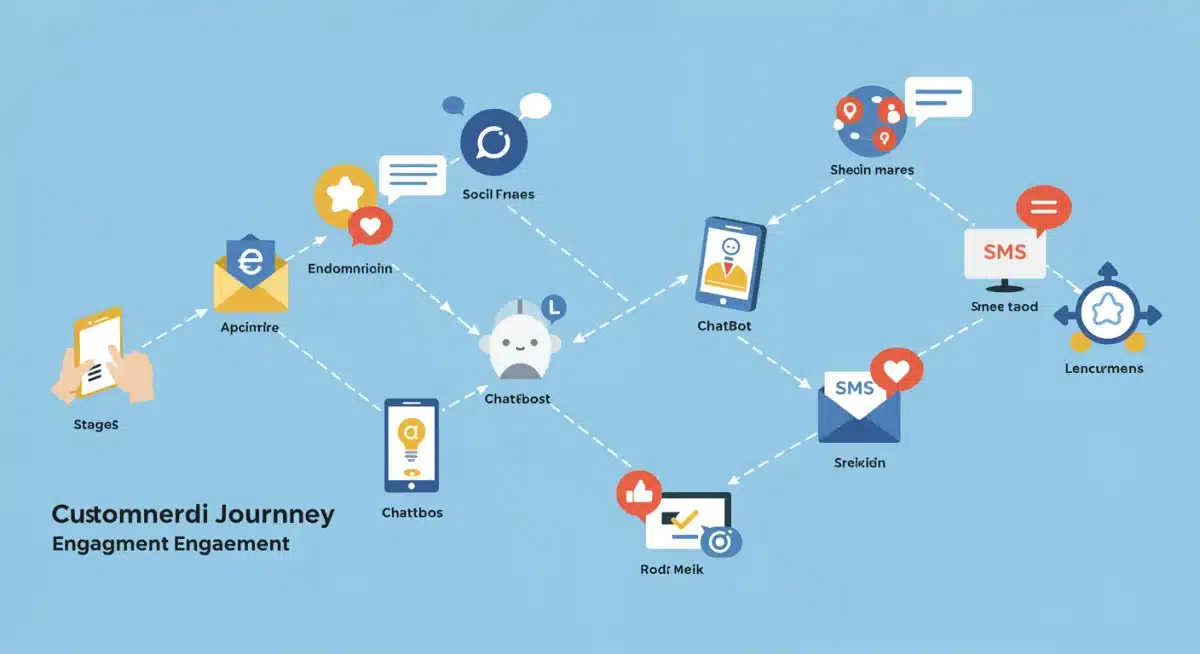
Customers expect to reach you through their preferred channels, whether it’s live chat, email, phone, social media, or even messaging apps. Providing seamless, integrated multi-channel support ensures they can get help quickly and conveniently. More importantly, rapid and effective resolution of issues is paramount. A negative customer service experience is a leading cause of churn. Investing in well-trained support staff and efficient ticketing systems can make a significant difference in customer satisfaction and loyalty.
Empowering Self-Service Options
Many customers prefer to find answers themselves. Comprehensive FAQs, detailed knowledge bases, video tutorials, and AI-powered chatbots can empower customers to resolve common issues independently. This not only improves customer satisfaction by providing instant solutions but also frees up your support team to handle more complex inquiries. Self-service is a critical, often underestimated, component of modern customer retention strategies.
Strategy 3: Building a Strong Community and Emotional Connection
Beyond transactions, customers seek connection. Building a strong community around your brand and fostering emotional ties can create an almost unbreakable bond, making this one of the most powerful customer retention strategies. When customers feel part of something larger, they are far less likely to leave.
Creating Exclusive Customer Communities
Online forums, private social media groups, or dedicated apps can serve as platforms for customers to connect with each other and with your brand. These communities provide a space for sharing tips, asking questions, offering feedback, and celebrating successes. When customers feel heard and valued within a community, their sense of belonging to your brand deepens. This also provides invaluable insights into their needs and preferences, which can inform product development and service improvements.
Loyalty Programs with Real Value
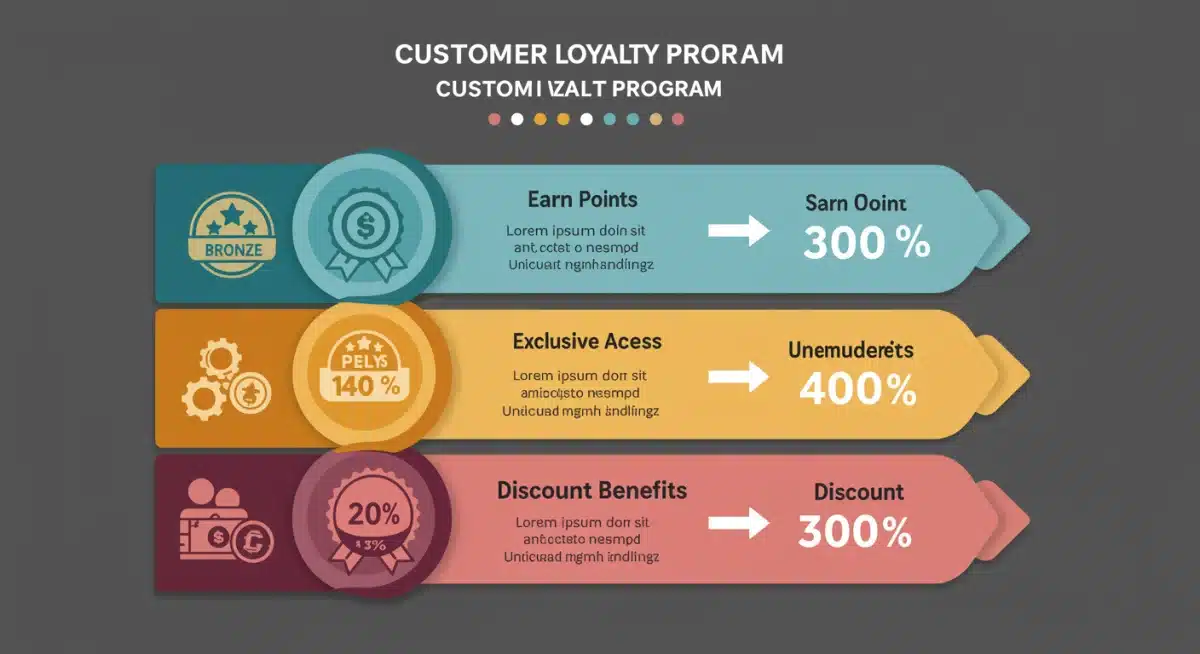
Effective loyalty programs go beyond simple points systems. They offer genuine value that resonates with your customer base. This could include exclusive access to new products or features, early bird discounts, premium content, personalized gifts, or even invitations to special events. The key is to make customers feel like VIPs and to continuously evolve the program to keep it fresh and appealing. A well-designed loyalty program is a cornerstone of robust customer retention strategies.
Storytelling and Brand Values Alignment
Customers are increasingly drawn to brands that stand for something. Sharing your brand’s story, its mission, and its values can create a powerful emotional connection. Whether it’s a commitment to sustainability, ethical sourcing, or community involvement, transparently communicating your values helps customers align themselves with your brand on a deeper level. This emotional resonance fosters loyalty that transcends mere product features or price points.
Strategy 4: Continuous Feedback Loops and Iterative Improvement
The best customer retention strategies are not static; they are dynamic and constantly evolving. This requires establishing continuous feedback loops to understand what’s working, what’s not, and where improvements can be made. Listening to your customers is not just good practice; it’s essential for long-term survival and growth.
Implementing Robust Feedback Mechanisms
There are numerous ways to gather customer feedback: surveys (NPS, CSAT, CES), in-app feedback forms, user testing, social media monitoring, and direct conversations with customer service. The goal is to make it easy and convenient for customers to share their thoughts and experiences. Crucially, feedback should be collected at various stages of the customer journey, from onboarding to post-purchase. This holistic approach provides a comprehensive view of customer sentiment.
Acting on Feedback and Demonstrating Change
Collecting feedback is only half the battle; the real value comes from acting on it. Analyze the data to identify recurring themes, pain points, and opportunities for improvement. Then, implement changes based on these insights. Just as important as making changes is communicating those changes back to your customers. Show them that their voice matters and that their feedback directly influences your product or service. This transparency builds trust and reinforces their loyalty, making it a vital part of your customer retention strategies.
A/B Testing and Optimization of Customer Journeys
Continuously test different approaches to customer engagement, onboarding, and support. A/B test email subject lines, website layouts, feature placements, and even the language used in customer service interactions. Use data from these tests to optimize the customer journey, making it smoother, more intuitive, and more satisfying. Iterative improvement based on data-driven insights ensures that your customer retention strategies remain effective and responsive to changing customer expectations.
Measuring Success: Key Metrics for Customer Retention Strategies
To ensure your customer retention strategies are yielding the desired results, it’s essential to track key performance indicators (KPIs). Monitoring these metrics will provide valuable insights into the effectiveness of your efforts and help you identify areas for further optimization.
Customer Churn Rate
This is arguably the most critical metric. It measures the percentage of customers who stop using your product or service over a given period. Your goal should be to continuously drive this number down. A reduction of 10% by 2026, as targeted, would signify a massive success.
Customer Lifetime Value (CLTV)
As discussed, CLTV represents the total revenue a business can reasonably expect from a single customer account over their relationship with the company. Increasing CLTV is a direct indicator of successful retention efforts.
Repeat Purchase Rate
For businesses with transactional models (e-commerce, retail), the repeat purchase rate measures the percentage of customers who return to make additional purchases. A higher rate indicates strong brand loyalty and effective engagement.
Net Promoter Score (NPS)
NPS measures customer loyalty and willingness to recommend your product or service to others. It’s a strong predictor of future growth and a good gauge of overall customer satisfaction, which underpins all customer retention strategies.
Customer Satisfaction Score (CSAT) and Customer Effort Score (CES)
CSAT measures how satisfied customers are with a specific interaction or overall experience, while CES measures how much effort a customer had to exert to get an issue resolved or a request fulfilled. High CSAT and low CES scores are indicative of excellent customer service, a crucial element of retention.
Implementing Your 2026 Customer Retention Strategies: A Roadmap
Successfully implementing these customer retention strategies requires a structured approach. Here’s a roadmap to guide your efforts:
- Assess Your Current State: Begin by analyzing your current churn rate, CLTV, and customer feedback. Understand your strengths and weaknesses in customer retention.
- Define Clear Goals: Set specific, measurable, achievable, relevant, and time-bound (SMART) goals, such as reducing churn by 10% by Q4 2026.
- Invest in Technology: Acquire or upgrade CRM systems, analytics tools, personalization engines, and customer service platforms to support your strategies.
- Train Your Team: Ensure your customer service, marketing, and sales teams are all aligned with the retention goals and equipped with the necessary skills and tools.
- Start Small, Scale Up: Don’t try to implement everything at once. Pick one or two strategies, pilot them, measure their impact, and then gradually expand.
- Communicate Internally and Externally: Keep your team informed about progress and celebrate successes. Transparently communicate improvements to your customers.
- Continuously Monitor and Adapt: Customer expectations and market conditions change. Regularly review your KPIs and be prepared to adapt your strategies accordingly.
The Future of Customer Retention: Beyond 2026
As we advance beyond 2026, the principles of effective customer retention strategies will remain rooted in understanding and valuing the customer. However, the tools and techniques will continue to evolve. Expect further advancements in AI and machine learning, enabling even more sophisticated personalization and predictive analytics. The rise of immersive technologies like VR and AR may also open new avenues for engaging customers and building unique brand experiences.
The emphasis on ethical data usage and privacy will also intensify. Brands that build trust through transparent data practices and offer customers control over their information will gain a significant competitive advantage. Ultimately, the future of customer retention belongs to businesses that prioritize genuine human connection, even as they leverage cutting-edge technology.
Conclusion: Secure Your Future with Strong Customer Retention Strategies
In conclusion, focusing on robust customer retention strategies is not merely an optional add-on; it’s a fundamental pillar of sustainable business growth. By embracing hyper-personalization, delivering proactive and exceptional customer service, building strong communities, and committing to continuous feedback and improvement, your business can significantly reduce churn by 10% and drive repeat sales by 2026.
These strategies transform customers from transient transactions into loyal advocates, creating a virtuous cycle of growth, profitability, and brand resilience. The investment in these areas will pay dividends for years to come, securing your place in a competitive market and building a foundation for enduring success. Start implementing these crucial customer retention strategies today and watch your business flourish.