Launch a Profitable US E-commerce Venture in 3 Months: Your 2026 Blueprint

The dawn of 2026 presents an opportune moment for entrepreneurs looking to establish a strong foothold in the dynamic U.S. e-commerce landscape. With consumer behaviors continually evolving and digital adoption accelerating, launching a profitable U.S. e-commerce venture requires meticulous planning, strategic execution, and a clear understanding of market nuances. This comprehensive guide outlines a pragmatic 3-month blueprint designed to help you navigate the complexities and successfully launch your US e-commerce venture by early 2026. From initial ideation to the grand opening and beyond, we’ll cover every critical step to ensure your online business is not just launched, but positioned for sustainable profitability and growth.
Understanding the US E-commerce Landscape in 2026
Before diving into the tactical aspects of launching your US e-commerce venture, it’s crucial to grasp the prevailing trends and consumer expectations in the U.S. market as we approach 2026. The American e-commerce sector is characterized by its vastness, diversity, and rapid innovation. Key trends include:
- Mobile Commerce Dominance: A significant portion of online shopping now occurs via mobile devices. Your e-commerce platform must be mobile-first and offer a seamless user experience across all screen sizes.
- Personalization: Consumers expect highly personalized shopping experiences, from product recommendations to tailored marketing communications. Leveraging AI and data analytics for personalization is no longer a luxury but a necessity.
- Sustainable and Ethical Sourcing: A growing segment of U.S. consumers prioritizes brands with strong ethical and sustainable practices. Transparency in your supply chain and commitment to environmental responsibility can be a significant differentiator.
- Seamless Omnichannel Experience: While primarily an online venture, consider how your brand might integrate with physical touchpoints or provide a cohesive experience if customers interact with your brand offline (e.g., through pop-up shops, local pickup options).
- Expedited Shipping and Returns: Amazon has set a high bar for fast and free shipping. While challenging for new businesses, offering competitive shipping options and a clear, hassle-free return policy is paramount for customer satisfaction and retention.
- Social Commerce Integration: Selling directly through social media platforms (e.g., Instagram Shopping, TikTok Shop) is gaining traction. Integrating social commerce into your strategy can unlock new customer acquisition channels.
By understanding these dynamics, you can better tailor your product offerings, marketing strategies, and operational setup to resonate with the target audience and stand out in a crowded market. A successful US e-commerce launch hinges on this foundational knowledge.
Month 1: Foundation & Market Validation for Your US E-commerce Launch
The first month of your 3-month blueprint is dedicated to laying a solid foundation for your US e-commerce venture. This involves intensive research, niche identification, and legal setup.
Week 1-2: Niche Identification & Market Research
The cornerstone of a profitable US e-commerce venture is selecting the right niche. Avoid the temptation to be everything to everyone. A focused niche allows for targeted marketing, reduced competition, and a clearer value proposition.
- Identify Your Passion & Expertise: What are you genuinely interested in or knowledgeable about? Starting with something you care about makes the journey more enjoyable and sustainable.
- Analyze Market Demand: Use tools like Google Trends, Keyword Planner, and Amazon Best Sellers to identify products with high demand and growing interest. Look for gaps in the market that your product or service can fill.
- Evaluate Competition: Who are your direct and indirect competitors? Analyze their strengths, weaknesses, pricing strategies, and customer reviews. What can you do better or differently?
- Define Your Ideal Customer (Buyer Persona): Create detailed profiles of your target customers, including demographics, psychographics, pain points, and purchasing habits. This will inform your product development, marketing, and messaging.
- Validate Your Idea: Before investing heavily, validate your product idea. This could involve surveys, small-scale social media polls, pre-sales, or even launching a minimum viable product (MVP) to gauge interest.
Week 3-4: Business Planning & Legal Setup
Once your niche is validated, it’s time to formalize your business structure and handle the necessary legalities for your US e-commerce launch.
- Develop a Business Plan: Even for a lean startup, a concise business plan is invaluable. It should cover your executive summary, company description, market analysis, organization and management, service or product line, marketing and sales strategy, funding request (if applicable), and financial projections. This plan will serve as your roadmap.
- Choose a Business Structure: Decide whether to operate as a Sole Proprietorship, LLC, S-Corp, or C-Corp. An LLC (Limited Liability Company) is often recommended for e-commerce businesses due to its liability protection and flexibility. Consult with a legal professional to make the best choice for your specific situation.
- Register Your Business: Register your business name with the appropriate state authorities. Obtain an Employer Identification Number (EIN) from the IRS, which is essential for tax purposes and opening a business bank account.
- Obtain Necessary Licenses and Permits: Research federal, state, and local licenses and permits required for your specific product type and location. This can vary widely depending on what you sell.
- Open a Business Bank Account: Separate your personal and business finances from day one. This simplifies accounting, tax preparation, and presents a more professional image.
- Set Up Accounting Software: Implement accounting software (e.g., QuickBooks, Xero) to track income, expenses, and manage finances efficiently.
This foundational work in Month 1 is critical for building a robust and legally compliant framework for your US e-commerce venture.

Month 2: Development & Setup for Your US E-commerce Venture
With your foundation firmly in place, Month 2 shifts focus to building your online store, sourcing products, and establishing your brand identity. This is where your US e-commerce venture starts to take tangible form.
Week 5-6: Product Sourcing & Supply Chain
Your product is the heart of your US e-commerce venture. Efficient sourcing and a reliable supply chain are paramount.
- Source Your Products:
- Dropshipping: A popular model for new e-commerce businesses due to low startup costs and no inventory management. Research reliable dropshipping suppliers (e.g., AliExpress, SaleHoo, Doba).
- Wholesale: Purchase products in bulk from manufacturers or distributors at a lower cost, then sell them at retail price. Requires inventory management.
- Manufacturing Your Own Products: If you have a unique product idea, you might manufacture it yourself or work with a contract manufacturer.
- Print-on-Demand: Ideal for custom apparel, accessories, and home goods. Services like Printful or Printify handle printing and shipping.
- Establish Supplier Relationships: Build strong relationships with your chosen suppliers. Negotiate terms, understand lead times, and ensure product quality.
- Inventory Management (if applicable): If you’re holding inventory, determine how you will store, track, and manage it. Consider third-party logistics (3PL) providers if you anticipate high volume.
- Shipping & Fulfillment Strategy: Research shipping carriers (USPS, FedEx, UPS) and their rates. Decide on your shipping policy (free shipping, flat rate, calculated rates). Consider using fulfillment services for efficiency.
Week 7-8: E-commerce Platform Selection & Store Setup
Choosing the right e-commerce platform is critical for the functionality and scalability of your US e-commerce venture.
- Select an E-commerce Platform:
- Shopify: User-friendly, all-in-one solution, excellent for beginners and scalable. Offers a wide range of apps and themes.
- WooCommerce: A plugin for WordPress, offering immense flexibility and control, but requires more technical expertise.
- BigCommerce: Robust features, good for larger businesses, and strong SEO capabilities.
- Squarespace/Wix: Simpler, visually driven platforms, suitable for smaller stores with fewer products.
- Design Your Storefront: Choose a professional, responsive theme. Customize it to align with your brand’s aesthetics. Focus on user experience (UX) – easy navigation, clear product categories, and a streamlined checkout process.
- Add Products & Descriptions: Upload high-quality product images and write compelling, SEO-optimized product descriptions that highlight benefits and features. Include all necessary product variations (size, color, material).
- Set Up Payment Gateways: Integrate secure payment options like Stripe, PayPal, Apple Pay, and Google Pay. Ensure compliance with PCI DSS standards.
- Configure Shipping & Taxes: Accurately set up shipping zones, rates, and tax calculations based on U.S. regulations.
- Create Essential Pages: Develop pages for About Us, Contact Us, FAQ, Privacy Policy, Terms of Service, and Return/Refund Policy. These build trust and provide crucial information.
- Install Essential Apps/Plugins: Add functionalities like email marketing integration, customer review apps, live chat, and analytics tools.
Month 3: Launch, Marketing & Initial Scaling for Your US E-commerce Venture
The final month is about bringing your US e-commerce venture to life, attracting your first customers, and optimizing for growth.
Week 9-10: Pre-Launch Marketing & SEO
Don’t wait until launch day to start marketing. Build anticipation and ensure your store is discoverable.
- Search Engine Optimization (SEO):
- Keyword Research: Identify relevant keywords for your products and niche.
- On-Page SEO: Optimize product titles, descriptions, meta tags, and image alt text with keywords.
- Technical SEO: Ensure your site is fast, mobile-friendly, and has a clear site structure. Generate an XML sitemap and submit it to Google Search Console.
- Content Marketing: Start a blog related to your niche. Create valuable content that attracts potential customers and establishes your authority.
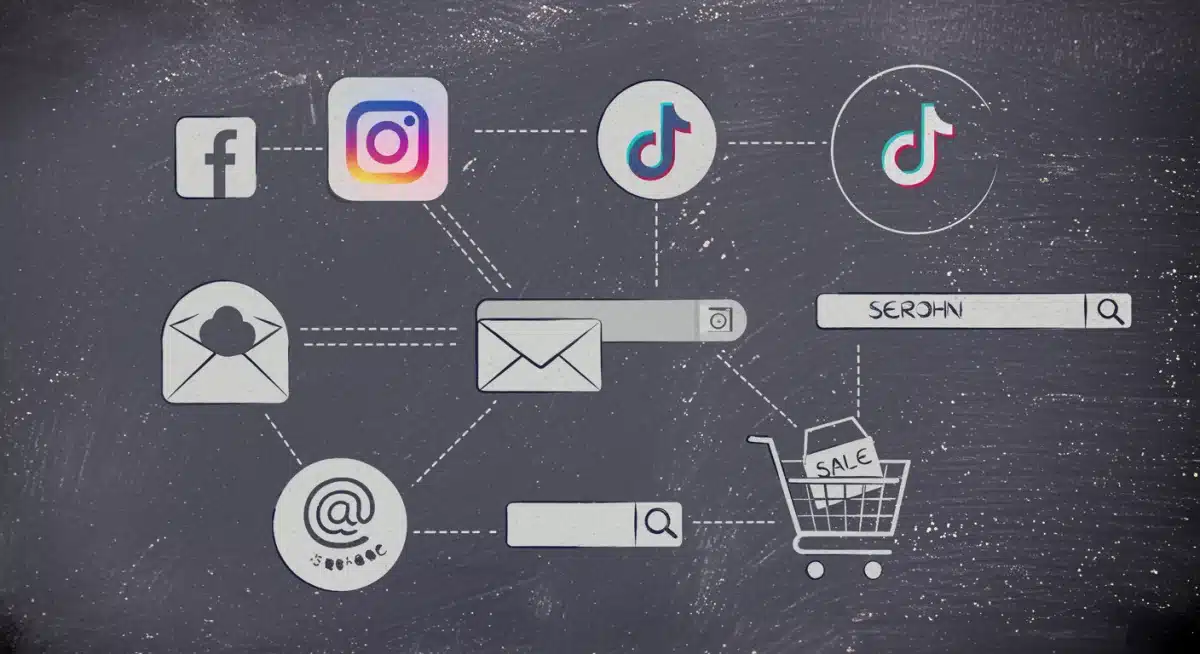
- Social Media Presence: Set up profiles on relevant platforms (Instagram, Facebook, Pinterest, TikTok). Start posting engaging content related to your products and brand story.
- Email Marketing Setup: Build an email list using lead magnets (e.g., discounts for signing up). Plan a pre-launch email sequence to announce your upcoming launch.
- Influencer Outreach (Optional): Identify micro-influencers in your niche and explore collaboration opportunities for pre-launch buzz.
- Prepare for Launch Day Promotions: Plan special offers, discounts, or bundles to incentivize early purchases.
Week 11-12: Launch & Post-Launch Optimization
The moment of truth for your US e-commerce venture has arrived! But the work doesn’t stop at launch.
- Official Launch: Announce your store’s opening across all your marketing channels. Run your planned promotions.
- Paid Advertising Campaigns:
- Google Ads: Target users actively searching for your products.
- Social Media Ads (Facebook, Instagram, TikTok Ads): Leverage precise targeting options to reach your ideal customer personas. Start with a modest budget and scale up as you see results.
- Customer Service Excellence: Be prepared to handle inquiries promptly and professionally. Implement live chat, email support, and a comprehensive FAQ section. Excellent customer service builds loyalty.
- Collect Customer Feedback & Reviews: Encourage customers to leave reviews. Positive reviews build social proof, while constructive feedback helps you improve.
- Monitor Analytics: Regularly check your e-commerce platform’s analytics and Google Analytics. Track key metrics like website traffic, conversion rate, average order value, and customer acquisition cost.
- Iterate & Optimize: Based on data and feedback, continuously optimize your website, product offerings, marketing campaigns, and customer experience. A/B test different elements to improve performance.
- Fulfill Orders Efficiently: Ensure a smooth order fulfillment process, from packing to shipping, and provide customers with tracking information.
Key Considerations for Long-Term Profitability of Your US E-commerce Venture
While the 3-month blueprint focuses on getting your US e-commerce venture off the ground, sustained profitability requires ongoing strategic effort.
Customer Retention Strategies
Acquiring new customers is often more expensive than retaining existing ones. Implement strategies to foster customer loyalty:
- Loyalty Programs: Reward repeat purchases with points, exclusive discounts, or early access to new products.
- Exceptional Post-Purchase Experience: Follow up with customers, offer personalized recommendations, and provide excellent support for any issues.
- Email Marketing & Segmentation: Send targeted campaigns based on purchase history, browsing behavior, and preferences.
- Community Building: Create a sense of community around your brand through social media groups or forums.
Scaling Your Operations
As your US e-commerce venture grows, your operations need to scale efficiently.
- Automate Processes: Look for opportunities to automate order processing, inventory updates, email marketing, and customer service responses.
- Expand Product Offerings: Introduce new products that align with your brand and customer demand.
- Diversify Marketing Channels: Explore new advertising platforms, affiliate marketing, or partnerships to reach a broader audience.
- Optimize Supply Chain: Continuously evaluate your suppliers and logistics partners to ensure efficiency and cost-effectiveness.
- Consider International Expansion: Once you’ve solidified your position in the U.S. market, explore selling to other countries.
Financial Management & Profit Optimization
Keeping a close eye on your financials is crucial for profitability.
- Monitor Key Performance Indicators (KPIs): Regularly track metrics like gross profit margin, net profit margin, customer lifetime value (CLTV), customer acquisition cost (CAC), and return on ad spend (ROAS).
- Cost Analysis: Periodically review all your costs – product costs, shipping, marketing, platform fees, etc. – and look for areas to optimize without compromising quality or customer experience.
- Pricing Strategy: Continuously evaluate and adjust your pricing based on market conditions, competitor analysis, and perceived value.
- Cash Flow Management: Ensure you have sufficient cash flow to cover operational expenses and invest in growth initiatives.
Common Pitfalls to Avoid in Your US E-commerce Launch
Launching a US e-commerce venture is exciting, but it comes with potential challenges. Being aware of common pitfalls can help you navigate them effectively:
- Ignoring Market Research: Skipping this crucial step can lead to launching products nobody wants or in a saturated market.
- Poor Website User Experience: A slow, confusing, or non-mobile-friendly website will drive customers away.
- Underestimating Marketing Budget: Expect to invest significantly in marketing to cut through the noise, especially in a competitive market like the U.S.
- Neglecting Customer Service: In today’s interconnected world, a single bad customer experience can severely damage your brand’s reputation.
- Inadequate Legal Compliance: Failing to comply with U.S. consumer laws, privacy regulations (e.g., CCPA), or tax requirements can lead to hefty fines and legal issues.
- Lack of Niche Focus: Trying to sell everything to everyone often results in appealing to no one.
- Poor Quality Products: Subpar products will lead to returns, negative reviews, and a damaged brand image.
- Overlooking Mobile Optimization: With the majority of online traffic coming from mobile devices, a non-responsive site is a significant disadvantage.
- Ignoring Data Analytics: Without tracking key metrics, you can’t understand what’s working, what’s not, and where to improve.
- Not Planning for Returns: A clear and fair return policy is essential for building customer trust and managing expectations.
Conclusion: Your Path to a Profitable US E-commerce Venture in 2026
Launching a profitable US e-commerce venture in early 2026 is an ambitious yet entirely achievable goal with the right strategy and execution. This 3-month blueprint provides a structured approach, guiding you from initial market validation and legal setup through store development, marketing, and initial scaling. By meticulously following each step, staying agile, and continuously learning from your data and customer feedback, you can build a resilient and successful online business. Remember, the e-commerce journey is continuous. The initial launch is just the beginning; sustained growth and profitability come from ongoing optimization, innovation, and an unwavering commitment to your customers. Embrace the opportunities the U.S. market offers, leverage the power of digital tools, and embark on your exciting e-commerce journey with confidence.